






The Ancient Roots of a Modern Star
Before it became a trending topic, ambali was the original breakfast of champions for farmers and labourers across South Indian states like Karnataka, Andhra Pradesh, and Telangana. Traditionally, it is a simple porridge or thin drink made by cooking
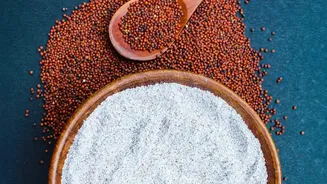
ragi (finger millet) flour into a paste and allowing it to ferment naturally overnight. This process gives it a characteristic mild tang and earthy flavour. For generations, this humble concoction provided sustained energy and crucial hydration under the hot sun, typically served savoury with buttermilk, salt, and finely chopped onions. It was functional food at its finest: inexpensive, nourishing, and perfectly adapted to the local climate and lifestyle.
A Natural Probiotic Powerhouse
The secret to ambali’s modern resurgence lies in one word: fermentation. This age-old technique transforms the simple millet drink into a rich source of natural probiotics—the beneficial live bacteria essential for a healthy digestive system. As the mixture ferments, it cultivates microorganisms that support the gut microbiome, which is linked to everything from better digestion and stronger immunity to improved mental health. Furthermore, the fermentation process breaks down compounds known as 'antinutrients' in the ragi, making its abundant minerals, especially calcium and iron, easier for the body to absorb. Ragi itself is a gluten-free superfood, celebrated as one of the richest plant-based sources of calcium, crucial for bone health.
From Village Kitchens to Urban Menus
So, how did a farmer's staple find its way into the chic, minimalist world of urban wellness cafes? The trend is fuelled by a global shift in consumer consciousness. Today, health-savvy city dwellers are actively seeking natural, functional foods and are increasingly interested in a 'back-to-roots' philosophy that values ancestral wisdom. Ambali perfectly fits this niche as a clean, plant-based, and gluten-free beverage with proven health benefits. Cafes in cities like Bengaluru, Hyderabad, and Mumbai are tapping into this by giving ambali a modern makeover, serving it chilled in stylish mason jars, infusing it with new flavours, or even blending it into smoothie bowls with contemporary toppings like chia seeds and fresh berries.
Beyond Ambali: India’s Fermented Bounty
The ambali trend is not an isolated phenomenon. It is part of a broader, welcome rediscovery of India’s vast heritage of fermented beverages. Across the country, similar traditional drinks are being recognized for their probiotic prowess. Think of North India’s kanji, a tangy, deep-purple drink made from fermented black carrots and mustard seeds, once a seasonal staple and now appearing on trendy bar menus. Or consider the universally loved chaas (spiced buttermilk), sol kadhi from the Konkan coast, and fermented rice water (koozh), all of which have supported gut health for centuries, long before 'probiotics' became a buzzword. This collective comeback signals a shift away from sugary, processed drinks toward appreciating the potent, climate-resilient ingredients from our own backyards.
The Future is Local
The growing popularity of ambali is more than a fleeting health fad; it represents a deeper cultural appreciation for sustainable, local food systems. It marks a turn towards the wisdom embedded in traditional Indian kitchens, where fermentation was used not just for preservation but to enhance nutritional value. As these drinks are reimagined for a new audience, they offer a taste of authenticity in a globalised world. By placing a drink like ambali next to a flat white on the menu, cafes are doing more than just selling a healthy product; they are helping to preserve a piece of India's rich culinary history, making it relevant and accessible for a new generation.