

The quest for a perfect breakfast often leads to complex choices. Yet, some of the best answers lie in tradition. Poha, upma, and dosa are more than just staples; they are nutritional powerhouses perfect for a wholesome morning boost.
What Makes a Breakfast 'Wholesome'?
Before diving into
these breakfast heroes, let's define what makes a morning meal truly wholesome. A balanced breakfast should provide sustained energy, not a quick sugar rush followed by a crash. This means it needs a good mix of complex carbohydrates for fuel, protein to keep you full and support muscle health, and dietary fibre for digestion and satiety. Healthy fats and essential micronutrients like vitamins and minerals are also crucial for overall well-being. Many traditional Indian breakfasts, often dismissed as just 'carbs', masterfully check all these boxes.
Poha: The Light and Energising Choice
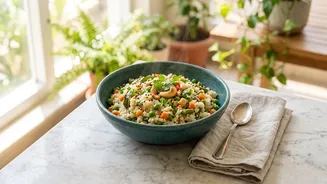
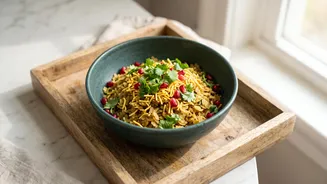
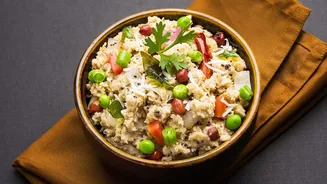
Poha, made from flattened rice, is a beloved breakfast across India for good reason. It’s incredibly light on the stomach and easily digestible. The production process, where rice passes through iron rollers, imbues poha with a good amount of iron, which is vital for preventing anaemia and maintaining energy. A squeeze of lemon juice on top isn't just for taste; the vitamin C significantly boosts iron absorption. As a source of healthy carbohydrates, poha provides a steady release of energy. It’s also naturally gluten-free and low in calories, making it a fantastic option for those managing their weight. Adding vegetables like peas and onions, along with peanuts, turns a simple bowl of poha into a more balanced meal with added fibre and protein.
Upma: The Fibre-Rich Sustainer
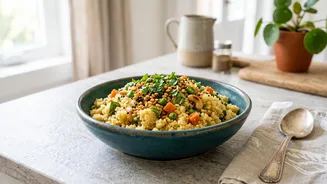
Often seen as a direct competitor to poha, upma holds its own with a different set of strengths. Made from dry-roasted semolina (suji or rava), upma is rich in protein and fibre, which makes it more filling than poha and excellent for staving off mid-morning hunger pangs. Its complex carbohydrates ensure a slow and sustained release of energy, helping to keep you active and focused. Semolina is also a good source of B vitamins like thiamine and folate, which are essential for metabolism. The true power of upma lies in its versatility. It serves as a perfect canvas for adding a variety of vegetables, boosting its fibre and nutrient content. For an even healthier twist, upma can be made from millets or oats, which can further lower its glycemic index and increase its fibre content.
Dosa: The Fermented Protein Powerhouse
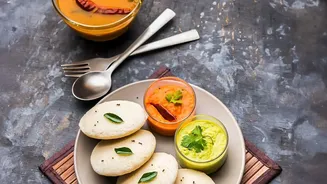
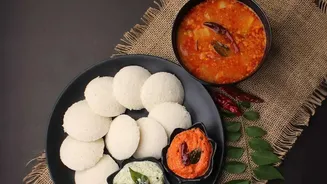
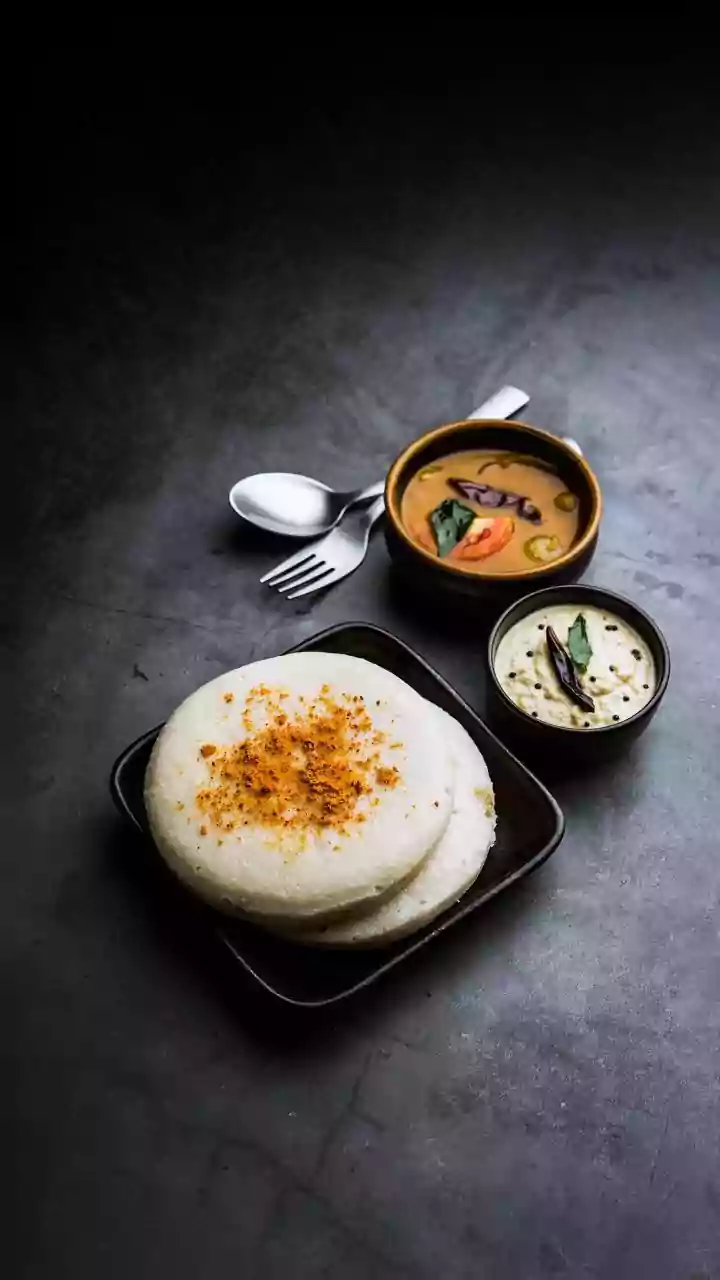
Dosa is more than just a crispy, delicious pancake; it's a nutritional marvel, thanks to fermentation. The batter, a mix of rice and urad dal (lentils), is fermented overnight. This process not only makes dosa light and easy to digest but also enriches it with probiotics—beneficial bacteria that support gut health. A healthy gut is linked to a stronger immune system. Fermentation also increases the bioavailability of nutrients like B vitamins and minerals. The combination of rice and lentils provides a complete protein profile, making it an excellent plant-based protein source. While a plain dosa is low in fat, the overall healthiness depends on preparation. Using minimal oil and choosing fillings like vegetables or paneer over high_calorie potato masala makes it a truly wholesome meal.
The Verdict: A Win for Tradition
So, which is the best? The answer depends on your needs for the day. If you need a light, easily digestible meal that provides quick energy, poha is an excellent choice. If you have a long, busy morning ahead and need something more substantial to keep you full, the protein and fibre in upma make it ideal. Dosa offers the unique benefits of fermentation for gut health along with a solid protein punch. All three are stellar options that prove traditional Indian breakfasts are not just comforting but are also aligned with modern nutritional wisdom. By loading them with vegetables and being mindful of oil, you can ensure your day starts on a genuinely wholesome and delicious note.