




Adopt a ‘Less is More’ Mindset
The first step to mastering the light carry-on is changing your packing philosophy. Instead of packing for every possible contingency with a separate outfit, think in terms of a versatile, mix-and-match capsule wardrobe. The goal is to create a small
collection of items that work together in multiple combinations. This approach revolves around a few core principles: layering for warmth and adaptability, choosing multi-purpose items, and selecting the right quick-drying fabrics. Avoid cotton, which gets heavy and takes a long time to dry once it gets damp. By focusing on a system rather than a pile of clothes, you’ll find you have everything you need without the weight.
The Most Important Item: Your Rain Jacket
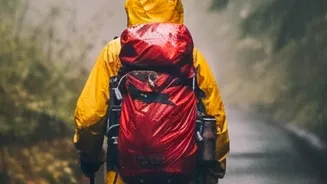
Your single most critical piece of gear is a high-quality, packable rain jacket. This isn’t the place to skimp. Look for a jacket that is genuinely waterproof, not just water-resistant, with sealed or covered seams to prevent leaks. It should also be breathable, allowing moisture and heat to escape so you don’t feel clammy during active moments. A lightweight, packable design is non-negotiable; the best travel rain shells can compress down into their own pocket or a small pouch, taking up minimal space and weight in your bag. An adjustable hood is also essential for keeping rain off your face. Models like the Outdoor Research Helium or Montbell Versalite are often cited for being exceptionally lightweight and effective.
Building a Smart Layering System
Layering is the key to comfort in unpredictable, wet weather. Think of your clothing in three parts: a base layer, a mid-layer, and your outer shell. For your base layers—the tops you wear against your skin—choose materials like merino wool or synthetic fabrics. These wick moisture away from your body and dry quickly. For a seven-day trip, four to five tops should suffice. Your mid-layer provides insulation. A lightweight fleece or a thin merino wool sweater is perfect, as it will keep you warm even if it gets a little damp. Your waterproof jacket serves as the outer shell, protecting you from wind and rain. This system allows you to add or remove layers to perfectly match the temperature and activity level, whether you're on a chilly train or a humid city street.
The Seven-Day Capsule Wardrobe
For a week-long trip, your clothing list can be surprisingly small. Aim for two pairs of versatile, quick-drying trousers or pants. Travel-specific pants are often made from lightweight synthetic materials that resist wrinkles and dry fast. Supplement this with one other bottom, perhaps a skirt or another pair of pants, depending on your itinerary. Combine these with your four or five tops, one mid-layer fleece or sweater, and your rain jacket. For sleepwear, pack one dedicated set. When it comes to underwear and socks, pack five to seven pairs. Wool or synthetic socks are highly recommended over cotton for their quick-drying properties and ability to keep feet comfortable even when damp.
Strategic Footwear and Accessories
Shoes are often the bulkiest items, so be ruthless. You only need two pairs. Wear your heaviest, most waterproof pair on the plane. This should be a comfortable, sturdy shoe with good traction for slippery surfaces. Consider waterproof hiking shoes or treated leather boots. Your second pair should be lightweight and packable—perhaps a pair of flats, loafers, or water-resistant sneakers that can be dressed up or down for evenings. Key accessories include a compact travel umbrella, a reusable pouch or dry bag for isolating wet clothes, and a quick-dry microfiber towel. Protecting your electronics and documents is also vital, so use zip-top bags or a dedicated waterproof pouch.
Mastering the Art of the Pack
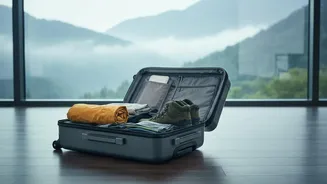
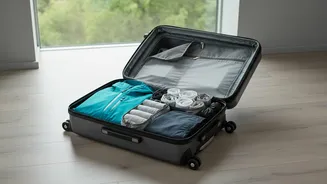
How you pack is as important as what you pack. Most seasoned travelers swear by packing cubes. These zippered fabric containers allow you to compress clothing and organize your bag into tidy compartments. Use one cube for tops, one for bottoms and underwear, and keep your mid-layer loose for easy access. Rolling your clothes tightly before placing them in the cubes can minimize wrinkles and save even more space. Keep your rain jacket in an easily accessible outer pocket of your carry-on. This way, you can grab it the moment a storm hits without having to unpack your entire bag in public.