






More Than Just Nostalgia
The most immediate answer is nostalgia. For those who grew up watching these films, a re-release is a chance to relive cherished memories. However, calling it just nostalgia is too simple. Theatres are filled with young audiences, many of whom are seeing
these movies for the first time on the big screen. This trend points to a deeper craving—not just for the past, but for the feelings these films evoke. It's an opportunity for a generation raised on social media clips and streaming to experience these cultural touchstones in a communal setting, often introduced by their parents. The shared experience of cheering for iconic scenes or singing along to beloved songs offers something that watching at home cannot replicate.
When Content Was Undisputed King
A significant reason for this resurgence is the enduring quality of the films themselves. Many viewers and critics argue that older hits were built on stronger foundations: memorable music, powerful screenplays, and dialogues that have become a part of India's cultural lexicon. In an era where audiences sometimes express fatigue with the current slate of new releases, these classics offer a predictable comfort and a guarantee of quality entertainment. The success isn't limited to blockbusters; even films that were not huge hits on their initial run, like 'Rehnaa Hai Terre Dil Mein' or 'Laila Majnu', have found a devoted following and success in their second theatrical life, proving that a great story can find its audience eventually.
The Magic of the Big Screen Experience
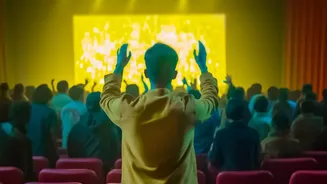
There is an undeniable magic to watching a film in a dark theatre with a crowd. Industry experts note that even though these movies are widely available on streaming platforms, people are still willing to pay for the theatrical experience. The success of re-releases validates the enduring appeal of communal viewing. For Gen Z, who may have first encountered iconic scenes or songs through Instagram Reels, watching the full movie in a cinema provides context and a grander sense of discovery. It transforms a personal, small-screen viewing into a public celebration, with audiences dancing in the aisles and reciting dialogues in unison, as seen during screenings of 'Jab We Met'.
A Smart Move for Theatres
Beyond the cultural appeal, re-releasing older films is also a savvy business strategy. For cinema owners, it's a low-risk, low-cost way to fill seats, especially during periods with a weak lineup of new movies. The marketing costs are minimal, as these films already have established brand recognition. This trend started gaining momentum as a way for theatres to cope with lean periods but has since evolved into a strategic revenue stream. In some cases, the box office collections of re-released films have been surprisingly strong, proving that there is a sustainable market for these classics. For example, the horror film 'Tumbbad' shattered its previous box office records upon its re-release.