


Seeing the Universe in a New Light
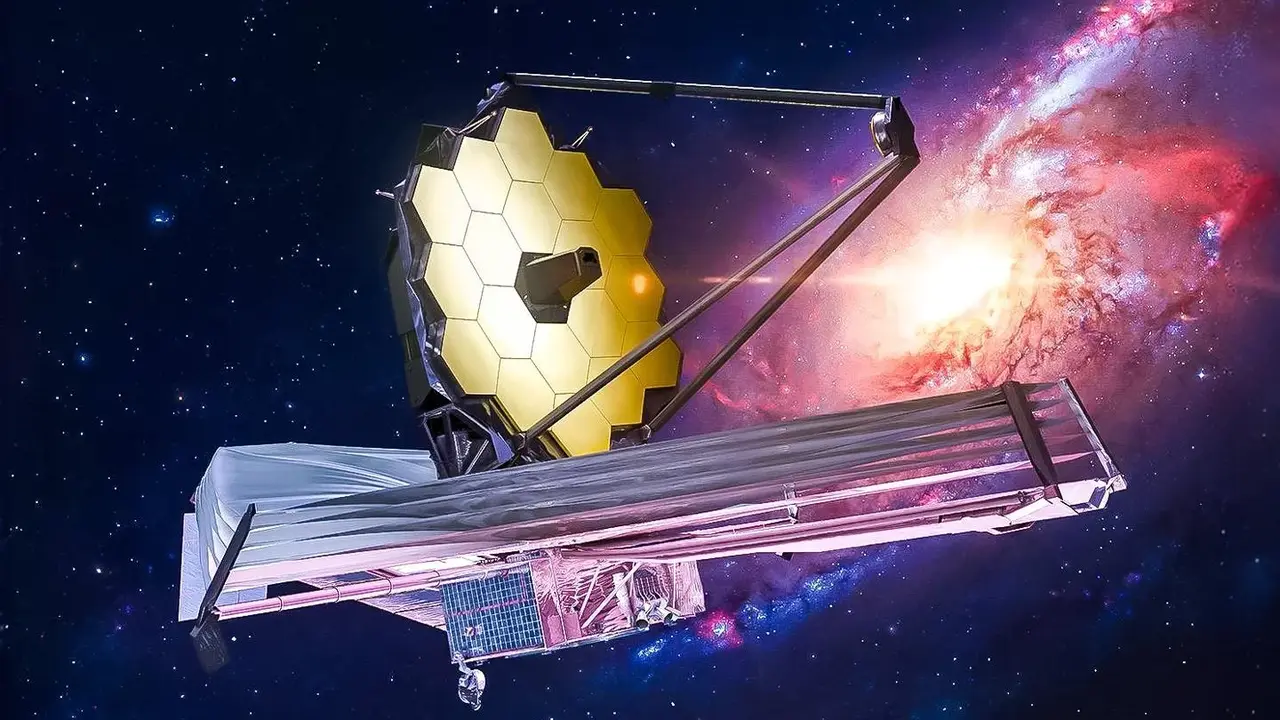
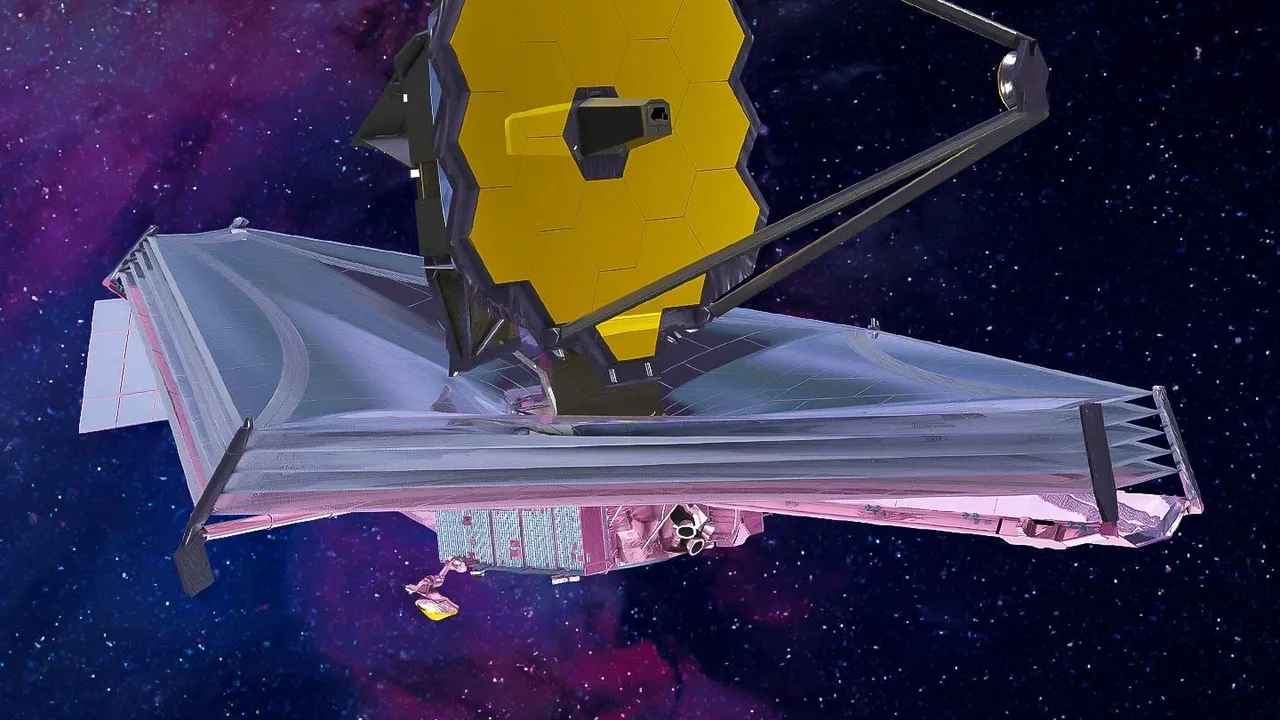
The light human eyes can perceive is just a tiny fraction of the full electromagnetic spectrum. Beyond the red light we can see lies infrared, a type of light that we feel as heat. While telescopes like Hubble are optimized for visible and ultraviolet
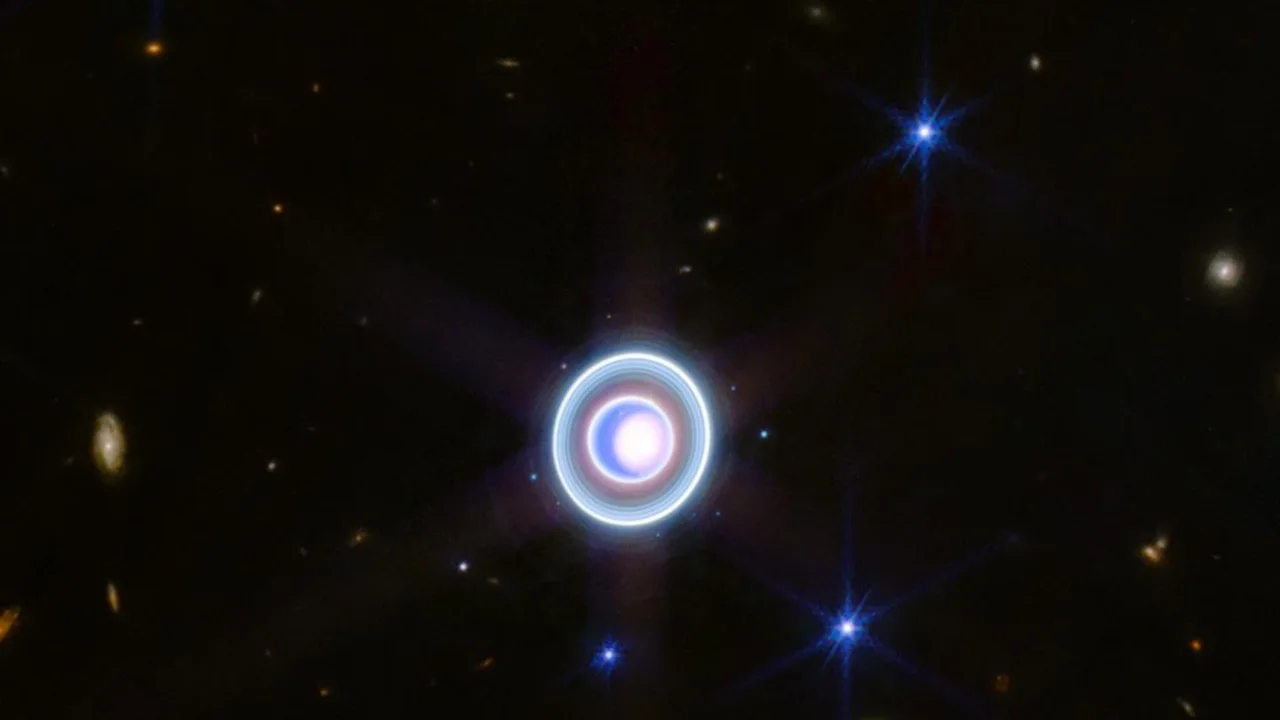
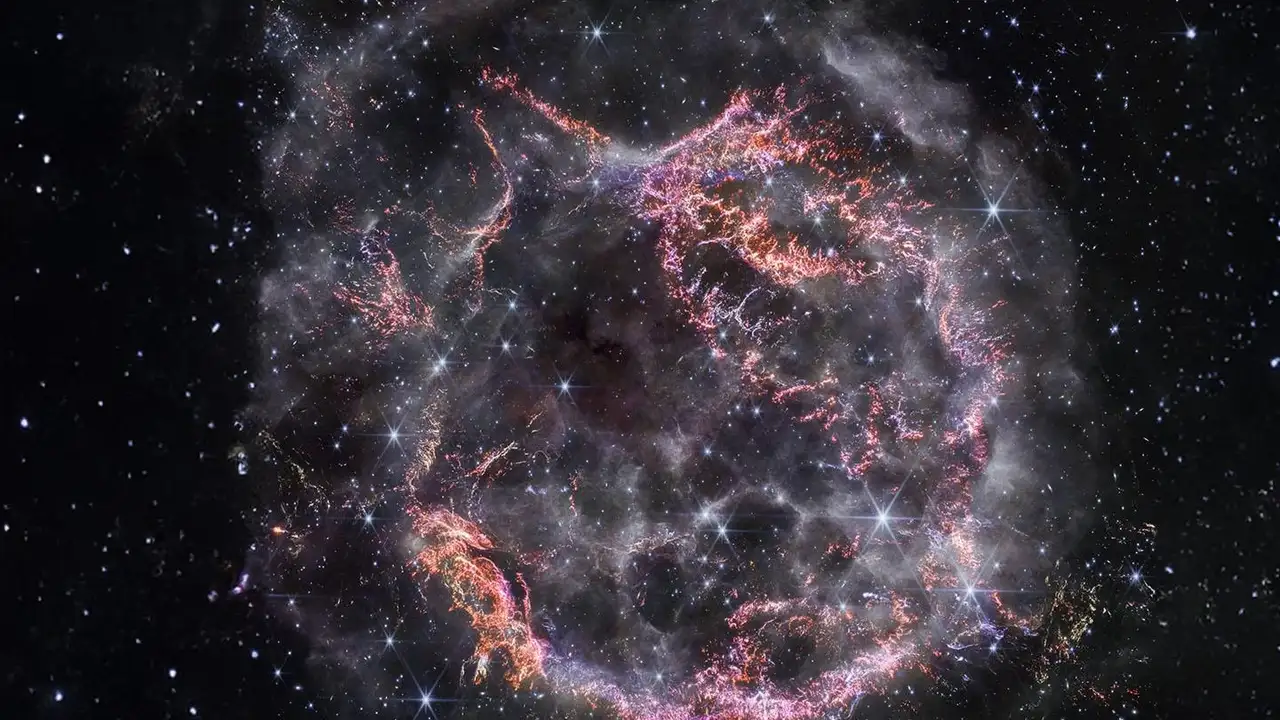
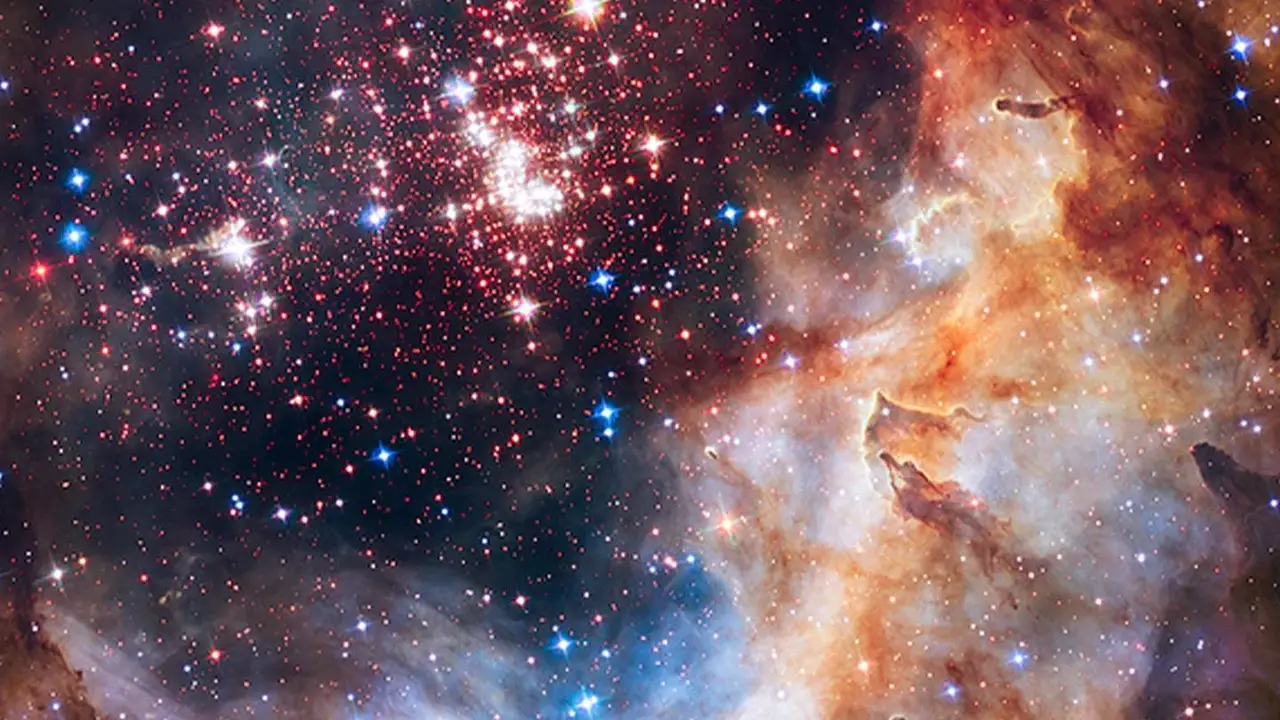
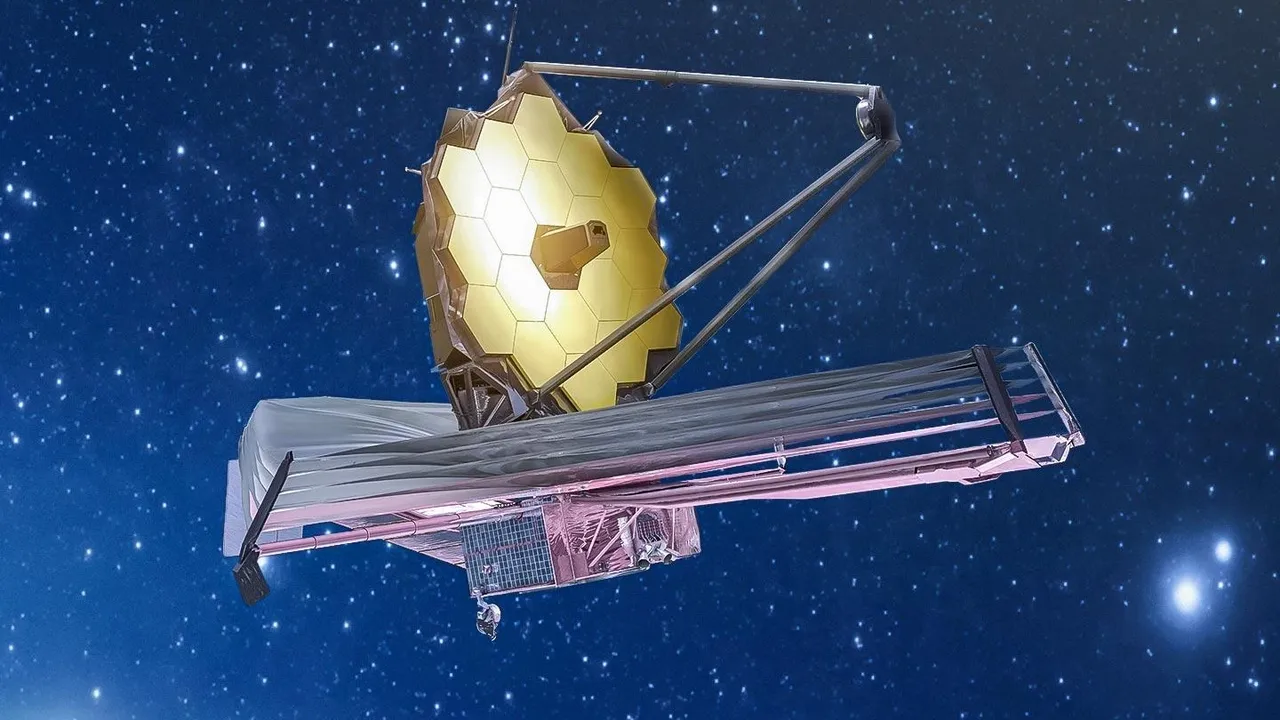
light, JWST was specifically engineered to be an infrared specialist. This focus is crucial for two main reasons. First, many cool objects, like forming stars and planets, don't glow brightly in visible light but radiate strongly in the infrared. Second, infrared light’s longer wavelengths can pass through cosmic dust clouds that would otherwise obscure our view, allowing Webb to peer into stellar nurseries and galactic cores.
The Cosmic Stretch-Effect
The most important reason for Webb's infrared focus is a phenomenon called "cosmological redshift". Our universe has been expanding since the Big Bang, and this expansion literally stretches the fabric of space. As light from the most distant, and therefore most ancient, galaxies travels across billions of years to reach us, its wavelength gets stretched out along the way. Light that may have started as energetic ultraviolet or visible light is stretched so much that by the time it arrives at Webb's mirrors, it has shifted all the way into the infrared part of the spectrum. The greater the distance, the greater the redshift. To see the universe's first light, you need a telescope that can see this stretched, reddened light.
Webb’s Infrared Toolkit
To capture this faint, ancient light, JWST is equipped with a suite of advanced instruments. The Near-Infrared Camera (NIRCam) is its primary imager, responsible for the breathtaking deep field images that reveal thousands of galaxies in a patch of sky the size of a grain of sand held at arm's length. The Mid-Infrared Instrument (MIRI) sees even longer infrared wavelengths, which are excellent for highlighting dust-obscured star formation and the very earliest, most redshifted galaxies. Together with spectrographs like NIRSpec, which breaks down light to analyze a galaxy's chemical composition and distance, these tools provide the most detailed view of the early universe to date.
Discovering the Cosmic Dawn
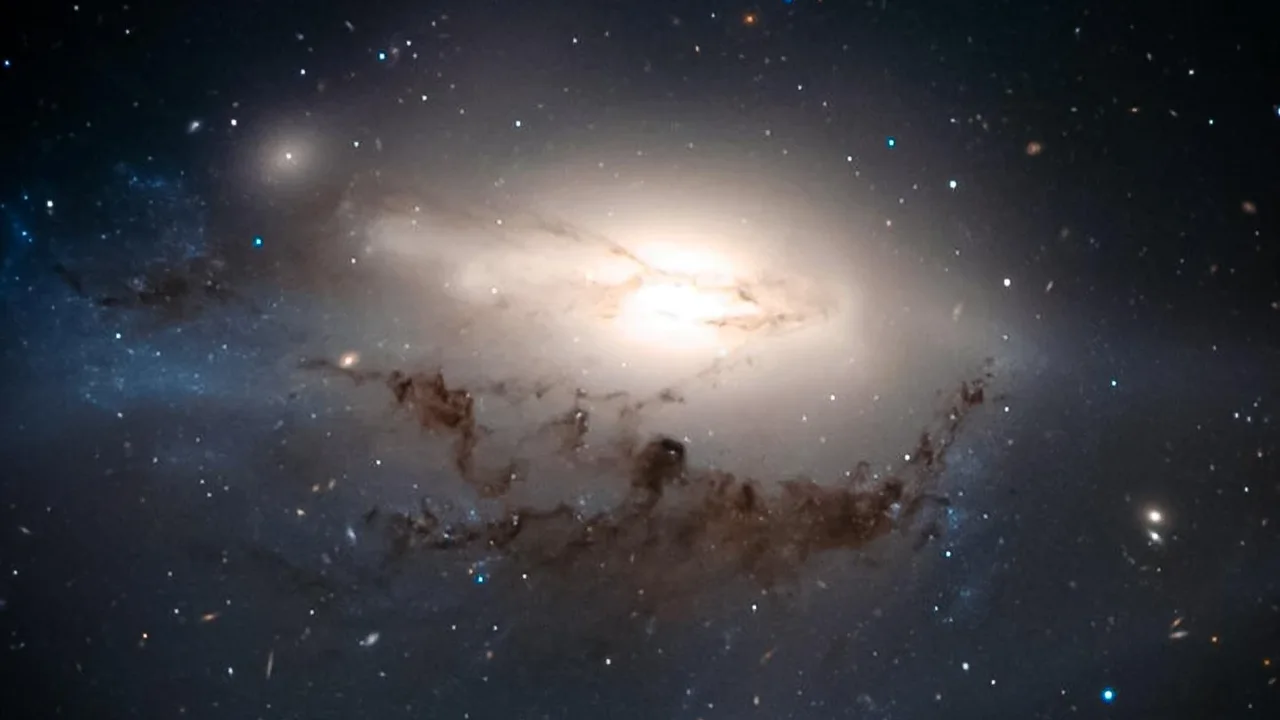
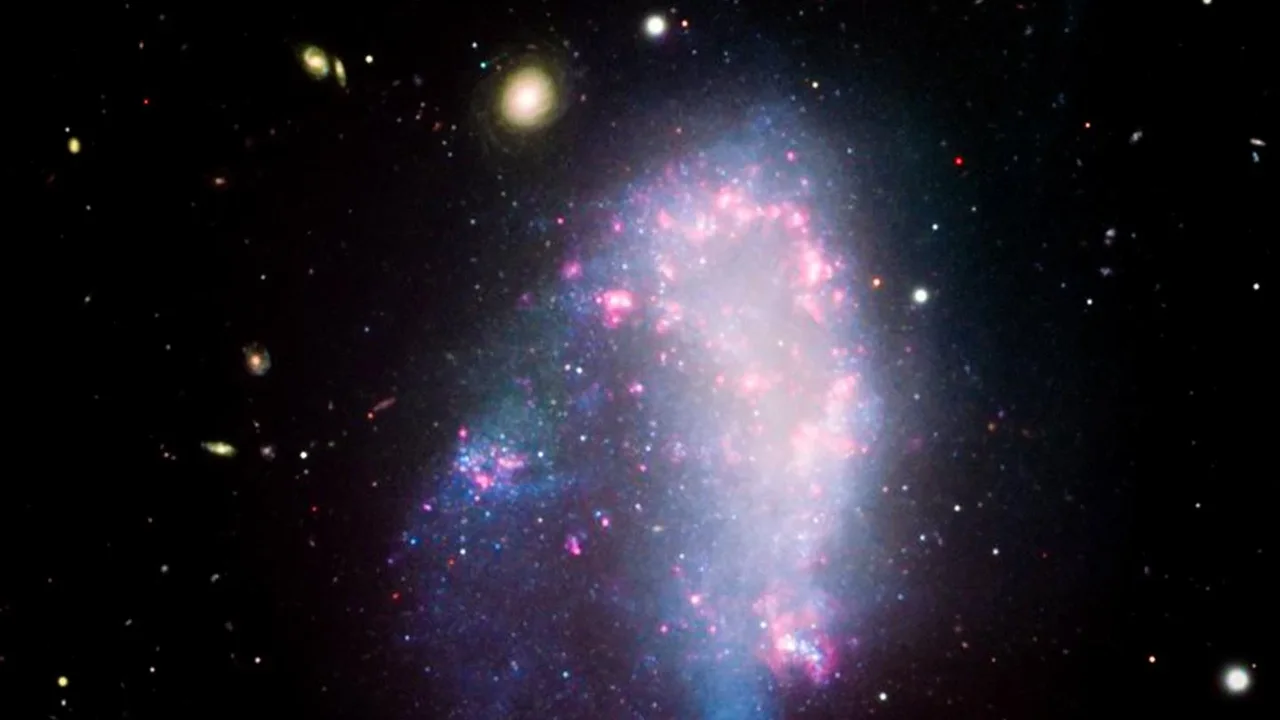
Thanks to this technology, astronomers are now observing galaxies that existed just a few hundred million years after the Big Bang, an era known as the Cosmic Dawn. Webb has found galaxies dating back to when the universe was only about 280-300 million years old, pushing our observational frontier back further than ever before. These aren't the majestic spirals we see nearby. Many of these first galaxies are surprisingly small and irregularly shaped, with some described as looking like "pool noodles or surfboards." Discoveries like the "Firefly Sparkle" galaxy, seen as it was 600 million years after the Big Bang, show us the building blocks of galaxies like our own Milky Way being assembled. Webb has also uncovered a plethora of mysterious "little red dots," which are extremely distant objects that could be a new class of galaxy or an early phase of supermassive black hole growth.
Rewriting Our Cosmic Story
These discoveries are doing more than just filling in a timeline; they are challenging and refining our understanding of how the universe evolved. Some of these ancient galaxies appear more massive and structured than theories predicted they could be so early in cosmic history. The presence of certain elements implies that generations of stars may have formed and died even earlier than previously thought. Finding massive black holes that seem to pre-date their host galaxies is forcing a rethink of how these cosmic giants form. Each deep field image from Webb is not just a pretty picture, but a core sample of cosmic history that is helping scientists write a new, more accurate origin story for the universe.