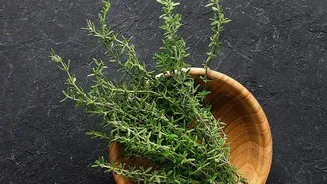


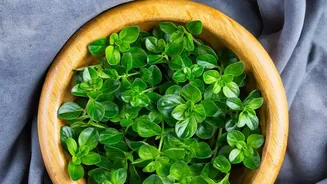
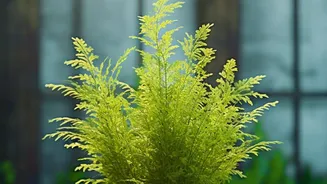
The aroma of fresh thyme can elevate any kitchen, and growing it at home is surprisingly simple. But before you even think about sunlight or water, your success starts with one crucial choice: the right container for your plant to thrive in.
Why the Right Pot Matters
Thyme is a
hardy herb native to the dry, rocky slopes of the Mediterranean. This heritage is key to understanding its needs. It despises 'wet feet', meaning its roots cannot tolerate sitting in soggy soil. The most common reason a potted thyme plant fails is root rot caused by overwatering or poor drainage. A suitable container isn't just a home for the plant; it's a system designed to mimic its natural, free-draining environment, preventing the waterlogged conditions that can quickly prove fatal. Choosing correctly from the start sets the stage for a healthy, aromatic plant that you can harvest from for years.
Material Matters: Terracotta Is King
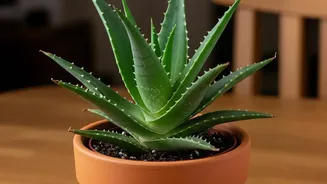
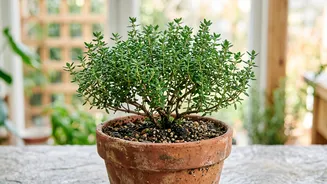
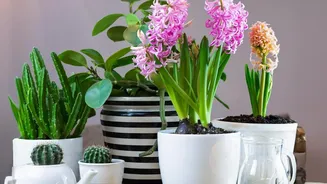
When it comes to pot materials, not all are created equal for thyme. Terracotta or clay pots are widely recommended as the best choice. Their porous nature allows soil and roots to breathe, wicking excess moisture away from the soil and helping it dry out more evenly between waterings. This is a significant advantage in preventing root rot. Plastic containers, on the other hand, retain moisture. While they can be used, they are less forgiving. If you do opt for plastic, you must ensure it has multiple drainage holes and be extra cautious not to overwater. For beginners, the natural drying properties of a simple terracotta pot provide a valuable buffer against common watering mistakes.
Getting the Size and Shape Right
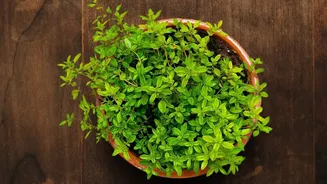
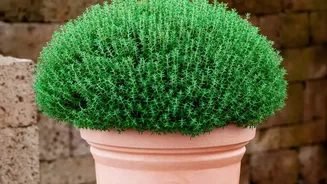
Bigger isn't always better, especially for thyme. This herb has a shallow, spreading root system, so a wide pot is more important than a deep one. A single thyme plant will be happy in a container that is about 6 to 8 inches (15 to 20 cm) wide and about 6 inches deep. This provides enough room for the roots to spread out without creating a large volume of soil that stays wet for too long. A pot that is too deep can hold excess moisture far below the shallow roots, creating a soggy bottom layer that promotes rot. If planting multiple thyme plants, choose a wider trough-style planter and space them about 6 to 12 inches apart.
The Golden Rule: Excellent Drainage
This cannot be overstated: your pot must have adequate drainage holes. No matter the material or size, a container without a way for excess water to escape is a death sentence for thyme. Most sources agree that one central hole is a minimum, but several holes are even better. It's a common myth that adding a layer of gravel to the bottom of a pot improves drainage; in fact, it can have the opposite effect by creating a perched water table where water collects just above the gravel layer, right where the roots are. Instead of a gravel layer, focus on using a soil mix that drains well from top to bottom.
Creating the Perfect Soil Mix
Standard potting soil is often too heavy and retains too much moisture for thyme. To create an ideal environment, you need a gritty, wellndraining mix. You can achieve this by amending a standard potting mix with materials that improve aeration and drainage. A good recipe is to mix two parts potting soil with one part coarse sand, perlite, or fine horticultural grit. The goal is to create a lean, sandy soil that drains quickly after watering, closely replicating the herb's native Mediterranean terrain. Thyme does not need rich, heavily fertilised soil; in fact, growing it in leaner soil can actually enhance the concentration of its aromatic oils, making it more fragrant and flavourful.