





The Golden Hour: Why Early Is Often Best
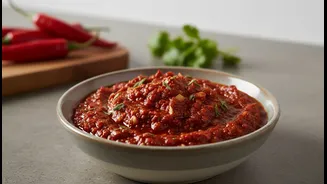
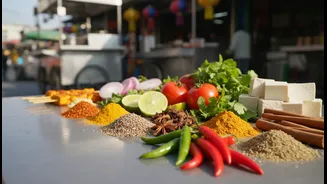
Think of the morning as the golden hour for street food. Vendors who set up for the day are often working with their freshest ingredients. The oil in the fryer is likely to be cleaner, the chutneys have just been prepared, and the prepped vegetables haven't
been sitting out for hours. Eating earlier in a stall's daily cycle, whether it opens in the morning or for the evening rush, generally means you're getting the food at its peak quality. Items cooked in the morning and left to sit in the afternoon heat present a higher risk of bacterial growth.
Follow the Crowd, But Beat the Peak
A long line is one of the best indicators of a good street food stall. It signals that the food is popular, trusted by locals, and, most importantly, has a high turnover. High turnover means ingredients are constantly being replenished and dishes are cooked to order, not left sitting around. However, there's a sweet spot. The absolute peak of the lunch or dinner rush can sometimes lead to hurried preparation. The ideal time to visit a popular stall is often just as the main rush begins. You get the benefit of the fresh, fast-moving stock without the chaos.
The Afternoon Lull: A Time for Caution
The quiet period between the lunch and evening rushes can be a risky time to indulge. Food that was cooked for the lunch crowd may have been sitting at room temperature for several hours, a prime condition for bacterial growth, especially in India's heat. While some items are perfectly fine, be wary of dishes that look like they've been sitting out. Unless the vendor is actively cooking and preparing food fresh for the evening service, it might be wise to wait. This is a time to opt for pre-packaged snacks or a hot cup of chai, where the water has been boiled.
Reading the Evening Rush
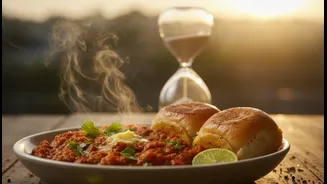
The evening brings a whole new energy to the street food scene, with many vendors specializing in snacks perfect for the post-work crowd. This is often when items like pav bhaji, momos, and various chaats are made fresh. The key is to observe the process. Look for vendors who are cooking to order. A freshly fried samosa or a plate of dosas made right in front of you is always a safer bet than items scooped from a large, pre-cooked batch that may have been prepared hours earlier. If it's steaming hot and cooked before your eyes, the risk is significantly lower.
Beyond the Clock: Seasonal Timing
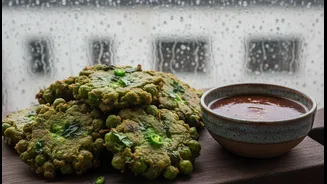
Timing isn't just about the hour of the day; it's also about the time of year. The monsoon season, for example, increases the risk associated with water-based items. Contaminated water is a primary cause of stomach issues, so be extra cautious with chutneys, juices, and anything washed with tap water during this period. Similarly, extreme summer heat can accelerate food spoilage. During hot months, it becomes even more critical to ensure that what you're eating is freshly prepared and hasn't been sitting out.
Trust Your Instincts, Not Just the Time
Ultimately, the best tool you have is your own judgment. Regardless of the time of day, take a moment to observe the stall. Is it clean? Are raw ingredients and cooked food kept separate? Does the vendor handle money and food with the same hands? If something smells or looks off, it’s best to walk away. A busy stall at the right time is a great sign, but it doesn't replace a quick, common-sense check of the overall hygiene. Your gut feeling is often your best guide.