






Understanding the Salt Situation
First, let's be clear: restaurant food is often high in sodium for a reason. Salt is a powerful flavour enhancer and a cheap preservative, making it a go-to for chefs. The World Health Organization (WHO) and the Indian Council of Medical Research (ICMR)
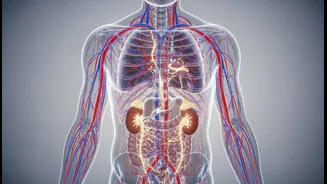
recommend a daily salt intake of less than 5 grams, which is about one teaspoon or 2,000 mg of sodium. However, studies show that the average Indian adult consumes around 8 to 11 grams of salt daily—nearly double the recommendation. When you eat a high-sodium meal, your body retains water to dilute the excess salt, which can lead to bloating, puffiness, and a temporary rise in blood pressure as your heart works harder to pump the increased blood volume. While your kidneys are excellent at filtering out excess sodium over time, giving them a helping hand can make the process smoother.
Hydrate Intelligently, Don't Just Chug
Your first instinct after a salty meal might be to drink litres of water. While hydration is crucial, the goal is to help your body flush out the sodium, not just to dilute it. Drinking plenty of water—around 8 to 10 glasses throughout the day—supports your kidneys in excreting excess sodium through urine. Instead of just plain water, consider sipping on fluids throughout the day to maintain a steady balance. Infusing your water with slices of lemon, cucumber, or mint can make it more palatable and encourage you to drink more. Unsweetened coconut water is another excellent choice as it provides hydration along with electrolytes, including potassium.
Power Up with Potassium
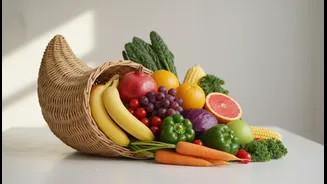
Think of potassium as sodium's balancing partner. This essential mineral helps counter the effects of sodium, relaxing blood vessel walls and helping your body excrete more sodium. In fact, the sodium-to-potassium ratio in your diet may be more important for your heart health than sodium intake alone. After a salty meal, focus on incorporating potassium-rich foods into your other meals and snacks for the day. Excellent, easily available sources in India include bananas, spinach (palak), sweet potatoes (shakarkandi), potatoes, tomatoes, lentils (dal), and yogurt. Fruits like mangoes, oranges, and cantaloupe are also great options.
Plan Your Other Meals Carefully
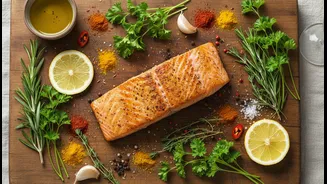
If you know you've had a high-sodium lunch, make your dinner a low-sodium affair. This is where home cooking gives you complete control. Focus on fresh, whole ingredients and avoid processed or packaged foods, which are often loaded with hidden salt. A simple dinner could consist of grilled chicken or paneer seasoned with herbs like garlic, ginger, and turmeric instead of salt. Pair it with a large salad full of fresh, potassium-rich vegetables and a light, homemade dressing made with lemon juice and a dash of olive oil. For breakfast the next day, opt for something naturally low in sodium like oatmeal with fruit or a vegetable-packed omelette cooked without added salt.
Snack Smart and Skip the Salt
When hunger strikes between meals, it can be tempting to reach for a bag of chips or other savoury snacks, which are major contributors to high sodium intake. Instead, have low-sodium snacks ready. Unsalted nuts, fresh fruit, vegetable sticks like carrots and cucumbers, or a simple bowl of curd (yogurt) are fantastic choices. These options not only keep your sodium intake low for the rest of the day but also provide valuable nutrients like fibre, vitamins, and, in many cases, that helpful potassium.
A Note on Long-Term Habits
While it's great to be mindful after a single salty meal, it's the long-term pattern of consumption that has the most significant impact on health. Chronic high salt intake can strain your kidneys, heart, and blood vessels, leading to an increased risk of high blood pressure, heart disease, and stroke. Think of this balancing act not as an emergency fix, but as a part of a sustainable lifestyle. Enjoying restaurant meals is an important part of social life. By being mindful of your choices before and after dining out, you can easily fit them into a healthy, balanced diet without worry. The benefits of reducing overall salt intake show up quickly, with blood pressure potentially decreasing within days.