






The New Work-Life Equation
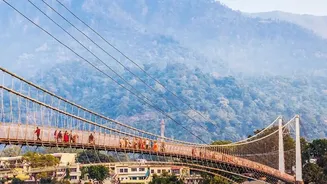
Imagine a workday that begins not with a blaring alarm and a frantic rush, but with sunrise yoga and the gentle sound of the river. For a growing cohort of young professionals, this isn't a dream but a daily reality. The post-pandemic acceptance of remote
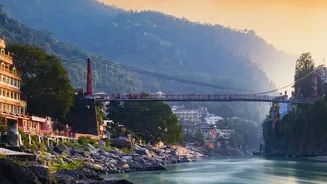
work has collided with a burnout crisis in the Indian tech sector, where long hours are commonplace. In response, many are proactively redesigning their lives, and Rishikesh has become their destination of choice. The routine here is a world away from corporate hubs. A morning of coding can be followed by an afternoon hike to a waterfall, and the day might end with meditation or attending the famous Ganga aarti, integrating wellness directly into the workweek.
Why Rishikesh? More Than a Pretty View
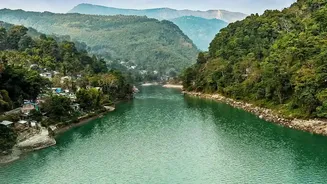
For years, Rishikesh has been known as the 'Yoga Capital of the World', attracting spiritual seekers and adventurers. Now, it's rapidly gaining a reputation as a leading hub for digital nomads. The appeal is multi-layered. Firstly, the cost of living is significantly lower than in metropolitan cities like Mumbai or Bengaluru. Co-living spaces and hostels offer affordable monthly packages that are often cheaper than renting a small urban apartment. Secondly, the infrastructure has caught up. The arrival of high-speed fibre internet has made remote work not just possible, but reliable. Lastly, and perhaps most importantly, is the town's inherent focus on wellness. This environment provides an inspiring backdrop for creativity and focus, offering a natural escape from city noise and pollution.
The Rise of Co-Living and Co-Working Hubs
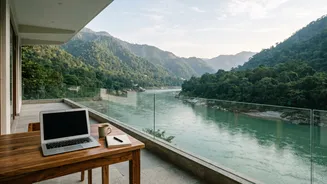
This trend is powered by a new ecosystem of co-living spaces, work-friendly hostels, and riverside cafes designed specifically for productivity. These aren't just places to sleep; they are curated lifestyles. Operators handle logistics like Wi-Fi, power backup, cleaning, and meals, allowing residents to focus on their work and well-being. Areas like Tapovan have become particularly popular, offering a blend of quiet residential lanes and easy access to cafes and shops. These hubs also solve one of the biggest challenges of remote work: loneliness. Through communal kitchens, lounges, and organised events like movie nights and skill-sharing workshops, they foster a built-in community of like-minded individuals from across the globe.
Redefining Productivity and Success
A 'workation' in Rishikesh is distinct from a vacation. It's not about escaping work, but integrating it into a healthier, more balanced lifestyle. Many who make the move report a shift in their relationship with work; they feel more focused, creative, and less stressed. The environment itself encourages a natural rhythm, blending periods of deep work with moments of stillness and connection with nature. This change challenges the traditional belief that success requires sacrificing personal life, a notion that is increasingly being rejected by a generation of workers who prioritise well-being. They are proving that productivity doesn't have to be tied to a specific location or a gruelling schedule.
Challenges and the Road Ahead
While the lifestyle is appealing, it's not without challenges. Internet connectivity, though much improved, can still fluctuate. Some may find the town's quiet, vegetarian, and alcohol-free culture a significant adjustment. There is also the question of the long-term impact on Rishikesh itself, as the influx of remote workers puts pressure on local resources and culture. However, the trend shows no signs of slowing down. For many tech professionals, the move isn't just a temporary escape but a conscious choice to build a more sustainable and fulfilling life. It represents a fundamental re-evaluation of what a successful career looks and feels like.