



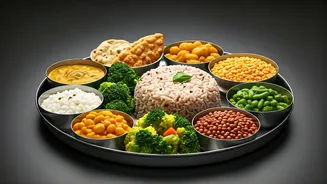


Why Bother with Fibre?
Dietary fibre is a type of carbohydrate found in plant-based foods that your body can't digest. It plays a crucial role in our health, offering numerous benefits. Firstly, it's essential for good digestive health, helping to prevent constipation by adding
bulk to stool and promoting regularity. Secondly, soluble fibre can help manage blood sugar levels by slowing down sugar absorption and can also help lower bad cholesterol levels. Finally, high-fibre foods help you feel fuller for longer, which can aid in weight management by reducing the tendency to overeat. Despite these benefits, many people don't get enough. The recommended daily intake for adults in India is around 25-30 grams, but many consume only about half of that.
Swap White Rice for Whole Grains
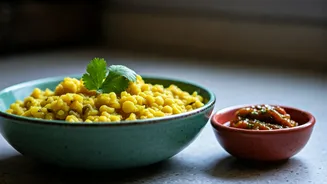
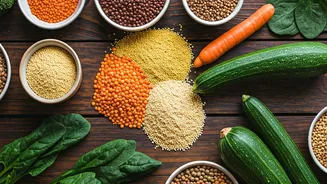
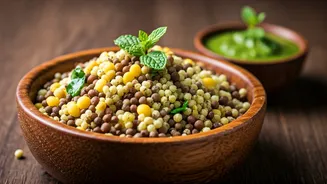
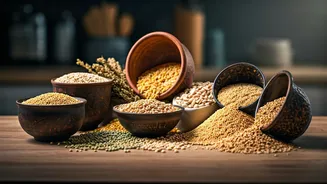
One of the simplest changes to make during lunch is to switch from refined grains to whole grains. Instead of plain white rice, consider brown rice, which contains significantly more fibre. Millets are another fantastic, traditional option. Grains like jowar (sorghum), bajra (pearl millet), and ragi (finger millet) are packed with fibre and can be used to make rotis, bhakri, or even a mixed-grain khichdi. Even swapping your regular wheat atta for a multigrain version can increase the fibre content of your daily rotis. This small adjustment doesn't just add fibre; it also provides a host of other essential nutrients.
Power Up with Pulses and Legumes
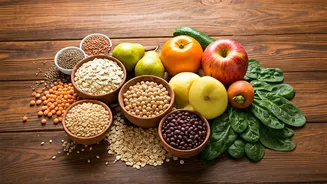
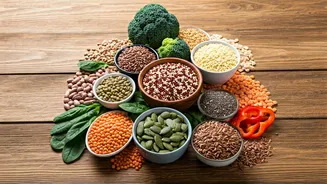
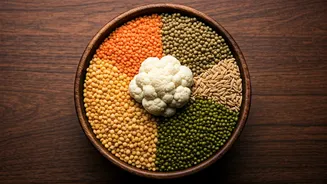
Indian cuisine is rich in pulses and legumes, which are excellent sources of both fibre and protein. Make it a point to include a generous serving of dal, such as moong, masoor, or toor, in your lunch every day. Beyond dals, other legumes like chickpeas (chana), kidney beans (rajma), and black beans are fibre powerhouses. A hearty chana masala or a rajma curry served with brown rice can make for a delicious and incredibly fibre-rich meal. Including sprouted pulses in your lunch, either in a salad or a light curry, further enhances their nutritional value and fibre content.
Don't Forget Your Vegetables
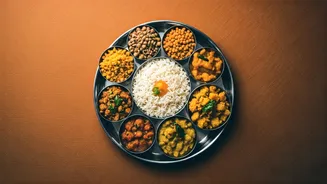
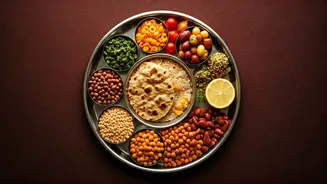
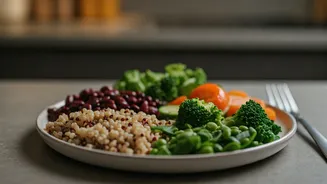
Vegetables are a cornerstone of a high-fibre diet, and your lunch thali is the perfect place to load up on them. Aim to fill half your plate with vegetables. Leafy greens like spinach and methi are great choices. Other fibre-rich vegetables commonly used in Indian cooking include okra (bhindi), cluster beans (gavar), carrots, and cauliflower. An easy trick to boost fibre is to cook vegetables with their skin on whenever possible, such as with potatoes and carrots. A simple kachumber salad made with cucumber, tomato, and onion on the side not only adds freshness and flavour but also a welcome dose of fibre.
A Sprinkle of Seeds and a Side of Fruit
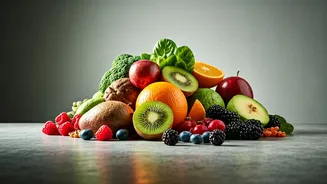
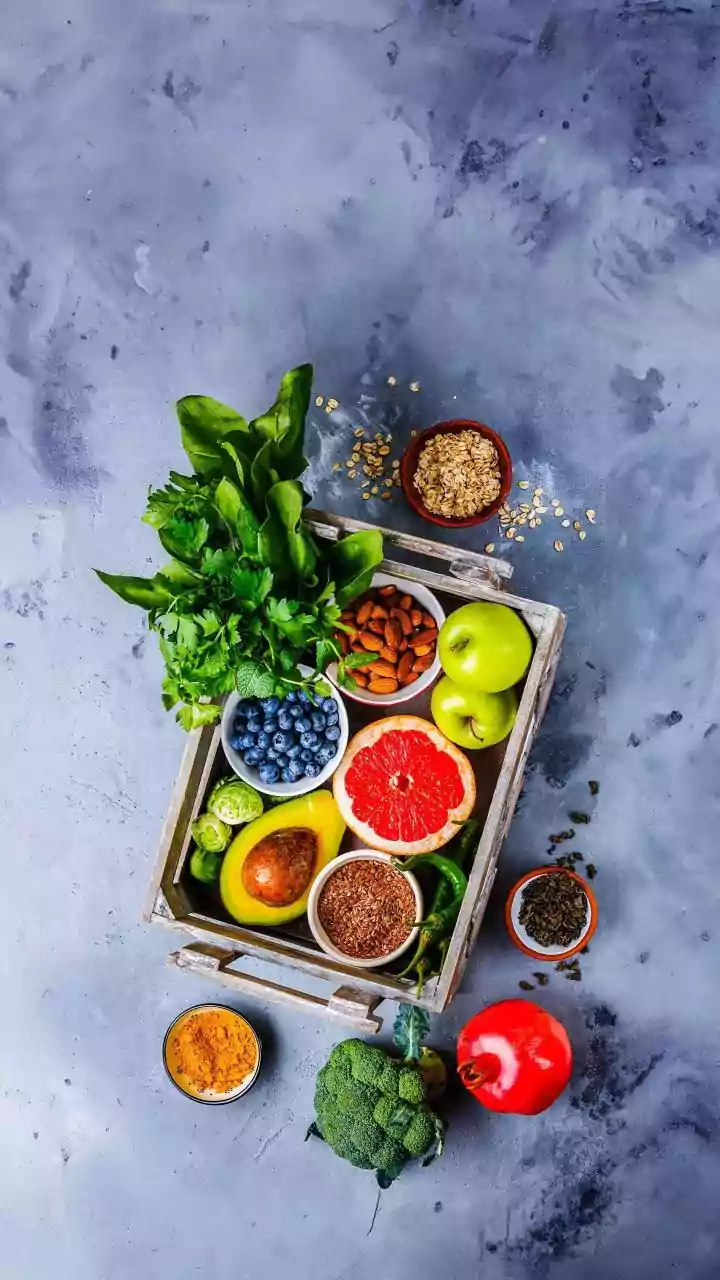
A simple yet effective way to add a fibre boost is by sprinkling seeds onto your food. A spoonful of roasted flaxseeds or chia seeds can be added to your curd, raita, or even sprinkled over your sabzi. These seeds are not only high in fibre but also packed with healthy fats. For dessert, instead of a sugary sweet, opt for a piece of fruit. Fruits like guava, apples (with the skin), pears, and papayas are fantastic sources of fibre. Having a fruit as part of your lunch meal satisfies your sweet tooth while contributing to your daily fibre goal.