


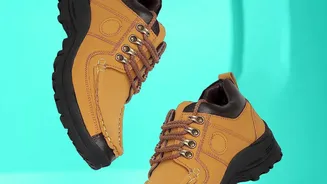

Choose Materials That Repel, Not Absorb
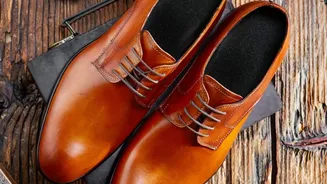
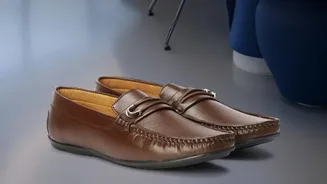
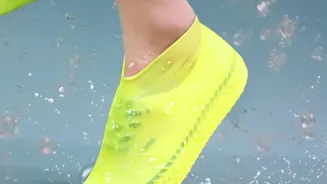
The first line of defence is choosing the right footwear. Materials like leather, canvas, and suede are disastrous for the rainy season. They absorb water, take ages to dry, and become a breeding ground for fungus and bacteria. Instead, opt for shoes
made of rubber, EVA (ethylene-vinyl acetate), PVC, or other quick-drying synthetics. These materials are waterproof, easy to clean, and dry quickly, making them ideal for daily wear when you might encounter puddles or downpours. Look for sandals or boots with good grip and deep treads to avoid slipping on wet, slick surfaces.
The Post-Rain Draining Ritual
What you do the moment you get home is crucial. Don't just kick off your wet shoes and forget about them. First, if they are covered in mud, give them a quick rinse and wipe away any dirt. Next, remove the insoles and laces, if possible. Insoles in particular can hold a lot of moisture, and drying them separately speeds up the entire process significantly. Gently shake out any excess water from the shoes themselves before moving on to the drying phase. This simple two-minute routine prevents mud from setting into stains and kick-starts the drying process.
Give Them a Place to Breathe
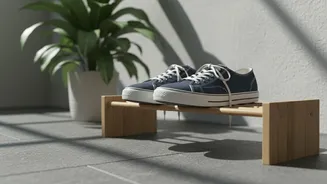
The headline says it all: your shoes need to breathe. Tossing damp footwear into a dark, closed shoe cabinet is the fastest way to encourage mould and a persistent musty smell. Air circulation is your best friend. An open, well-ventilated space is the ideal storage spot for shoes that are drying. Consider using a dedicated shoe rack near a breezy window or balcony. Some people create a 'draining station' by the door using a boot tray filled with pebbles; this allows water to drip away while air circulates around the shoes. Whatever you choose, the goal is to keep them out in the open, not sealed away in a humidity trap.
Smart and Safe Drying Techniques
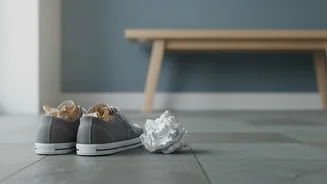
Patience is key, but some methods can safely speed up drying. One of the most effective, time-tested tricks is stuffing your shoes with crumpled newspaper. The paper absorbs a remarkable amount of moisture while helping the shoe maintain its shape. Check the newspaper every few hours and replace it once it becomes saturated. Placing the shoes in front of a fan is another excellent way to boost airflow and accelerate drying. However, you must avoid the temptation of using direct heat. Hair dryers, radiators, and direct sunlight can weaken adhesives, warp materials, and cause leather to crack, causing permanent damage.
Banish Odour and Rotate Your Pairs
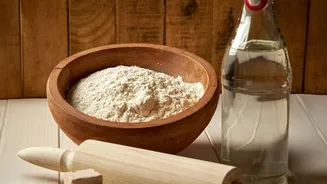
Even with proper drying, humidity can lead to unpleasant odours. A simple and effective deodoriser is baking soda. Just sprinkle a small amount inside your dry shoes, let it sit overnight to absorb any lingering smells and moisture, and shake it out in the morning. Another crucial habit is to rotate your footwear. Wearing the same pair every day doesn't give them the 24 hours they often need to dry out completely in humid weather. Alternating between at least two pairs ensures each has adequate time to air out, which drastically reduces the chances of both odour and fungal growth.
Don’t Forget Your Feet
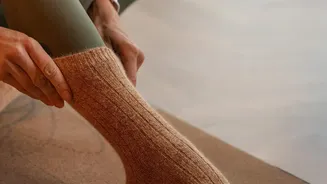
Shoe care and foot care go hand in hand during the monsoon. After all, your feet are trapped in that damp environment. Always wash your feet with soap and water after they've been wet, and dry them thoroughly, paying special attention to the areas between your toes. This helps prevent common fungal infections like athlete's foot. Using an antifungal powder can also help keep your feet dry and fresh. Wearing the right socks matters too; opt for moisture-wicking fabrics instead of cotton, which tends to hold dampness against your skin.