



The Great Millet Makeover
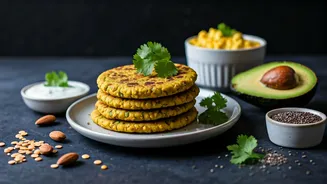
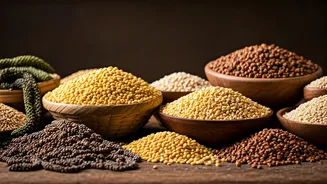
Remember when millets like ragi, jowar, and bajra were considered rustic, old-fashioned foods? Not anymore. These ancient grains are making a huge comeback as a powerhouse of nutrition. They are gluten-free, high in fibre, and packed with essential minerals.
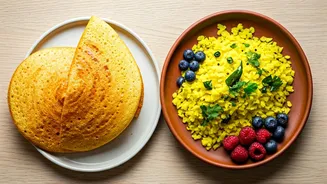
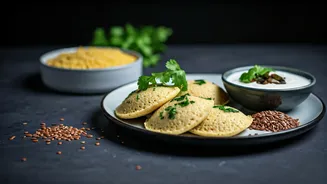
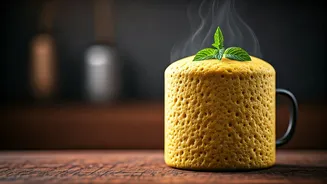
Today, it’s not uncommon to find ragi dosas, jowar upma, or even millet-based porridge and muesli on the breakfast table. They provide sustained energy without the sugar crash associated with more refined grains, making them a smart choice for a long and busy day. This isn't about replacing what we love; it's about rediscovering the nutritional treasures in our own backyard.
A Serious Protein Punch
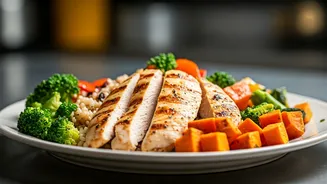
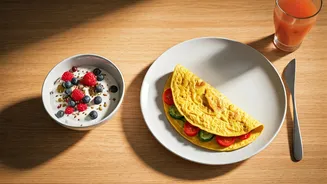
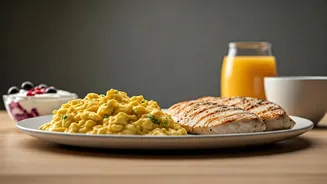
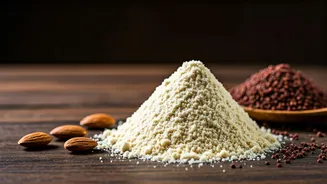
Traditionally, many Indian breakfasts can be carb-heavy. The new trend is to consciously add a protein component to keep us fuller for longer and support muscle health. This could be as simple as adding a scoop of unflavoured whey or plant-based protein powder to a smoothie, dosa batter, or oatmeal. More organically, people are incorporating more eggs, paneer, tofu, sprouts, and Greek yoghurt into their morning routine. Think of a masala omelette on the side of your poha, or paneer bhurji instead of a plain stuffed paratha. It's a simple tweak that has a massive impact on satiety and overall energy levels throughout the morning.
The Rise of Seeds and Good Fats
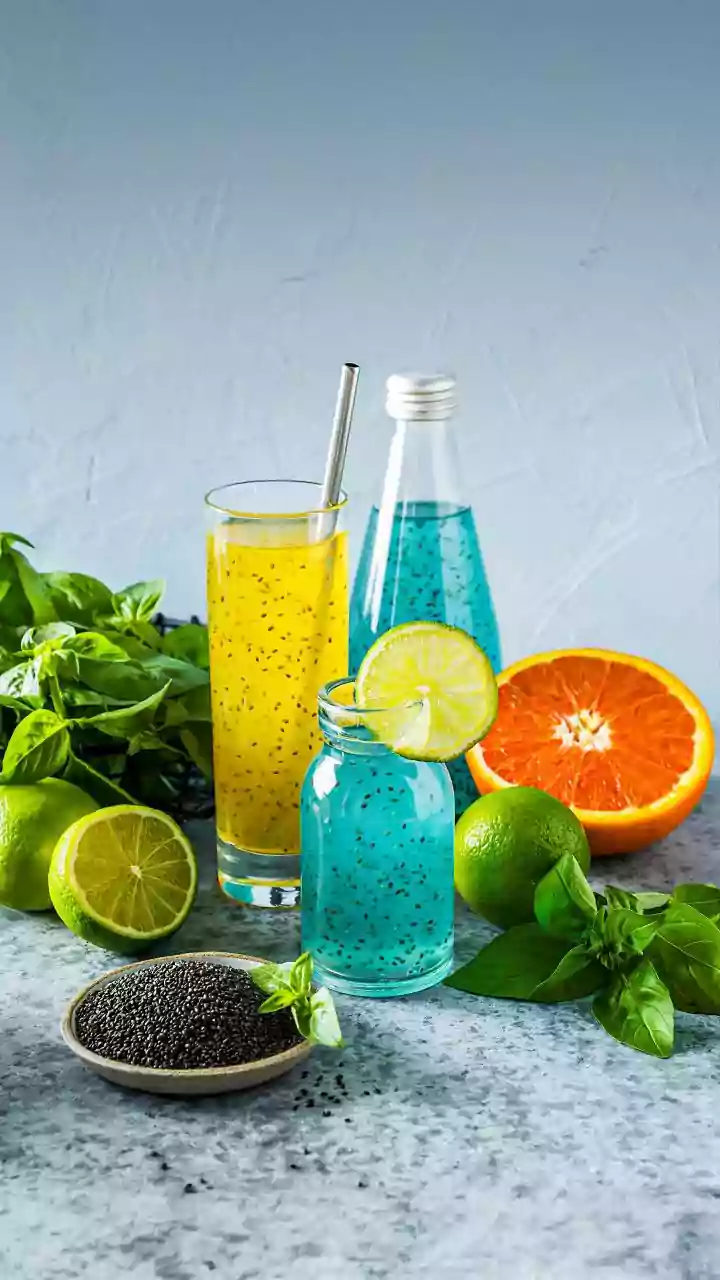
The tiny-but-mighty are having their moment. Seeds like chia, flax, pumpkin, and sunflower are now staples in health-conscious kitchens across India. A spoonful of chia seeds can turn a simple glass of water or a bowl of yoghurt into a fibre-rich, hydrating pudding. A sprinkle of roasted flaxseed powder on your upma or dalia adds a healthy dose of Omega-3 fatty acids. This trend extends to good fats, with avocados making an appearance alongside nuts like almonds and walnuts. These additions are celebrated for their anti-inflammatory properties, heart health benefits, and their ability to improve brain function.
Smart Swaps for Old Favourites
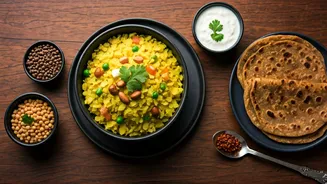
The beauty of this nutritional shift is that it's not about giving up beloved classics. Instead, it’s about making them better. People are swapping white poha for red poha, which has more iron and fibre. They're loading up their upma with double the vegetables and using less oil. Parathas are being made with whole wheat or multigrain flour and stuffed with protein-rich fillings like sattu or paneer instead of just potatoes. Even the humble idli is getting a makeover, with batters now incorporating oats, quinoa, or millets for a lower glycemic index and higher nutritional value. It’s evolution, not elimination.
The Instagrammable Smoothie Bowl
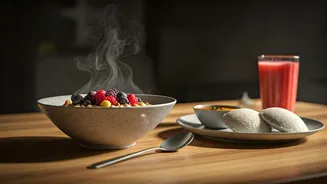
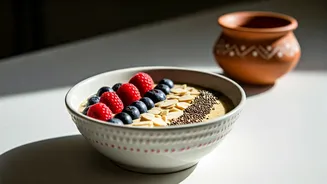
While perhaps the most visually driven trend, the smoothie bowl has found a firm footing in Indian urban homes. It's a fantastic vehicle for dense nutrition. A typical bowl might feature a blended base of banana, spinach, and yoghurt or plant-based milk. The real creativity comes with the toppings: a colourful array of local fruits like mango and chikoo, a sprinkle of granola, coconut flakes, and those aforementioned seeds. It’s a complete meal in a bowl—offering carbs for energy, protein for satiety, and a host of vitamins and minerals from the fruits and toppings. It proves that healthy food can be both delicious and beautiful.