



The Unexpected Danger in Your Breakfast Glass
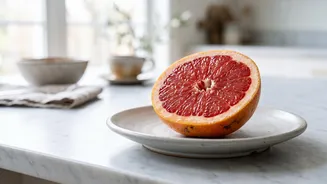
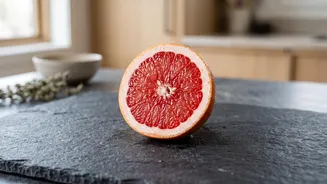
Many people are unaware that certain citrus fruits can dramatically alter the way their body processes medications. The most well-known culprit is grapefruit, but it's not alone. Seville oranges (often used in marmalade), pomelos, and tangelos can also
cause these problematic interactions. The issue isn't about acidity; it's about specific natural compounds in these fruits that interfere with the body's internal machinery for handling drugs. This interaction can either dangerously boost the concentration of a drug in your bloodstream or, in some cases, make it less effective.
How a Fruit Can 'Overdose' Your Medicine
The primary mechanism involves an enzyme in your small intestine called cytochrome P450 3A4, or CYP3A4 for short. Think of CYP3A4 as a gatekeeper that breaks down a portion of many medications before they can enter your bloodstream. This is a normal process that drug manufacturers account for when setting dosages. However, chemical compounds in grapefruit called furanocoumarins block this enzyme. When CYP3A4 is inhibited, much more of the medication passes from your gut into your blood. The result is that the drug's concentration can surge to unexpectedly high levels, essentially creating an overdose even when you've taken the correct prescribed amount.
Which Medicines Are at Highest Risk?
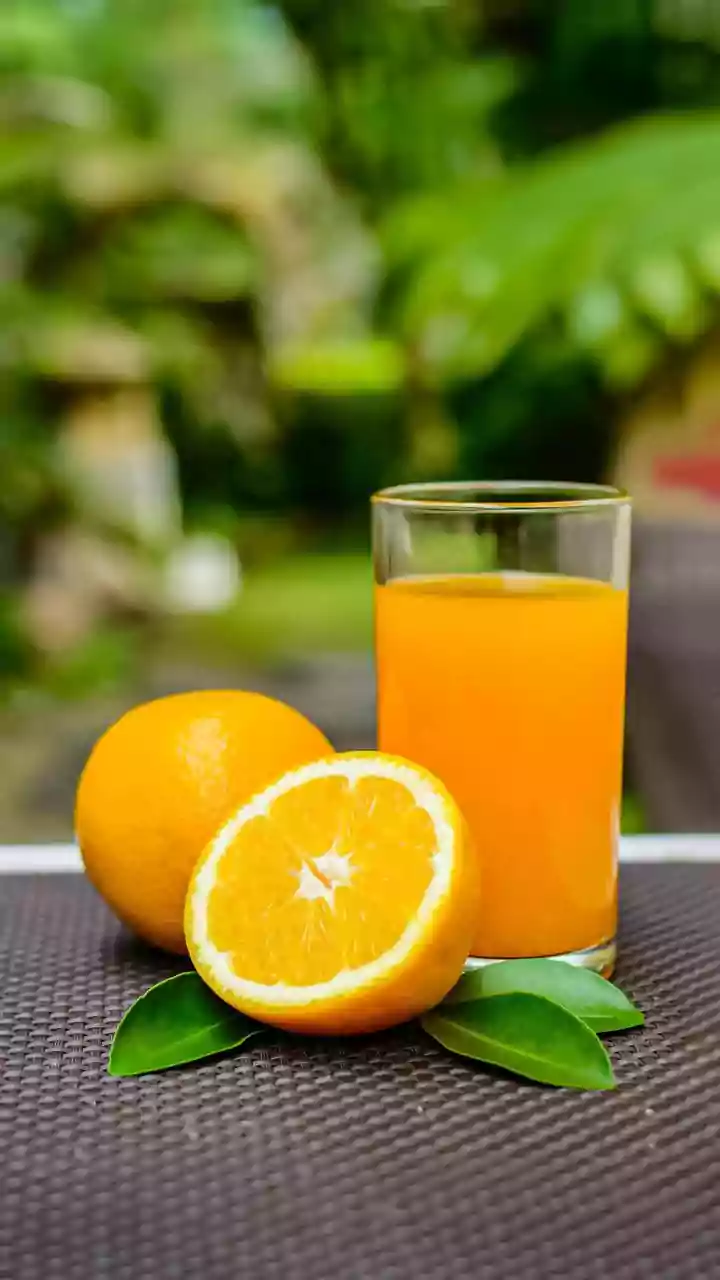
The list of medications affected by this interaction is extensive and includes many commonly prescribed drugs. Some of the most significant categories include certain statins used to lower cholesterol, such as simvastatin and atorvastatin. When combined with grapefruit, the risk of serious side effects like muscle damage and even kidney failure increases. Certain blood pressure medications, like nifedipine, can also be affected, leading to dangerously low blood pressure. Other impacted drug classes include some anti-anxiety drugs (buspirone), organ transplant medications (cyclosporine and tacrolimus), and even some antihistamines. In a twist, for some drugs like the allergy medication fexofenadine (Allegra), grapefruit and other juices like apple and orange can have the opposite effect, blocking transporters and reducing the drug's absorption, making it less effective.
It's Not Just Juice, and It's Not About Timing
This interaction isn't limited to just juice; eating the whole fruit can cause the same problem. And unfortunately, simply separating your medication and your citrus by a few hours won't solve it. The furanocoumarins' effect on the CYP3A4 enzyme is not temporary; it can last for more than 24 hours, and in some cases up to three days. This means that even an occasional glass of grapefruit juice could potentially interfere with a daily medication. The only guaranteed way to avoid the interaction is to completely avoid the offending fruits while you are on an affected medication.
How to Protect Yourself
The most critical step is communication. When you are prescribed a new medication, always ask your doctor or pharmacist specifically if there are any food or drink interactions you should be aware of. Read the patient information leaflet that comes with your prescription, as it will often contain warnings about grapefruit. Never assume a drug is safe with citrus. Because the list of interacting drugs is long and growing, and the effect can vary from person to person, professional guidance is essential. If you are taking an affected medicine, switching to a non-interacting juice like apple or regular orange juice may be an option for some drugs, but it is crucial to verify this with your healthcare provider, as some of these can also cause issues with specific medications. When in doubt, water is always the safest choice for taking your pills.