








From Daily Bread to Daily Everything
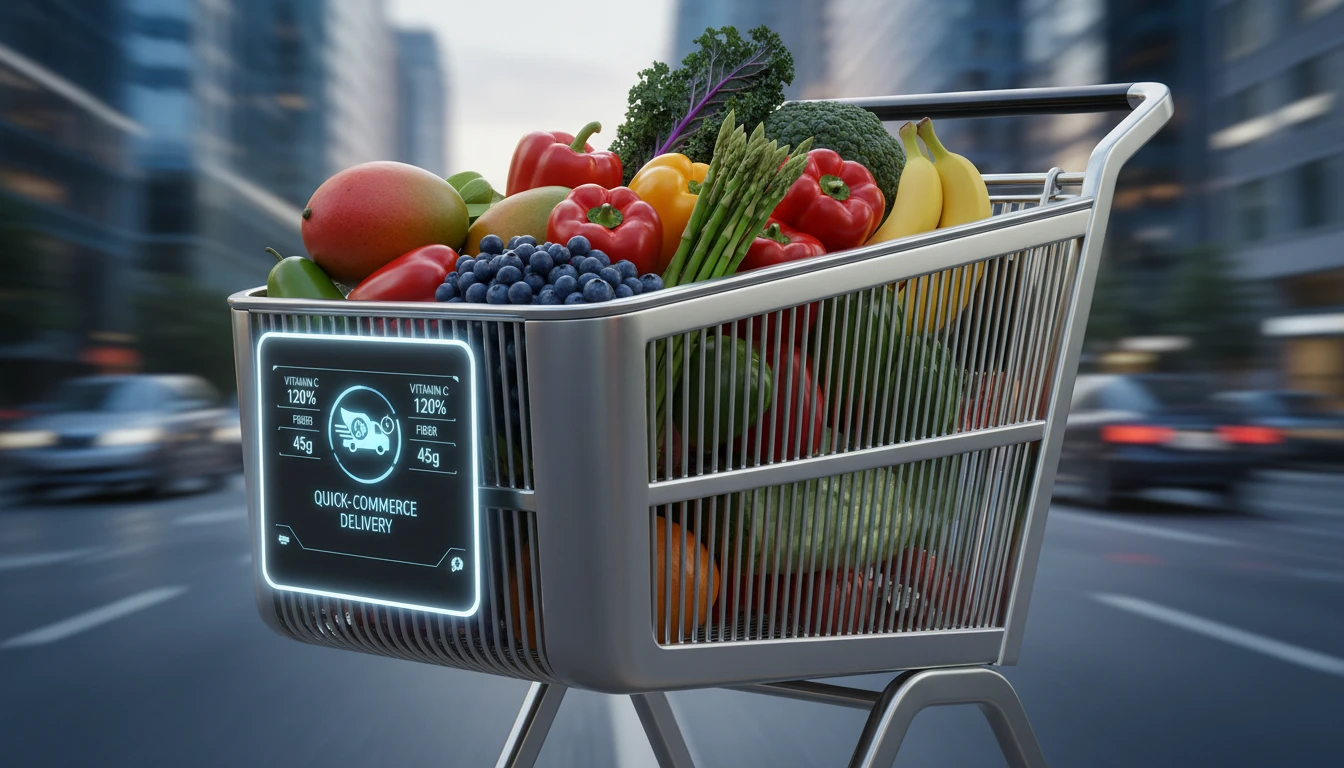
The quick commerce revolution, pioneered by platforms like Blinkit, Zepto, and Swiggy Instamart, has fundamentally altered urban consumption in India. Initially built on the promise of delivering milk, bread, and eggs in minutes, these services are now
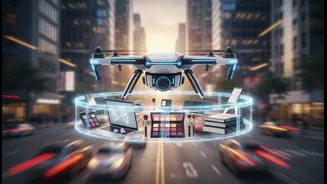
in a race to become the single app you open for almost any immediate need. The new frontier includes everything from electronics and accessories to beauty products, fashion, and home goods. This expansion is no small experiment; non-grocery items now account for a significant and growing portion of sales on these platforms, pushing them into direct competition with traditional e-commerce giants and local specialty stores alike.
The New Definition of Convenience
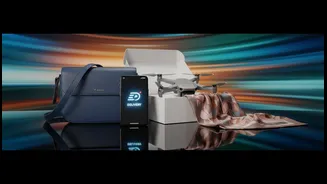
For consumers, this evolution is changing purchasing habits from planned, weekly bulk buys to spontaneous, need-based shopping. Realizing you need a new phone charger, a last-minute birthday gift, or a particular shade of lipstick no longer means a trip to the market or a two-day wait for an online order. Platforms are promising delivery of these items within the same 10-to-30-minute window they established for groceries. Swiggy Instamart, for example, is integrating its 'Mall' feature to offer products like vacuum cleaners, cookers, and even footwear. Zepto has launched pilots like 'Super Mall' for premium, high-value items, signaling a strategic move into higher-margin categories. This shift caters to a growing demand for instant gratification, especially in dense urban areas where time is a premium.
A Shake-Up for Local Retail
This expansion poses a significant challenge to the traditional retail ecosystem. Local kirana stores, which form the backbone of Indian retail, have already felt the pressure from grocery-focused quick commerce. Now, mobile phone shops, stationery suppliers, local chemists, and small apparel stores are facing a new, incredibly fast-moving competitor. Reports indicate that quick commerce platforms have already captured a substantial chunk of business from these traditional stores. While some small retailers may find opportunities to partner with these platforms, others risk being squeezed out by the convenience and competitive pricing they offer. The core of the issue is that quick commerce is not just shifting sales from other online channels; it is actively pulling customers away from physical retail.
The Engine Room: Dark Stores and Logistics
The secret to this speed is a network of 'dark stores'—small, hyperlocal warehouses located deep inside residential neighborhoods. Unlike massive e-commerce fulfillment centers on the outskirts of cities, these dark stores stock a curated list of 5,000 to 15,000 popular items, allowing for rapid picking and packing. As platforms expand into new categories like electronics and apparel, the complexity and cost of managing this inventory grows. These items have different storage needs, higher values, and a greater risk of returns or damage, which can strain the already thin margins of the quick commerce model. To handle this, companies are investing in larger dark stores and sophisticated AI to predict hyperlocal demand and optimize inventory.
The Road Ahead: Profitability and Possibility
Despite explosive growth, questions about long-term profitability remain. The operational costs of running a vast network of dark stores and a fleet of delivery partners are immense, and the cash burn for leading players has been significant. However, the move into higher-margin categories like electronics and beauty is a clear strategy to improve the financial picture. Furthermore, these platforms are becoming powerful advertising channels for Direct-to-Consumer (D2C) brands eager to reach customers instantly. The future of quick commerce will likely involve a delicate balance between expanding assortment, managing complex logistics, and finding a sustainable path to profit. For the Indian consumer, it signals a future where the gap between wanting something and having it is shorter than ever before.