






Understanding the Price Pinch
Recent data highlights a noticeable upward trend in the cost of many kitchen essentials in India. According to figures from August 2026, food inflation has been a primary driver of overall retail inflation, standing at 5.95%. This isn't a uniform increase
across all items; while some vegetables like tomatoes have become cheaper, staples crucial for festive cooking have seen sharp spikes. Prices for items like onions, garlic, ginger, sugar, and edible oils have climbed significantly over the past year. Experts point to a combination of factors, including uneven monsoon rains affecting crop output and global commodity pressures. This means the ingredients for your favourite festive sweets and savouries are likely to cost more this year, making a well-thought-out plan more crucial than ever.
Create a Detailed Festive Budget
The first step to managing costs is to know exactly what you're up against. Don't go into the festive season with a vague idea of your spending; create a detailed budget specifically for food. Start by listing all the meals, snacks, and sweets you plan to make. Estimate the number of guests you'll be hosting for each occasion. From there, break down each recipe into its core ingredients and list the quantities needed. This exercise transforms a generic "grocery shopping" task into a precise list, allowing you to see exactly where your money is going. Setting a clear spending cap before you shop helps you resist impulse buys and stay focused on what you truly need. Having an open discussion with your family about the budget can also help manage expectations and share the responsibility.
Shop Smart, Not Last-Minute
Panic buying is the enemy of a tight budget. Most households tend to shop for festive items in the final week, which is precisely when demand peaks and prices for items like sugar, ghee, and dry fruits can jump. To avoid this premium, split your shopping into phases. Purchase non-perishable staples like grains, lentils, spices, and sugar two to three weeks in advance. This not only saves you from last-minute price hikes but also spreads the cost over a longer period. For fresh produce, plan your purchases closer to the day of cooking. Before heading out, compare prices between local kirana stores, supermarkets, and online apps. Many e-commerce platforms have festive sales, but be wary of deals that tempt you to buy things not on your list.
Embrace Local and Seasonal Produce
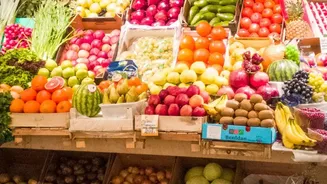
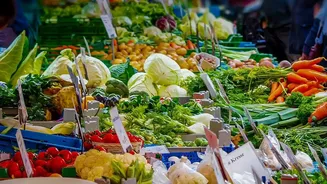
One of the most effective ways to cut costs is to align your menu with what is fresh, local, and in season. Out-of-season vegetables and imported fruits come with a hefty price tag due to transportation and storage costs. Instead, explore your local mandi or farmer's market for produce. Not only is it often cheaper and fresher, but it also supports local growers. Planning your menu around seasonal ingredients can be a creative and rewarding challenge. For instance, if carrots are abundant and affordable, consider making gajar ka halwa instead of a dessert that requires more expensive ingredients. This simple switch can lead to significant savings without compromising on the festive spirit.
Cook Strategically and Reduce Waste
Your kitchen can be your greatest ally in the fight against rising food costs. A common festive pitfall is over-catering, which leads to food waste and, by extension, wasted money. Be realistic about portion sizes when planning your menu. If you do have leftovers, think of creative ways to repurpose them for the next day's meal. Another effective strategy is to prepare some items at home instead of buying ready-made versions. Sweets and snacks, for example, can be much cheaper to make from scratch. If you're hosting a large get-together, consider a potluck where each guest brings a dish. This not only reduces your financial burden and workload but also adds a wonderful variety to the feast.