


Ravichandran Ashwin: The Analyst
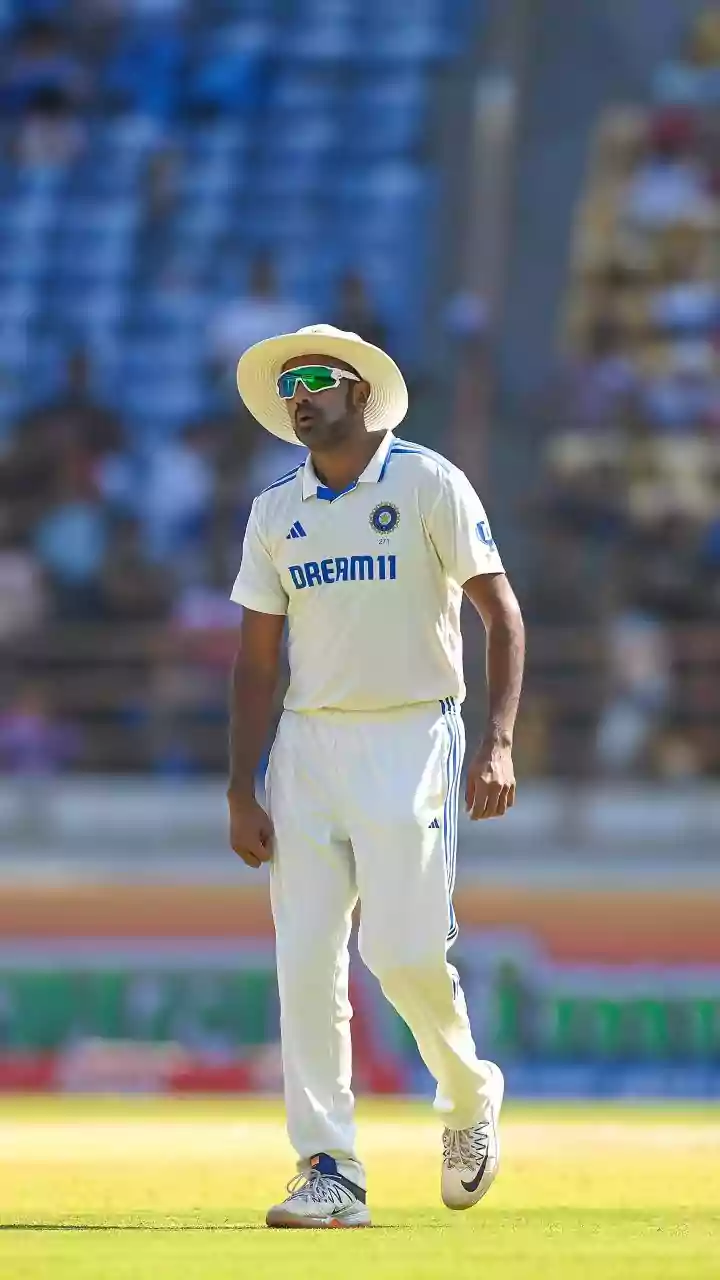
Few cricketers dissect the game with the analytical rigour of Ravichandran Ashwin. His approach to spin bowling is less an art and more a science, involving constant innovation and a deep study of his opponents. This intellectual curiosity is the bedrock
of a great coach. Already, Ashwin shares his tactical breakdowns on his own channels, explaining complex strategies in an accessible way. He possesses an uncanny ability to read the game and articulate his thoughts clearly, a skill that separates good players from great teachers. A coach must be a student of the game, and Ashwin has proven time and again that he is a master scholar, constantly refining his technique and thinking several steps ahead. His potential transition into coaching seems not just likely, but inevitable.
Kane Williamson: The Composed Tactician
If coaching is about staying level-headed under immense pressure, then Kane Williamson has been preparing for the role his entire career. Renowned for his calm demeanour and tactical intelligence, the New Zealand batsman leads with a quiet authority that commands immense respect. He consistently gets the best out of his teams, often making them punch above their weight through shrewd on-field decisions. Former coach Mike Hesson has praised Williamson for his beautiful assessment of conditions and his ability to manoeuvre players without letting the game drift. This combination of a sharp cricketing brain, empathy for his teammates, and an unflappable temperament makes him a natural fit for a mentoring role. He leads by example, proving that you don't need to be the loudest voice in the room to be the most effective leader.
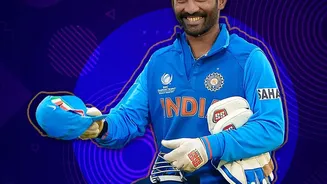
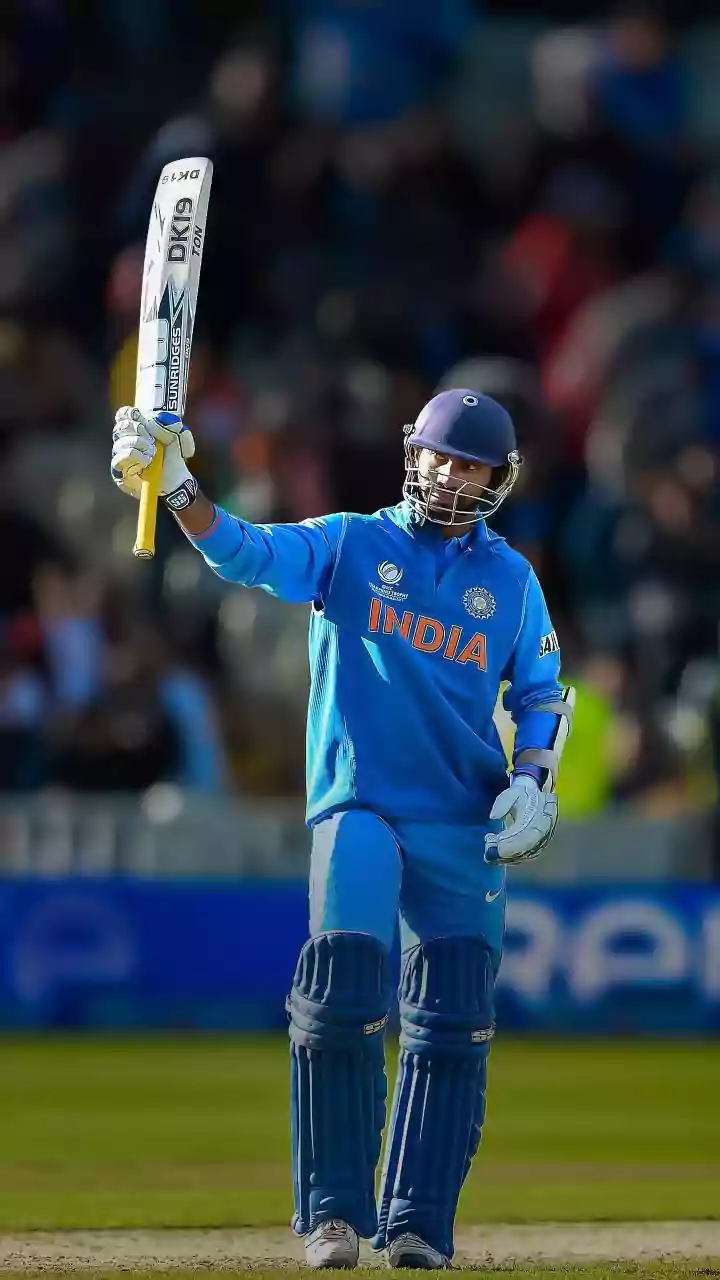
Dinesh Karthik: The Modern Communicator
Dinesh Karthik has enjoyed a late-career renaissance, not just as a finisher but as one of cricket's most insightful commentators. His work behind the microphone has revealed a sharp, modern and articulate cricketing mind. Having played for nearly two decades, he has a deep understanding of the game's evolution across formats. Karthik has expressed his desire to break the stereotype that commentary is only a post-retirement option, showing a proactive approach to shaping the sport's narrative. He explains the game from a player's perspective, detailing the pressures and thought processes involved in real-time. This ability to communicate complex ideas with clarity, combined with his recent experience as a mentor and batting coach for IPL and Hundred teams, has already laid the groundwork for a successful coaching career.
Rohit Sharma: The Man-Manager
Rohit Sharma’s captaincy is built on a foundation of trust and exceptional man-management. Teammates and analysts praise his ability to keep the dressing room environment light while backing his players unconditionally, even during lean patches. This skill is crucial for a coach, who must foster confidence and unity. While tactically strong, Rohit’s greatest strength lies in his communication and emotional intelligence. He is known for taking responsibility for failures and protecting his players from criticism, qualities that build fierce loyalty. He empowers his players, giving them the freedom and confidence to perform. This knack for getting the best out of individuals, from seasoned veterans to young rookies, is a hallmark of an elite coach who understands that a team's spirit is as important as its strategy.
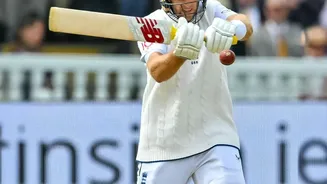
Ben Stokes: The Inspirer
Leadership is often about inspiration, and few active cricketers are more inspirational than Ben Stokes. His captaincy of England's Test side has been defined by a positive, aggressive mindset that transformed the team's fortunes. He leads from the front, demanding 100% effort and demonstrating it with his own performances. While his all-action style might seem purely instinctive, it's rooted in a philosophy of empowerment, giving players the freedom to play without fear. A great coach needs to be able to change a team's culture and mentality, and Stokes has proven he can do just that. His ability to rally his troops and his sheer will to win, even from impossible situations, are qualities that could make him a formidable and transformative figure in a coaching role, capable of turning any team into fighters.