







The Invisible Culprit: Ethylene Gas
Ethylene is a colorless, odorless gas that most fruits and vegetables produce as they ripen. Often called the 'ripening hormone', its job is to signal produce to soften, change color, and develop flavor. For example, it’s what helps a hard, green avocado
become perfectly creamy. The problem arises in the enclosed space of your refrigerator drawer. As certain fruits release this gas, it gets trapped, creating a concentrated cloud that bombards everything else in the drawer. This accelerates ripening and, eventually, spoilage, turning your fresh produce into food waste before you get a chance to eat it.
How Ethylene Absorbers Work
Ethylene-absorbing packs are simple devices designed to combat this problem. They typically come as small sachets or pods that you place directly in your crisper drawer. Inside these packs are minerals that trap and neutralize the gas. The most common active ingredients are potassium permanganate and activated carbon or zeolite. Potassium permanganate is a powerful oxidizer that reacts with ethylene, breaking it down into harmless water and carbon dioxide. Activated carbon and zeolite have incredibly porous structures that act like a sponge, adsorbing the ethylene molecules and locking them away so they can no longer affect your produce. By removing the gas from the air, these absorbers effectively slow down the ripening process for nearby items.
Know Your Produce: Emitters vs. Sensitives
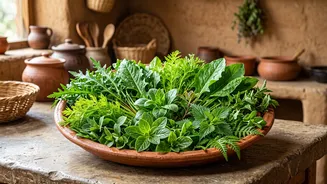
The key to smart produce storage is knowing which items are high ethylene producers and which are highly sensitive to it. Storing these two groups separately is one of the most effective ways to prolong freshness. High ethylene-producing fruits include apples, bananas, avocados, stone fruits (peaches, plums), melons, and tomatoes. These are the items that release a lot of the ripening gas. On the other side are the ethylene-sensitive vegetables and fruits. This group includes leafy greens (lettuce, spinach), broccoli, carrots, cucumbers, asparagus, and herbs. When exposed to ethylene, these items will yellow, wilt, or develop bitter flavors much more quickly. Placing an ethylene absorber is most effective where you store these sensitive items, or in a mixed-produce drawer where separation isn't possible.
Making the Most of Your Crisper
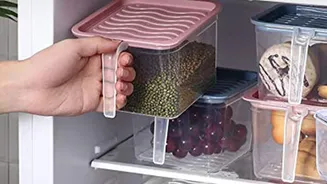
Using an ethylene absorber is a great step, but it works best as part of a broader strategy. Many refrigerators have crisper drawers with adjustable humidity vents. A good rule of thumb is to set one drawer to 'high humidity' for ethylene-sensitive items like leafy greens, which helps prevent them from drying out. The other drawer can be set to 'low humidity' for the ethylene producers like apples and pears, which allows the gas they produce to vent. Placing an ethylene absorber in the drawer with the sensitive produce provides an extra layer of protection. Avoid over-packing your drawers, as good air circulation is needed for both the refrigerator's cooling system and the ethylene absorber to work effectively.
Are They Worth the Investment?
For households that frequently find themselves throwing away spoiled produce, ethylene absorbers can be a worthwhile investment. They directly tackle a primary cause of premature decay, helping to reduce food waste and save money over time. However, they are not a magic bullet. These packs won't reverse spoilage that has already begun, nor will they fix problems caused by improper temperature or physical damage. Think of them as one powerful tool in your food preservation toolkit. When combined with smart shopping habits (buying only what you need) and proper storage techniques (like separating producers from sensitive items), these absorbers can noticeably extend the life of your fruits and vegetables, keeping them fresh, crisp, and ready to eat for longer.