


Dispelling the Monsoon Myth
Many travellers assume that wildlife destinations shut down completely during the monsoon. While it's true that the core zones of most major tiger reserves in Central and Northern India close from roughly July to September to allow for vegetation regeneration
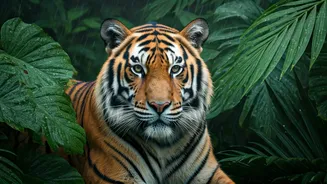
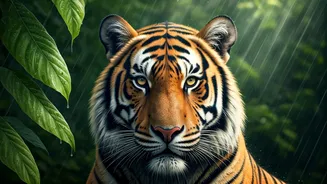
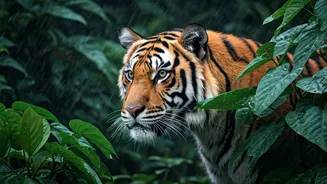
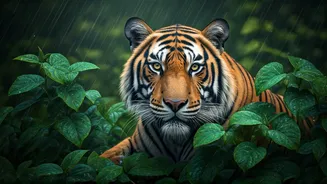
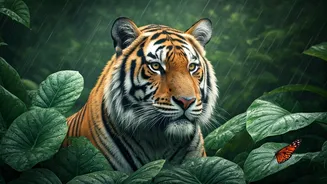
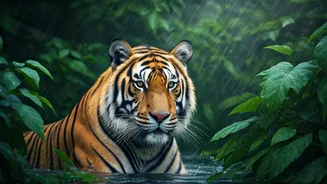
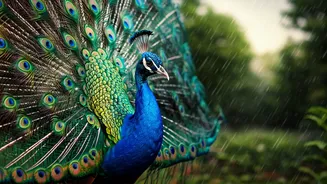
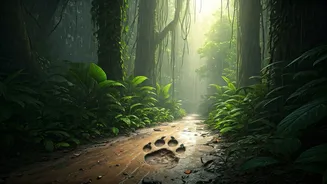
and to avoid impassable tracks, the story doesn't end there. Several parks remain fully or partially open, particularly in the south and west. Moreover, the buffer zones of many famous parks offer a completely different, and often richer, monsoon experience. The landscape transforms from a parched brown to a thousand shades of emerald, rivers swell, and the air is thick with the scent of wet earth and the chorus of insects and frogs. It's a time for photographers, nature lovers, and those seeking solitude.
Periyar National Park, Kerala
Arguably the best all-season wildlife destination in India, Periyar in Kerala truly comes alive in the rains. The park never closes, and its primary mode of exploration—boating on Periyar Lake—becomes even more enchanting. The surrounding hills are draped in mist, and the forests are a startling, fresh green. Elephants, sambar deer, and gaur are often seen along the lake's edge, their dark hides glistening against the lush backdrop. The monsoon is also a fantastic time for birdwatching, as the rain brings out a plethora of insects, attracting resident and migratory birds. The experience is less about chasing tigers and more about immersing yourself in a living, breathing ecosystem at its most vibrant.
Keoladeo National Park, Rajasthan
While Rajasthan is synonymous with arid landscapes, the monsoon transforms Keoladeo (formerly Bharatpur Bird Sanctuary) into a watery wonderland. This UNESCO World Heritage site becomes a thriving wetland, attracting its famed resident bird species, which begin their breeding activities. You can witness painted storks, herons, cormorants, and spoonbills nesting and raising their young. The park is best explored on a cycle rickshaw, with knowledgeable guides pointing out species you might otherwise miss. The symphony of bird calls, combined with the croaking of frogs and the dramatic monsoon sky, creates an unforgettable auditory and visual spectacle. It's proof that a desert state holds one of the country's best monsoon secrets.
Jim Corbett National Park, Uttarakhand (Buffer Zones)
While the core zones like Dhikala and Bijrani close, the buffer zones of India's oldest national park, such as Jhirna and Dhela, remain open to visitors. A monsoon safari here is a completely different adventure. The forest is dense, the air is cool, and the Ramganga River runs full and fast. Sightings might be less frequent due to the thick foliage, but the experience is more atmospheric. This is the perfect time to appreciate the smaller wonders: the vibrant fungi sprouting on fallen logs, the chorus of cicadas, and the sudden flight of a Great Hornbill. The chances of spotting elephants are high, and the rain-washed landscape provides a stunning canvas for any wildlife that does make an appearance.
Tadoba Andhari Tiger Reserve, Maharashtra (Buffer Zones)
Tadoba is famous for its high density of tigers, but a monsoon visit to its buffer zones reveals another side of this premier park. While the core area is closed, safaris continue in the buffer zones, which are teeming with life. The forest floor becomes a carpet of green, and the waterholes are full. This is a fantastic time to see wild dogs (dholes) on the move or a herd of gaur grazing in the verdant meadows. The tigers, though harder to spot in the dense undergrowth, are still present. A monsoon trip here is for the patient observer who appreciates the jungle's holistic beauty, not just the chase for big cats. The reduced tourist traffic also means a more peaceful and intimate connection with nature.