



The Problem with Portable Breakfasts
We’ve all been there. You expertly craft a delicious breakfast wrap, only for it to betray you on the commute. A drip of salsa on your shirt, a smear of egg on your fingers, or the entire structural integrity collapsing after the first bite. The dream
of a handheld meal quickly becomes a juggling act. This is because a wrap’s portability is only as good as its fold. Without a secure technique, fillings can shift, moisture can weaken the tortilla, and the whole thing can unravel, turning a convenient meal into a frustrating mess. The solution lies not in skimping on fillings, but in mastering the art of the fold.
A Step-by-Step Guide to the Perfect Fold
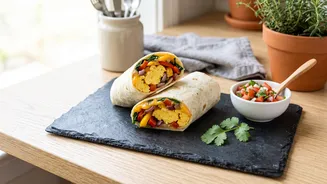
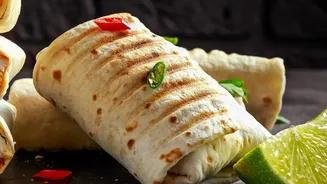
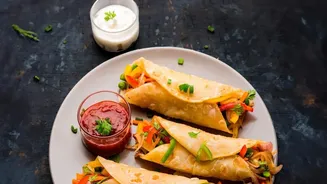
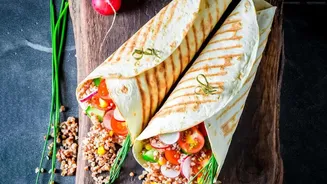
Creating a leak-proof wrap is a skill that transforms your morning routine. The most reliable method is the classic 'burrito roll'. Start by warming your tortilla for about 15-20 seconds in a microwave or a dry pan; a pliable tortilla is less likely to tear. Place your fillings in the lower third of the tortilla, leaving a few inches of space on the sides and bottom. Don't overfill it—that's a common mistake that leads to bursting. Next, take the left and right sides of the tortilla and fold them inward over the edges of the filling. Then, take the bottom edge of the tortilla (the flap closest to you) and pull it up and over the filling, tucking it in snugly. This initial tuck is crucial for a tight roll. From there, continue rolling the wrap away from you, keeping it tight as you go. The end result is a compact, sealed cylinder that keeps all the deliciousness inside.
Smart Filling Strategies for Less Mess
The secret to a travel-friendly wrap also lies in its contents. While saucy fillings are delicious, they are the primary culprits for a soggy tortilla. If you're adding salsa or another wet ingredient, try to drain off excess liquid first. Another pro tip is to use cheese as a barrier. Placing a layer of shredded cheese down first, or on top of wet ingredients, can help create a moisture-proof layer that protects the tortilla. When it comes to eggs, scramble them soft but not wet. Dry, crumbly eggs can fall out easily, while overly wet eggs will lead to sogginess. Vegetables should also be cooked until tender, as hard, raw veggies can poke through the wrap. Think about layering—place drier ingredients like potatoes or beans near the tortilla and wetter ones in the middle.
The Meal-Prep Advantage
The true beauty of the breakfast wrap is its suitability for meal prep, saving you precious time on busy mornings. You can prepare a batch of burritos on a Sunday to have breakfast ready for the week. Once assembled and rolled, wrap each burrito individually. Many sources suggest wrapping in parchment paper first, then a layer of aluminum foil. The parchment prevents the tortilla from getting soggy or sticking to the foil, especially if you plan to reheat it. These individually wrapped burritos can be stored in the refrigerator for up to four days or in a freezer-safe bag for up to three months. When you're ready to eat, you can reheat a refrigerated wrap in the microwave, or a frozen one in the oven or air fryer for a crispier finish. Labeling the wraps with the date and contents is a great way to keep your freezer organized.