





The Rise of India's 'Other' Cities
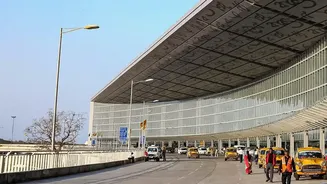
For decades, international travel from India meant flying out of megacities like Delhi or Mumbai. That's rapidly changing. The real story is the explosive growth of India's Tier-2 and Tier-3 cities—places like Ahmedabad, Coimbatore, Indore, and Bhubaneswar.
These are no longer provincial backwaters; they are burgeoning economic engines with rising discretionary incomes and a new, aspirational middle class eager for their first international passport stamp. A recent report highlighted that while metro cities provide volume, these regional hubs are showing significantly faster growth in travel, including international trips. This economic decentralization means millions of new consumers are entering the global travel market, and they aren't starting their journeys in the traditional hubs.
The Low-Cost Carrier Connection
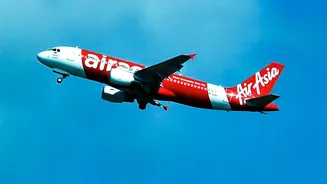
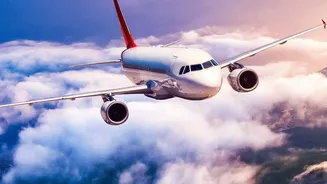
This boom wouldn't be possible without a crucial enabler: the budget airline. Low-cost carriers like IndiGo, Air India Express, and especially the rapidly expanding VietJet Air are aggressively launching direct routes from these regional Indian cities to destinations across Southeast Asia. These airlines have perfected a model that bypasses the old hub-and-spoke system, connecting places like Tiruchirappalli to Singapore or Jaipur to Bangkok directly. By eliminating the need for a time-consuming and often expensive domestic transfer, they have made international travel more convenient and affordable than ever before for a massive new demographic. Airlines are betting big, with some carriers expanding from a handful of routes to over a dozen, creating a robust network between the two regions.
Southeast Asia's Irresistible Allure
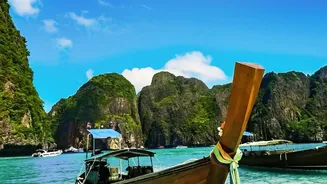
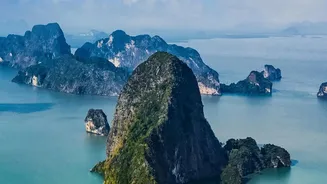
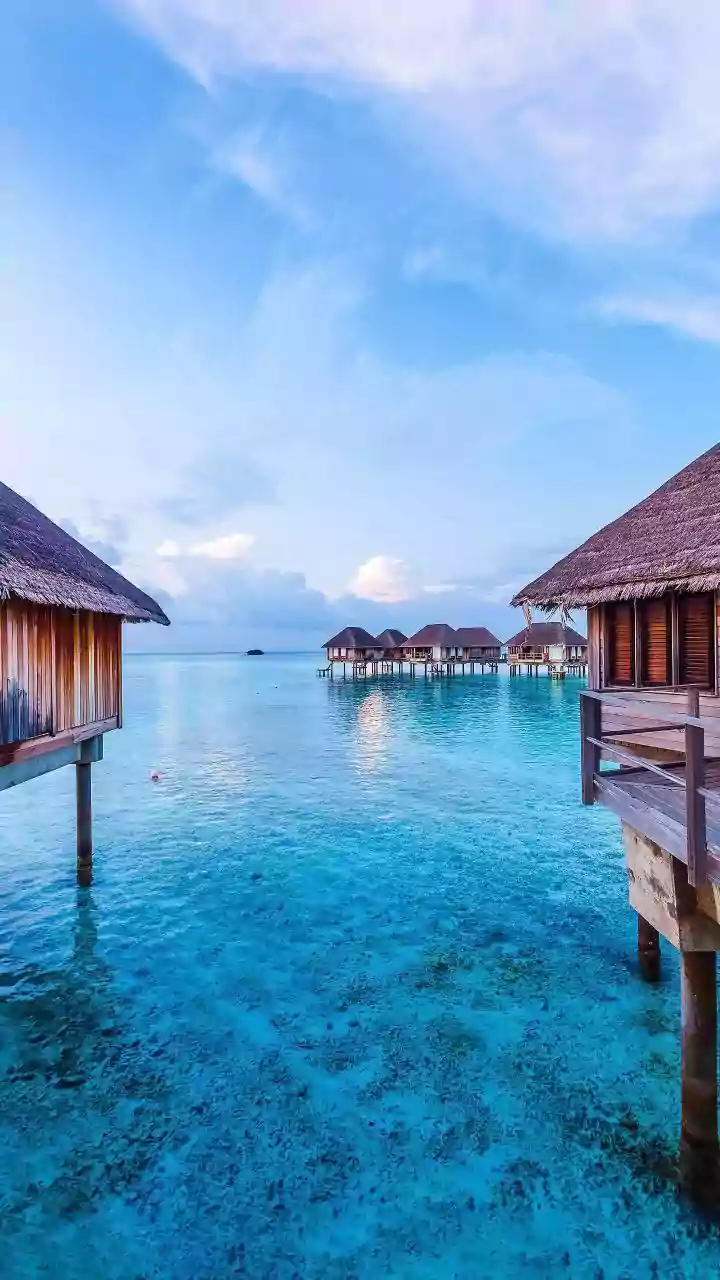
So why Southeast Asia? It’s the perfect starter pack for the new Indian globetrotter. The region offers a compelling mix of proximity, affordability, and cultural familiarity. For many, a 4-6 hour flight to Thailand or Malaysia feels far more manageable than a long-haul journey to Europe or the U.S. Furthermore, countries like Thailand, Malaysia, and Sri Lanka have aggressively courted Indian tourists with simplified or visa-free entry policies. This removes a significant bureaucratic and financial hurdle, making spontaneous trips possible. The final piece of the puzzle is value. Travelers find that their money goes further, allowing for high-quality experiences—from five-star hotels to unique local tours—at a fraction of the cost of Western destinations.
A New Kind of Traveler
This isn't just a story about numbers; it's about a shift in mindset. For years, Southeast Asia was seen as the quick, practical, and cheap option. While the convenience remains, the motivation is evolving. Indian travelers, particularly from these emerging cities, are increasingly seeking deeper, more immersive experiences. The trend is moving away from whirlwind tours of major landmarks and toward slower, more intentional travel. They are staying longer and looking for authentic cultural exchanges, from cooking classes in Hoi An to exploring the less-crowded beaches of Nusa Dua. This reflects a maturing travel market where the experience itself, not just the destination, is the primary draw.