







The steady hum of rising fuel prices is a familiar source of stress for urban Indians. As petrol crosses the ₹110 mark in many cities, the daily commute is becoming a significant financial drain. But what if the solution is simpler and cheaper?
The Soaring Cost of a Commute
For the
average city dweller, a personal vehicle is less a luxury and more a necessity. However, this necessity comes with a steep and ever-increasing price tag. As of early November 2026, petrol prices hover around ₹102 per litre in Delhi, ₹111 in Mumbai, and over ₹115 in Hyderabad. A daily commute of 20-30 kilometres in a car or on a motorcycle quickly adds up, consuming a substantial portion of a monthly budget. A conservative estimate for owning a commuter motorcycle, including fuel, EMI, and maintenance, can easily breach ₹6,000 per month. For a small car, this figure can jump to over ₹15,000 per month when accounting for annual service costs, which can range from ₹5,000 to over ₹8,000, insurance, and inevitable repairs. This relentless financial pressure forces many to seek more affordable alternatives, and the humble bicycle is emerging as a powerful contender.
The Bicycle: An Economic Powerhouse
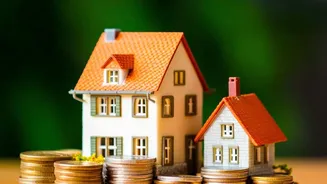
The financial argument for cycling is overwhelmingly strong. While high-performance cycles can be expensive, a reliable, sturdy bicycle suitable for city commuting can be purchased for a fraction of the cost of a motorised vehicle. The initial investment is where the savings begin, but the real magic lies in the running costs—or lack thereof. There is no petrol to buy, no engine oil to change, and no expensive insurance premiums to pay. Annual maintenance for a bicycle, involving tasks like brake adjustments and chain lubrication, is minimal. Over a five-year period, the total cost of owning a motorcycle can run into lakhs, with fuel alone potentially costing over ₹1 lakh for a regular commuter. In stark contrast, a bicycle's ownership cost is negligible, freeing up significant funds for savings, investments, or other household needs.
More Than Money: A Daily Health Investment
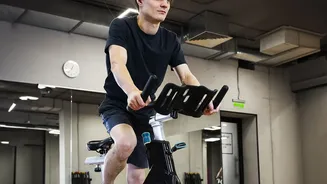
The benefits of cycling extend far beyond your wallet. Adopting cycling as a daily habit is a potent form of exercise that integrates seamlessly into your routine. Regular cycling is an aerobic activity that improves cardiovascular fitness, strengthens muscles, enhances flexibility, and can help manage weight. Studies have shown that even 20-30 minutes of moderate cycling a few times a week can lead to significant health improvements, including a reduced risk of serious conditions like heart disease, diabetes, and certain cancers. Furthermore, it has a profound impact on mental well_being. The physical activity helps decrease stress levels, reduce anxiety, and combat symptoms of depression, offering a mental reset during the daily commute.
Navigating the Urban Reality
Of course, cycling in a bustling Indian city is not without its challenges. Concerns about traffic, safety, pollution, and a lack of dedicated cycling lanes are valid. Many urban roads are designed primarily for motor vehicles, and cyclists often feel vulnerable. However, the situation is gradually changing. Spurred by initiatives like the India Cycles4Change Challenge, more than 100 cities are now working towards creating safer infrastructure, including pop_up and permanent cycling lanes. For new cyclists, the key is to start smart. Plan your route to use quieter back roads where possible, invest in a good helmet and reflective gear, use lights at night, and always remain aware of your surroundings. Many cities now have growing cycling communities that share tips on safe routes and group rides, providing a network of support for newcomers.
An Eco_Friendly Bonus
In an era of growing environmental consciousness,' choosing to cycle is also a vote for a cleaner planet.' Each kilometre cycled is a kilometre not driven in a fossil_fuel_powered vehicle.' This personal choice contributes to reducing air pollution and lowering the collective carbon footprint.' While individual impact may seem small,' a collective shift towards active travel can lead to significant improvements in urban air quality.' Government bodies and advocacy groups increasingly recognise cycling as a key part of building sustainable,' people_friendly cities for the future.