

More Than Just a Workout
For a growing number of young people, fitness is no longer just about building muscle or losing weight. It’s about finding a deeper connection—to their bodies, their minds, and their culture. This search for authenticity has sparked a renaissance of traditional
Indian fitness practices, but with a distinctly modern flavour. Instead of choosing between a high-intensity interval training (HIIT) class and a quiet yoga session, they are asking: why not have both? This has led to the rise of hybrid fitness forms that combine the functional power of ancient disciplines with the energy and efficiency of contemporary workout styles. It is a shift away from purely Western fitness models toward something more holistic and culturally resonant, valuing functional strength, mobility, and mental clarity alongside physical aesthetics.
Yoga Reimagined for a New Generation
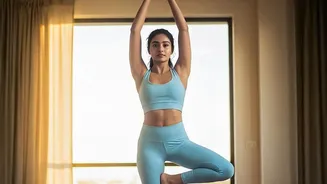
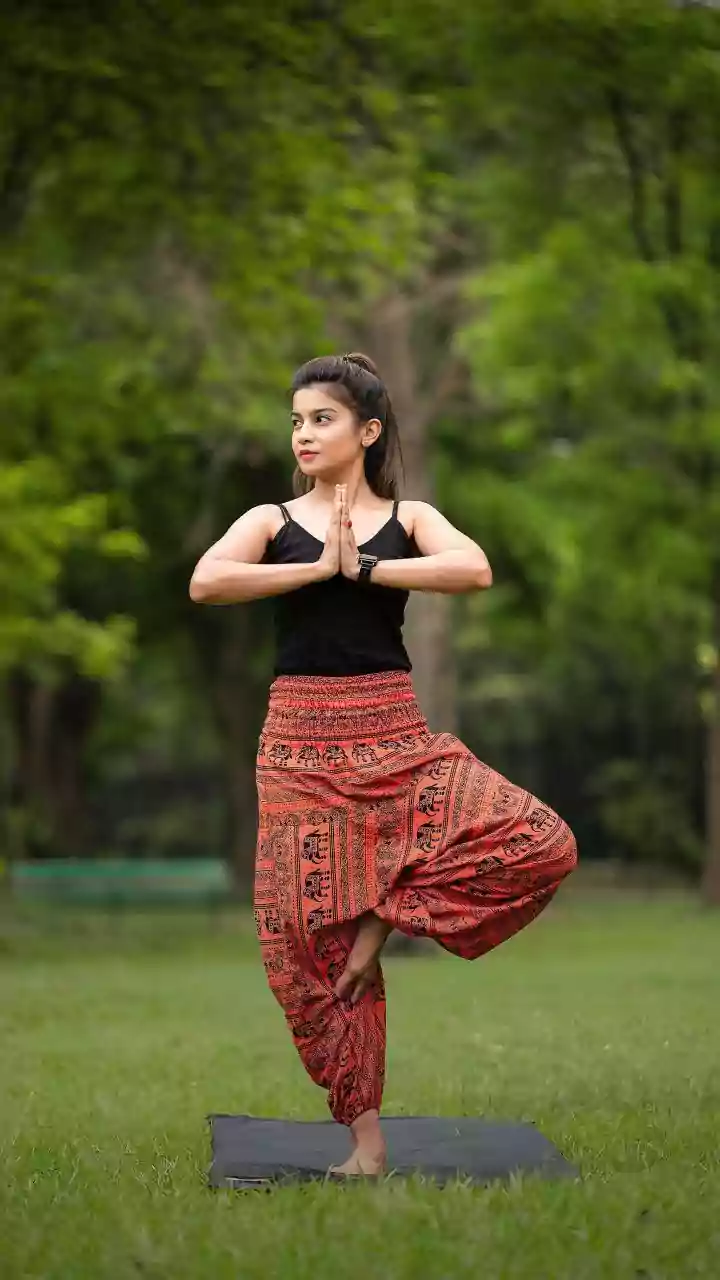
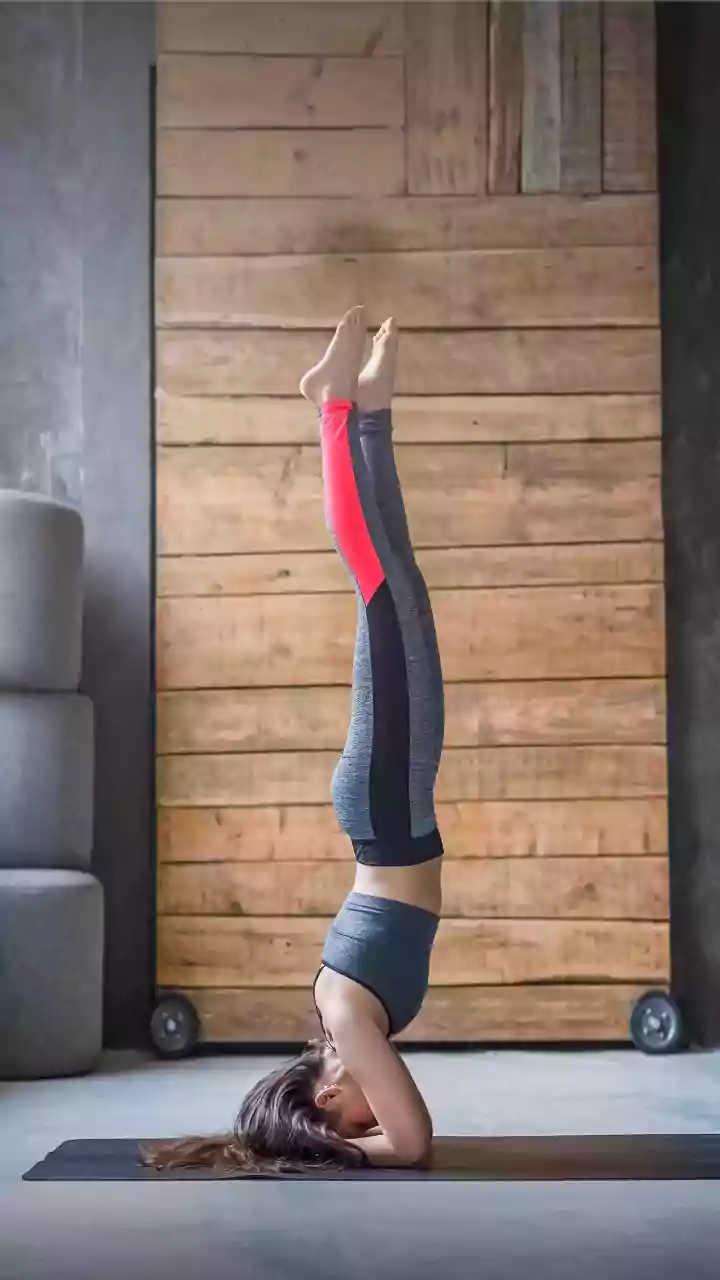
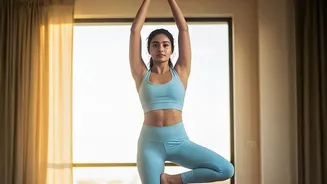
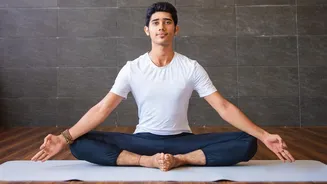
Yoga is the most globally recognised Indian wellness export, but its modern incarnation in India goes beyond quiet meditation and gentle stretches. Studios across the country are now offering 'fusion yoga', which blends traditional asanas with other fitness disciplines. Imagine a class that starts with mindful breathwork, flows into dynamic sun salutations, and then ramps up with Pilates-inspired core exercises or high-energy cardio bursts. There's dance yoga, which combines choreography with vinyasa flows, and even strength-focused yoga that incorporates resistance bands and dumbbells. This approach makes yoga accessible to those who might find the traditional practice too slow, offering a full-spectrum experience that builds strength and cardiovascular health without losing the mindful essence of the practice.
The Way of the Warrior
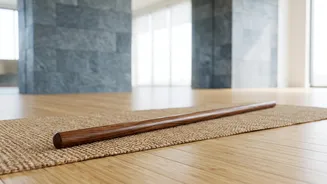
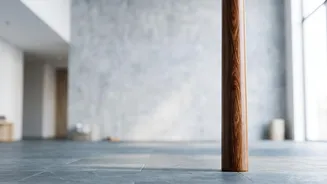
It’s not just yoga getting a modern makeover. Ancient martial arts are stepping out of history and into today's fitness studios. Kalaripayattu, a martial art from Kerala considered one of the oldest in the world, is gaining immense popularity as a full-body conditioning system. Its dynamic routines, inspired by the movements of animals, build incredible flexibility, strength, and agility. Trainers are packaging it as 'the original movement training', an answer to sedentary modern lifestyles that cause stiffness and poor posture. Similarly, Silambam, a Tamil martial art based on staff fighting, is being embraced by young people not just for self-defence but as a chic and powerful workout that improves coordination, burns calories, and sharpens mental focus.
Ancient Tools, Modern Gains
The revival also includes the tools once wielded by pehelwans (wrestlers) in traditional akharas. The gada (mace) and mudgar (Indian clubs) are making a serious comeback. Once used to build functional strength for combat, these tools are now being integrated into modern functional fitness circuits. Swinging a heavy gada or a pair of mudgars builds phenomenal shoulder stability, grip strength, and rotational core power—benefits not easily achieved with standard dumbbells. Entrepreneurs are designing sleeker, modern versions of these tools and creating online tutorials, making them accessible beyond the wrestling pit and introducing them to a new generation of fitness enthusiasts on social media.
A Search for Roots and Results
So, why is this trend happening now? It's a combination of factors. There's a growing sense of cultural pride and a desire to connect with Indian heritage in a way that feels relevant to modern life. The holistic nature of these practices, which emphasize the mind-body connection, resonates deeply in a post-pandemic world where mental well-being is as important as physical fitness. Furthermore, the visual and dynamic nature of arts like Mallakhamb (pole gymnastics) and Kalaripayattu makes them perfect for the Instagram era, where aesthetics and performance are celebrated. This blend of cultural identity, holistic wellness, and social media appeal has created the perfect environment for these ancient forms to thrive.