



A Gift from Halley's Comet
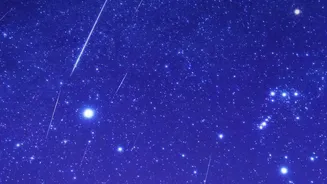
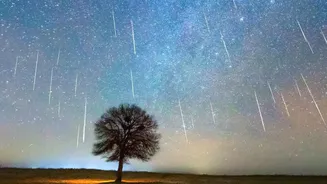
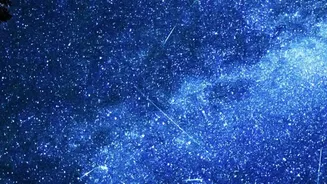
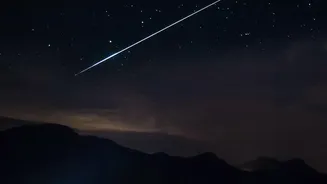
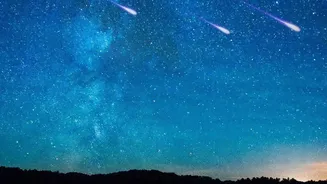
So, what exactly are we seeing when a 'shooting star' zips across the sky? The Orionid meteor shower happens every October when Earth passes through the trail of cosmic dust and ice left behind by one of the most famous comets in history: Halley's Comet.
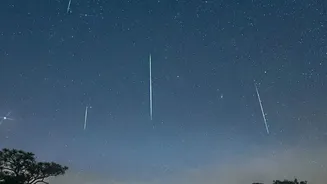
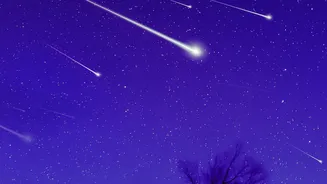
While the comet itself only visits our neighbourhood every 76 years—its next appearance is in 2061—it has left behind a stream of debris. When these tiny, often sand-grain-sized particles hit our atmosphere at incredible speeds of around 66 kilometres per second, they burn up, creating the brilliant streaks of light we call meteors. They are known for being particularly fast and bright, sometimes leaving behind glowing trails that can linger for a few moments.
Best Viewing Times for 2026
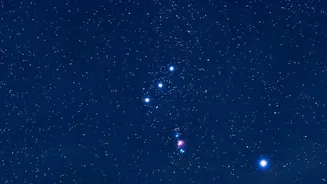
The Orionids are active from early October to early November, but the best time to watch is during the peak. For 2026, the peak nights are October 21 and 22. The one challenge this year is the Moon; a bright waxing gibbous Moon will light up the sky for much of the night. However, there is a perfect window of opportunity. The Moon will set around 3 a.m. local time on those mornings, leaving the sky dark until dawn. The ideal time to start watching is in these pre-dawn hours, when the shower's radiant point in the constellation Orion is high in the sky, maximising your chances of seeing the most meteors.
Why Your Eyes Are the Best Tools
The headline is true: you absolutely do not need a telescope or binoculars. In fact, they would hinder your experience. Meteors can appear anywhere in the vastness of the night sky, and their paths are unpredictable. Using a telescope restricts your field of view to a tiny patch of sky, meaning you'd likely miss most of the action. The best way to watch a meteor shower is with your own two eyes, allowing you to take in as much of the sky as possible. Your goal is to scan the heavens, not to focus on a single point.
Tips for Urban and Suburban Viewers
Watching from a city presents the obvious challenge of light pollution, which can wash out fainter meteors. But don't be discouraged. While a trip to a truly dark, rural site will always yield more sightings, you can still enjoy the show from closer to home. Find the darkest spot you can—a park, a sports field, or even a backyard with minimal direct light. Try to position yourself where buildings or trees can block the worst of the nearby streetlights. The most crucial step is to give your eyes time to adjust. It takes about 20 to 30 minutes for your pupils to fully dilate and adapt to the darkness, allowing you to see much fainter objects. During this time, put your phone away. A single glance at a bright screen will reset your night vision.
Comfort and Patience Are Key
Meteor watching is an exercise in patience. Don't expect a constant fireworks display. In a dark location, the Orionids can produce about 15 to 20 meteors per hour during their peak, but from a city, the number will be lower. There may be lulls of several minutes with no activity, followed by a sudden, brilliant streak. The best approach is to get comfortable. Lie back on a blanket or a reclining chair so you can look straight up without straining your neck. Dress in warm layers and consider bringing a flask of a warm beverage. The more comfortable you are, the longer you'll be willing to watch, and the more you'll ultimately see. Instead of a quick peek, make an event of it and simply enjoy the quiet moments spent looking up at the night sky.