



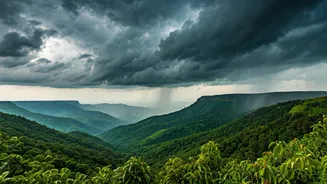




The New Reality of Rainy Season Travel
The beloved Indian monsoon is changing. While off-season travel to coastal destinations like Goa, Kerala, and the Andamans once meant predictable showers and great deals, climate change has made the season more volatile. Scientific studies confirm that
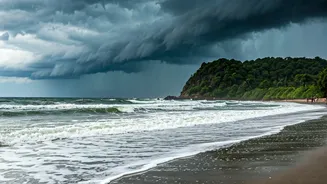
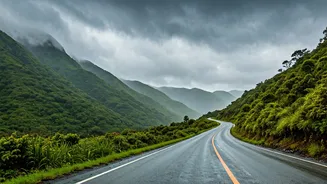
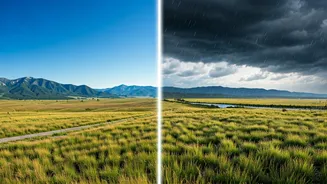
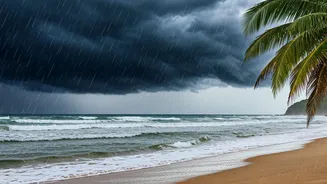
monsoon patterns are becoming more erratic and intense. Instead of steady drizzles, we're now seeing longer dry spells broken by sudden, extremely heavy downpours. This increases the risk of flash floods, landslides in coastal hilly areas, and dangerous sea conditions that can appear with little warning. Recent weather alerts from the India Meteorological Department (IMD) for June and July 2026 highlight the potential for isolated extremely heavy rainfall in coastal areas like Konkan & Goa. This isn't your average rainy season anymore; it's a period that demands respect and careful planning.
Before You Go: Diligence is Your Best Friend
The 'caution mode' begins long before you pack. First, build a flexible itinerary. Monsoon travel is notorious for delays, from waterlogged roads to rescheduled flights, so planning buffer days is essential. Before booking, check the long-range weather forecasts and recent advisories from official sources like the IMD. Pay close attention to warnings about high waves or strong currents, which frequently lead to beach closures and swimming bans. Comprehensive travel insurance is non-negotiable; ensure your policy covers disruptions caused by weather. Finally, choose your destination wisely. While some remote beaches are tempting, destinations with robust infrastructure are better equipped to handle heavy rains. Opt for hotels with power backups, as outages can be common during the monsoon.
On The Ground: Staying Safe and Dry
Once you arrive, situational awareness is key. Heed all local warnings, especially the red and yellow flags on beaches which indicate no-swimming zones. Strong rip currents are a serious danger during the monsoon, causing drownings every year. Even if the weather looks calm, the sea can be treacherous. Lifeguards are not always present on all beaches, so the responsibility for safety often falls on you. Avoid driving in hilly coastal areas at night, as landslides are a significant risk. Your packing should reflect these new realities. Prioritise quick-dry synthetic clothing over cotton and jeans, and invest in fully waterproof bags for your electronics and documents. A good pair of waterproof sandals with excellent grip is far more practical than flip-flops on slippery surfaces.
Embracing the Indoors: A Plan B is a Must
A successful monsoon trip is one that doesn't depend solely on sunny beach days. The rain will inevitably disrupt outdoor plans, so embrace it as an opportunity to explore a different side of your destination. This is the perfect time to indulge in long, leisurely meals at local cafes, discover indoor markets, or visit historical sites. Coastal wellness destinations, particularly in Kerala, believe the monsoon is the ideal time for Ayurvedic treatments. In places like Goa, while many beach shacks close, the vibrant restaurant scene in towns away from the coast thrives. Having a list of interesting indoor activities—museums, art galleries, cooking classes—ensures that a rainy day is a welcome change of pace, not a ruined vacation. This proactive approach turns potential disappointment into a well-rounded and memorable travel experience.