




In the world of Indian lentils, urad dal is a celebrity. Known for its creamy texture and rich flavour, it is the foundation of icons like dal makhani and medu vada. But its true potential often remains unexplored in our daily kitchen routines.
Beyond the Restaurant Classics
For many,
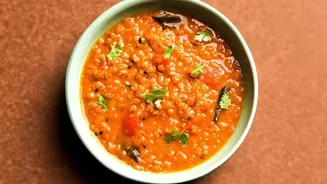
urad dal means dal makhani, a slow-cooked, buttery delight reserved for special occasions. While delicious, its richness can be intense for daily meals. The skinned and split white urad dal, however, makes for a wonderfully light and creamy everyday dal. Unlike its whole black counterpart, white urad dal cooks quickly and has a milder, earthy flavour. A simple tadka of ghee, cumin seeds, garlic, and onions transforms it into a comforting meal perfect with roti or steamed rice. This version, popular in North Indian homes, offers the creaminess of urad without the heaviness of restaurant-style preparations.
The Secret to Ultimate Crunch
Urad dal’s mucilaginous quality is its superpower. When soaked and ground, it creates a light, airy batter that is key to many beloved snacks. It is the heart of the fermented batter that gives idlis their spongy texture and dosas their crisp edges. But its role in crispy treats doesn't stop there. The same lentil is ground into a thick paste to make medu vada, the savoury doughnuts of South India, which are fried to golden perfection—crispy on the outside and fluffy inside. It also forms the base for bondas and other deep-fried fritters, proving that a smooth paste can lead to an irresistible crunch.
A Surprising Twist in Desserts
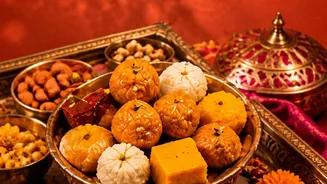
While we associate lentils with savoury dishes, urad dal has a sweet side that is worth exploring. In Andhra Pradesh, it is the star of Sunnundalu, protein-rich laddus made by roasting and grinding urad dal into a flour. This flour is then mixed with ghee and sugar or jaggery to create a unique, nutty-flavoured sweet. Another dessert is urad dal halwa, where dal flour is roasted in ghee and cooked with milk and sugar until it becomes a rich, fudge-like confection. These traditional sweets showcase a completely different dimension of the lentil, transforming it into a decadent and wholesome treat.
The Foundation of Flavourful Powders
Dry roasted urad dal is a cornerstone ingredient in many South Indian spice powders, or 'podis'. When roasted, the lentil develops a deep, nutty aroma that adds incredible depth and a satisfyingly coarse texture to condiments. The most famous example is molagapodi, often called 'gunpowder,' a spicy mixture of roasted dals, chillies, and other spices that is typically mixed with sesame oil or ghee and served with idli and dosa. Urad dal is also used to make urad dal chutney, where the roasted lentils are ground with tamarind, red chillies, and sometimes coconut, creating a shelf stable condiment with a more profound earthier taste than fresh chutneys.
More Than Just a Main Ingredient
Even in small quantities, urad dal works magic. In South Indian cooking, a teaspoon of split urad dal is often added to the tempering (tadka) for vegetable dishes, chutneys, and rice preparations like upma. When fried in hot oil or ghee, the lentils turn golden brown and provide a delightful crunch and nutty flavour that contrasts beautifully with the main dish's softer textures. In some regions, urad dal is also used to make vadi, which are sun dried lentil dumplings. These are added to curries, where they absorb the flavours of the gravy while contributing their own unique texture and taste.