







The Myth of the Universal Energy Booster
Many products on the market, from supplements to energy drinks, tout Vitamin B12 as a powerful energy enhancer. The claim is simple: take some B12 and fight off that afternoon slump. However, scientific evidence does not support this for the general population.
While B12 does play a role in your body's energy production at a cellular level, taking more of it won't give you a jolt of energy unless you are genuinely deficient. For those with adequate B12 levels, any excess is simply excreted by the body. The energy boost myth persists because correcting a deficiency does, in fact, alleviate fatigue, but that's a medical treatment, not a life hack.
The Real Science: What B12 Actually Does
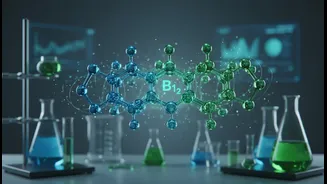
So if it's not a magic energy potion, what is Vitamin B12's true role? This essential nutrient, also known as cobalamin, is a powerhouse for several critical bodily functions. Its primary jobs include helping to form healthy red blood cells, which carry oxygen throughout the body, and supporting the normal function of your nerve cells. It is also vital for DNA synthesis, the very blueprint of your cells. A lack of B12 can lead to a type of anemia called megaloblastic anemia, where the body produces abnormally large, immature red blood cells that can't function properly, leading to weakness and fatigue. It also helps maintain the myelin sheath, a protective covering around your nerves; a deficiency can cause irreversible neurological damage.
A Major Concern in India: Who is at Risk?
Vitamin B12 deficiency is a significant and often overlooked health issue in India. Studies suggest a high prevalence, with some reports indicating that nearly half the population in certain regions may be deficient. This is largely due to dietary patterns, as B12 is naturally found almost exclusively in animal products like meat, fish, eggs, and dairy. Consequently, vegetarians and vegans are at a very high risk. Other at-risk groups include older adults, whose ability to absorb B12 from food can decrease with age, and individuals with gastrointestinal conditions like Crohn's disease or celiac disease that impair nutrient absorption. Symptoms of deficiency can be slow to develop and non-specific, including fatigue, weakness, a sore tongue, pale or yellowish skin, and neurological issues like numbness or tingling in the hands and feet.
Food First: Finding B12 in Your Diet
For most people, the best way to get Vitamin B12 is through a balanced diet. If you eat animal products, including fish, meat, poultry, eggs, milk, and cheese will help you maintain healthy levels. For vegetarians, dairy products like milk and yogurt are excellent sources. Vegans and some vegetarians may need to turn to fortified foods. Many breakfast cereals, plant-based milks (like soy or almond), and meat substitutes are now fortified with B12. Nutritional yeast is another popular option for vegans, often used to add a cheesy flavor to dishes while providing a significant B12 boost. Some types of edible seaweed, like dried purple laver (nori), have also been shown to contain B12.
Decoding Supplement Labels and Claims
If you suspect a deficiency or fall into a high-risk group, a supplement might be necessary, but it's important to be a savvy consumer. In India, the Food Safety and Standards Authority of India (FSSAI) has regulations for health supplements. Labels must clearly state that the product is a “Health Supplement” and carry the declaration “NOT FOR MEDICINAL USE.” Any claims made must be supported by scientific evidence, and therapeutic claims to cure or treat a disease are not permitted. Don't be swayed by mega-doses; your body can only absorb a small amount at a time. The most important step is to get tested. A simple blood test can confirm a deficiency, and a doctor can recommend the appropriate dosage and form of supplement, whether it's oral tablets, sublingual drops, or injections for severe cases.