
A Fiery Return with Priceless Cargo
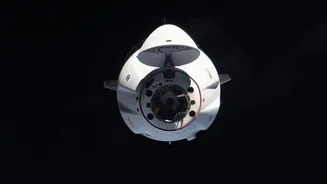
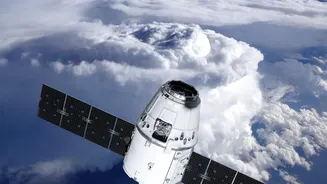
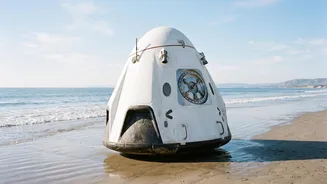
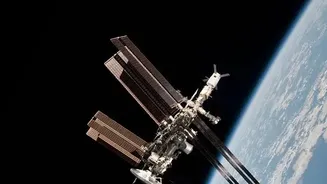
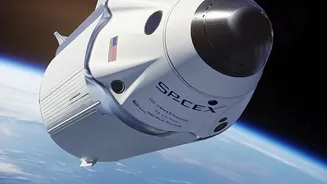
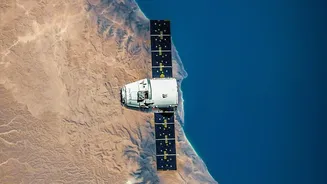
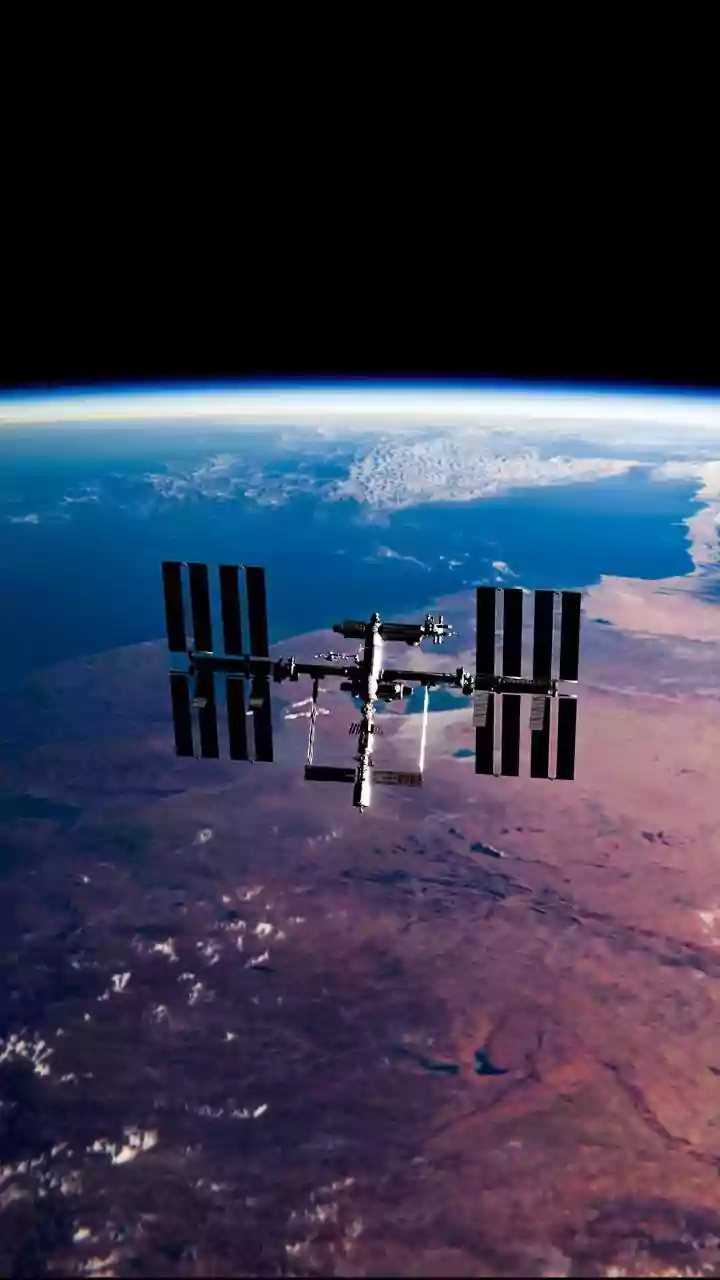
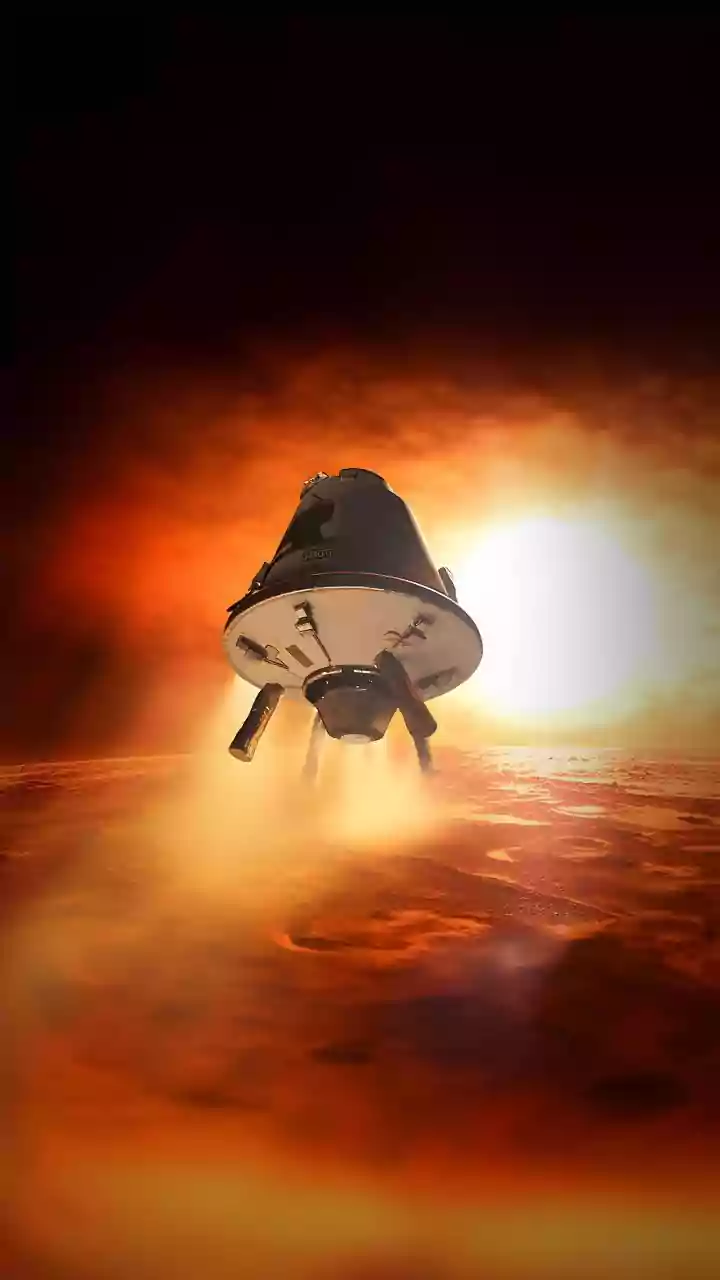
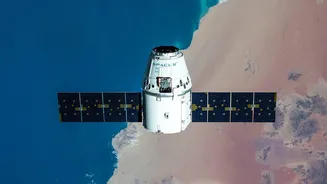
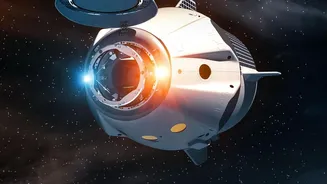
On Saturday, November 21, the uncrewed SpaceX Dragon spacecraft completed its 35th Commercial Resupply Services (CRS) mission for NASA, parachuting into the waters off the coast of California. The capsule undocked from the ISS the previous day, beginning
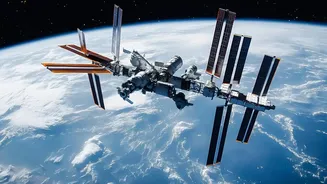
a nearly 29-hour journey back to Earth. While its launch in October delivered over 2,800 kilograms of supplies and new experiments to the orbiting lab, its return is arguably the most critical phase. Unlike other cargo vehicles that burn up on reentry, the Dragon is designed to bring materials back intact, making it an indispensable part of the research cycle for scientists who need to analyse their space-flown experiments in labs on the ground.
Advancing Medicine from 400 Kilometres Up
Among the thousands of pounds of returned cargo are samples that could significantly impact human health. One of the most anticipated returns is a 3D-bioprinted blood vessel construct. Astronauts used a special facility to print tissue with human vascular cells to study how blood vessels age. Because the microgravity environment of space accelerates some biological processes that resemble aging on Earth, researchers hope to gain new insights into cardiovascular disease. Another key medical experiment involves frozen tumor organoids. These are small, lab-grown models of tumors that were treated with chemotherapy drugs aboard the station. By studying how cancer cells respond to treatment without the influence of gravity, scientists aim to develop more effective therapies and advance personalised medicine.
Solving Earthly Problems in Space
The research returned on CRS-35 extends beyond just human biology. Also aboard were frozen microbial samples from an experiment investigating how bacteria develop resistance to antibiotics in space. Understanding the genetic adaptations of these 'superbugs' in an extreme environment could help scientists on Earth devise better ways to protect against infections, both for astronauts on long-duration missions and for the general public. In addition to biological samples, the mission also returned a specialised lighting system that was tested on the station for over three years. The system was designed to see if tailored light cycles could help astronauts maintain a normal sleep schedule and support their well-being, a crucial factor for future missions to the Moon and Mars, and a technology that could find applications on Earth for shift workers or those with sleep disorders.
The Race Against Time
Once the Dragon capsule was retrieved from the ocean by SpaceX's recovery ship, a race against time began. The sensitive biological samples, many of which must remain frozen, need to be transported to NASA and the principal investigators' laboratories as quickly as possible, often within 48 hours. This rapid return ensures the integrity of the data, allowing scientists to analyse the effects of microgravity on their experiments without the samples being compromised by their return to Earth's environment. This swift logistics chain is a critical, and often overlooked, component of the groundbreaking research conducted on the ISS. It is the final, vital link that connects the orbiting laboratory to the researchers on the ground who will turn these unique samples into the next generation of scientific discoveries.