




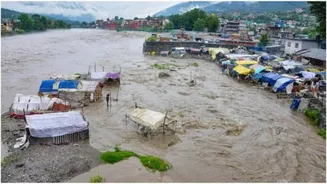


A City Submerged
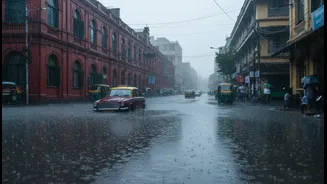
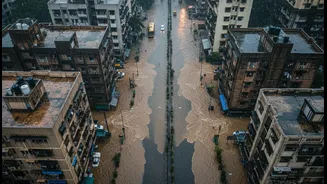
The impact of the downpour was felt across the city as key arterial roads and low-lying areas quickly went under water. The India Meteorological Department (IMD) had issued alerts for heavy to very heavy rainfall, a forecast that proved accurate as areas like
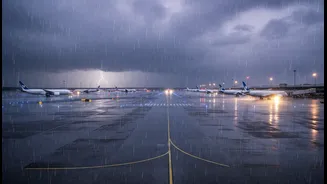
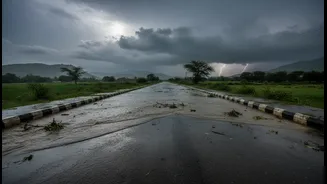
Dum Dum recorded significant precipitation. Commuters faced a harrowing time, with traffic slowing to a crawl in many parts of the city, including the IT hub of Salt Lake Sector V. Airlines issued advisories, warning passengers of potential flight delays due to the severe weather, adding another layer of disruption for travellers. This event was not an isolated storm but part of a broader weather pattern, with a monsoon trough and cyclonic circulation driving intense rainfall across South Bengal.
A Recurring Monsoon Challenge
For residents of Kolkata, Friday's events are a recurring chapter in the city’s annual monsoon story. The combination of flat deltaic terrain, ageing drainage infrastructure, and the sheer volume of rainfall frequently leads to such disruptions. While civic bodies like the Kolkata Municipal Corporation (KMC) take pre-monsoon measures, such as holding borough-wise meetings to plan for waterlogging in vulnerable areas, the intensity of modern rainfall events often overwhelms existing systems. The scenes of inundated streets serve as a stark reminder that simply reacting to the rain is no longer a sustainable strategy for the city or its citizens.
Why Proactive Planning Is Essential
Relying on luck or last-minute adjustments during a downpour is becoming increasingly risky. The disruptions extend beyond inconvenience; they impact economic activity, create safety hazards, and strain emergency services. Waterlogged roads not only delay commutes but also pose health risks due to contaminated water and can cause significant damage to vehicles. The IMD's forecast for more rain through the weekend and into next week underscores that this is not a one-day problem but a sustained weather event requiring a proactive mindset. Taking time to prepare before you need to is the most effective way to navigate the monsoon with greater safety and less stress.
Your Monsoon Preparedness Checklist
Careful planning can transform how you experience the rainy season. Start by creating a personal and household plan. At home, create an emergency kit with essentials like a power bank, torch, first-aid supplies, and dry food. Ensure important documents are stored in waterproof bags. For your commute, technology is your best ally. Before leaving the house, check real-time traffic updates on navigation apps and monitor public transport alerts. The Kolkata Metro often remains the most reliable option during heavy rain, so consider it for your primary mode of travel. If you must travel by road, know alternative routes and avoid notoriously waterlogged areas. Finally, prioritise your health. Avoid wading through stagnant floodwater, which can carry diseases, and be mindful of food and water hygiene.
Beyond Individual Action
While personal preparedness is key, city-wide resilience is a collective effort. Kolkata has been working on long-term solutions, including upgrading its sewerage and drainage network and implementing a comprehensive Flood Forecasting and Early Warning System (FFEWS). This system aims to provide real-time updates on rainfall and inundation levels, empowering both citizens and authorities to make informed decisions. Supporting these civic initiatives, staying informed through official channels, and fostering community alertness—like warning neighbours about rising water levels—all contribute to a more resilient city. The goal is to move from a cycle of disruption and recovery to one of anticipation and management.