



Why Sarees Make Perfect Drapes
Before you think of buying new curtains, consider the treasures you already own. Repurposing old sarees is not just a sustainable choice; it's a way to infuse your home with personal history and unmatched vibrancy. Sarees offer a vast canvas of colour,
texture, and craftsmanship that mass-produced textiles often lack. Whether it's the rich lustre of a silk saree or the breezy feel of a cotton one, these fabrics can transform how light enters a room. Lightweight sarees like chiffon and georgette create a soft, glowing effect, while heavier silks like Banarasi or Kanjivaram can be fashioned into luxurious, regal drapes perfect for a living room or festive setting. This approach is budget-friendly, eco-conscious, and guarantees a one-of-a-kind look that feels deeply personal and rooted in Indian heritage.
Choosing the Right Saree
The success of your saree drapes depends on selecting the right fabric. For areas where you want to maximize natural light, choose lightweight, sheer materials like chiffon, georgette, or fine cotton. These fabrics have a beautiful, flowing drape that catches the breeze and adds a delicate touch. For more privacy or a more formal look, opt for heavier silks or starched cottons. Keep in mind that very delicate fabrics may need a lining to protect them from sun damage and add durability. Inspect the saree for any significant tears or damage. While small imperfections are part of the charm, large holes could compromise the curtain's structure. Don't be afraid to mix and match; layering a printed saree over a plain one can create a rich, designer look.
A Simple No-Sew Method
You don't need to be a sewing expert to create beautiful saree curtains. The quickest and easiest method requires no stitching at all. All you need is your chosen saree, a curtain rod, and a set of curtain clip rings. Simply fold over the top edge of the saree to your desired length, creating a clean line. Then, evenly space the clip rings along the folded edge. Once clipped, you can slide the rings directly onto your curtain rod. This method is not only fast but also completely reversible, meaning no damage is done to the saree. It’s a perfect solution for renters or anyone who wants a quick, high-impact update without the commitment of permanent alterations. For a slightly more finished no-sew edge, you can use fusible web and an iron to create clean hems on all sides.
For the DIY Enthusiast: Basic Stitching
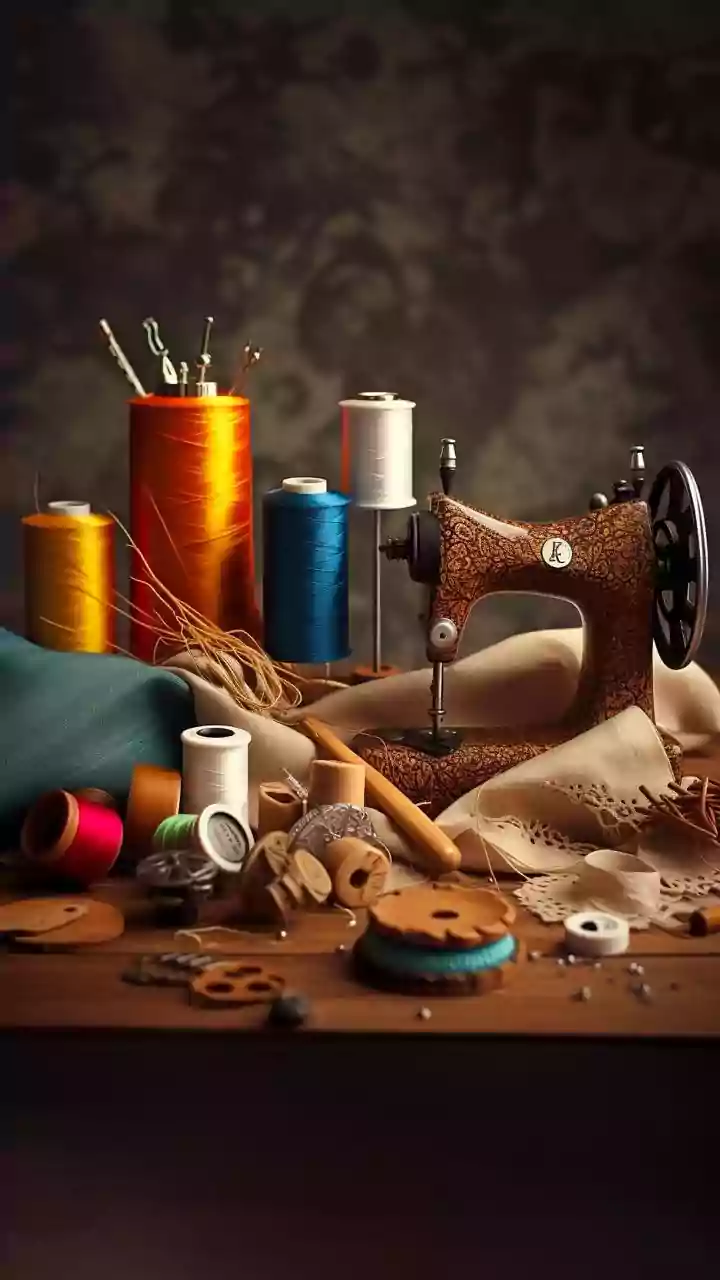
If you're comfortable with some basic sewing, you can create a more traditional rod pocket for your drapes. First, remove the 'fall' (the extra strip of cotton at the bottom) from the saree. Fold the top edge of the saree over by about four to five inches to create a channel for the curtain rod. Iron the fold to create a crisp crease. Using a sewing machine or a simple hand-stitch, sew along the bottom of the fold to create the pocket. This creates a clean, gathered look when the curtain is hung. If your saree is not long enough, you can stitch two sarees together or add a complementary fabric panel to the top or bottom to achieve the desired length.
Styling Your Upcycled Drapes
Saree curtains can complement a wide range of interior styles, from bohemian and eclectic to modern traditional. The key is in the styling. For a vibrant, boho-chic vibe, don't be afraid to use brightly coloured sarees with intricate patterns. In a more minimalist space, a single-colour silk or cotton saree can add a pop of texture and elegance without overwhelming the room. You can use the saree's decorative 'pallu' (the ornate end piece) strategically, either letting it drape artfully at the bottom or featuring it at the top. Use simple, handmade fabric drawstrings or elegant metallic tie-backs to hold the curtains open. Beyond windows, these drapes can be used as room dividers, to cover open closets, or as a stunning backdrop for a pooja space.