





1. The 'Reverse' Shopping List
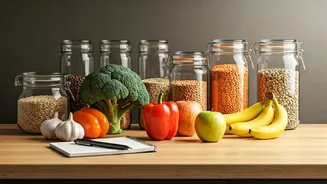
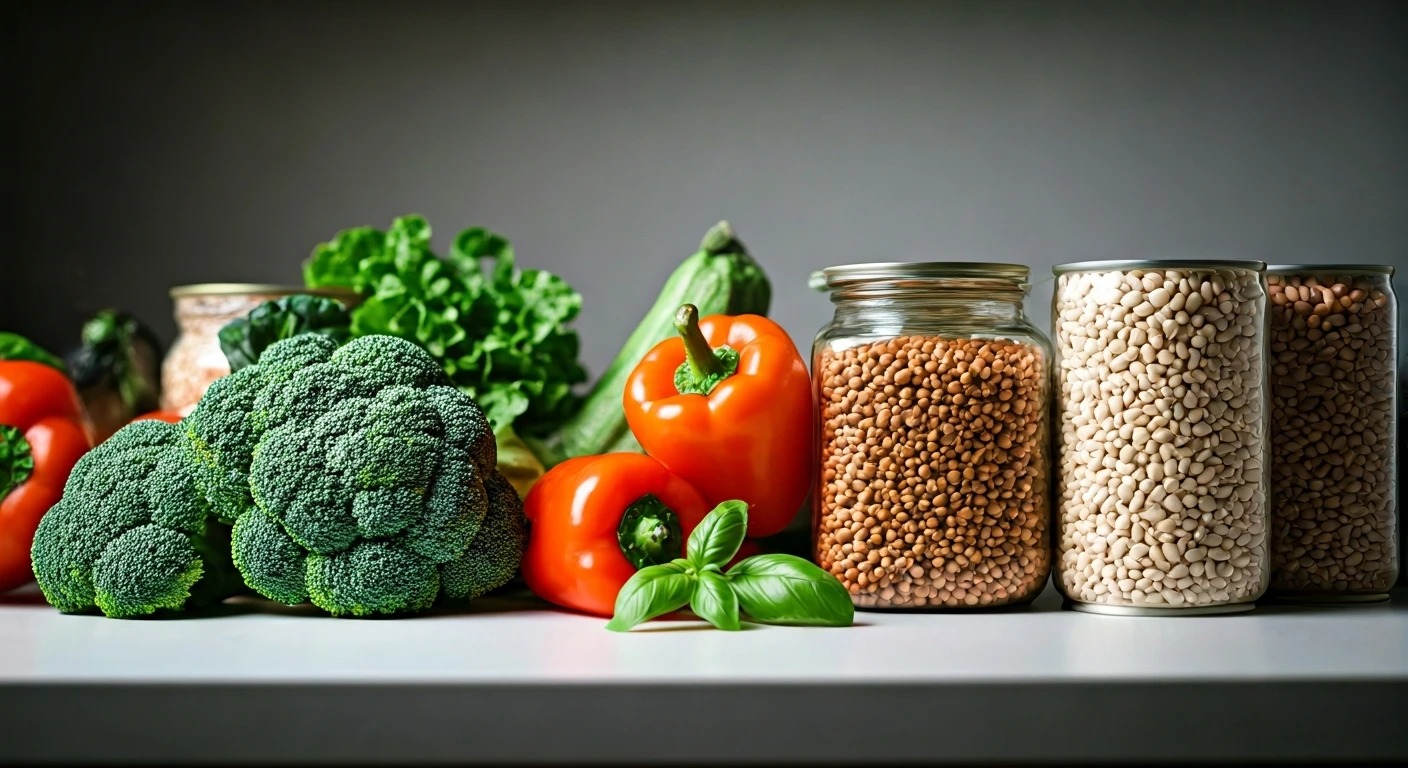
Forget listing what you need; start by listing what you already have. Before you even think about leaving the house, do a quick audit of your pantry, fridge, and freezer. Take a photo or jot down key items—half an onion, a tin of chana, that last bit
of ginger-garlic paste. This 'reverse' list prevents you from buying duplicates and forces you to think about using up what you own first. Build your meal plan around these ingredients, and your shopping list will become shorter and more focused.
2. Shop the Store Backwards
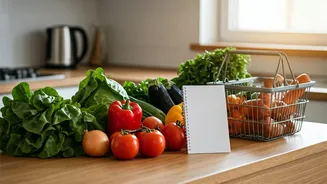
Most grocery stores are designed to make you spend more. The fresh produce, dairy, and meat are usually along the outer walls (the 'perimeter'), while the processed, high-margin items live in the central aisles. Break the habit of wandering aisle by aisle. Start at the back with your essentials like milk, eggs, and bread. Then, tackle the produce section. By filling your cart with these core items first, you’ll have less room—and less budget—for impulse buys like chips, biscuits, and sodas as you make your way to the checkout.
3. Master the Unit Price
This is the single most powerful tool in the grocery store, yet it's often ignored. The shelf tag doesn't just show the total price; it shows the price per unit (per 100g, per kg, per litre). A large, seemingly expensive bottle of cooking oil might actually be cheaper per litre than the smaller, 'on-sale' bottle next to it. Don't let fancy packaging or 'special offer' signs fool you. Comparing the unit price is the only way to know if you're truly getting the best deal, especially for pantry staples you buy regularly.
4. Embrace Imperfect Produce
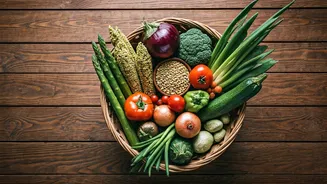
The perfectly round tomato or the flawlessly straight cucumber often comes at a premium. A growing movement towards reducing food waste has made 'ugly' or 'imperfect' produce more available. These are fruits and vegetables that are misshapen, slightly bruised, or just not as pretty, but are perfectly nutritious and delicious. They are often sold at a significant discount. Since you're likely going to chop, cook, or blend them anyway, why pay more for aesthetics? Ask your local sabziwala or check dedicated sections in larger stores.
5. Go Beyond the Brand Name
Brand loyalty can be expensive. For many staples like rice, dal, sugar, salt, and spices, the store's own brand or a lesser-known local brand is often just as good as the heavily advertised national one, but at a fraction of the cost. The ingredients are frequently processed in the same facilities. Do a blind taste test at home if you're skeptical. Start by swapping out one or two items per shopping trip. The savings from ditching big-name brands for basic commodities can add up significantly over a year.
6. Create a 'Use It Now' Bin
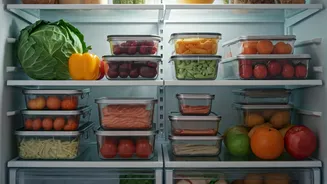
Food waste is wasted money. A simple but brilliant hack is to designate one area in your fridge as the 'Use It Now' bin. This is where you put leftovers, produce that's starting to look a bit sad, and dairy products nearing their expiry date. By corralling these items in one visible spot, you create a visual reminder to use them up. Before you start cooking a new meal, check this bin first. It’s a powerful habit that turns potential waste into your next meal, saving you money and reducing your environmental footprint.