





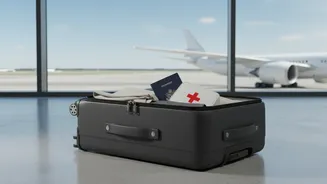

The New Reality of Air Travel
Flight delays have become an unfortunate but frequent part of modern travel. From severe weather and air traffic congestion to unexpected mechanical issues, a significant portion of flights now face disruptions. For young travelers, who may be on their
first solo trip or a tightly planned holiday, an unexpected delay isn't just an inconvenience—it's a financial liability. Airlines are often not required to compensate passengers for delays caused by factors outside their control, like weather, leaving you to cover unexpected costs yourself.
Understanding Trip Delay Coverage
Trip delay coverage is a benefit included in many comprehensive travel insurance plans. It’s designed to reimburse you for reasonable, essential expenses you incur during a significant delay. These typically include costs for meals, hotel accommodations for overnight delays, ground transportation, and even essential communication to rebook arrangements. The key word, however, is 'significant'. The protection doesn't kick in for a minor 30-minute hold on the tarmac; your policy will specify a minimum delay time before you are eligible for any benefits.
The Four-Hour Advantage
This is where the fine print matters immensely. Many basic or standard travel insurance policies set their trip delay trigger at 6, or even 12, hours. Imagine your flight is delayed for eight hours. With a 12-hour policy, you get nothing. You are left to pay for your meals and other necessities out of your own pocket. However, a policy with a 4-hour trigger would activate its benefits halfway through that waiting period. This shorter waiting period is the single most important feature for managing the stress and cost of common delays. Policies with triggers between 3 and 5 hours are generally considered the most traveler-friendly options.
Why It's Critical for Young Travelers
Younger travelers often operate on lean budgets, where every rupee is allocated. An unforeseen expense of a few thousand rupees for a hotel room or several meals can completely derail a trip's finances. A policy that provides benefits after just four hours acts as an immediate financial safety net. It means you can eat a proper meal and find a comfortable place to rest without draining your funds for the rest of your trip. It turns a potential trip-ruining crisis into a manageable inconvenience, which is especially valuable when you're young, possibly inexperienced, and far from home.
What a 4-Hour Policy Typically Covers
Once your delay crosses the 4-hour threshold for a covered reason, you can start saving receipts for reimbursement. Eligible expenses typically include meals and beverages, a hotel room if the delay extends overnight, and transportation to and from that hotel. Some policies may even cover costs for essential phone calls or internet access to rearrange your plans. The coverage is for reasonable expenses—so while a five-star hotel might not be approved, a clean and safe room near the airport will be. It’s crucial to get written confirmation from the airline detailing the cause of the delay, as this documentation is almost always required when you file a claim.
How to Find the Right Policy
When shopping for travel insurance, don't just look at the price. The cheapest plan might have a 12-hour delay trigger that renders it almost useless for common disruptions. Use comparison websites to filter for plans based on the trip delay benefit waiting period. Read the policy documents carefully to understand the coverage limits, the listed covered reasons for a delay, and the exclusions. While it may seem tedious, taking ten minutes to verify this one detail can save you from significant financial stress and ensure your adventure goes on, even if it starts a few hours late.