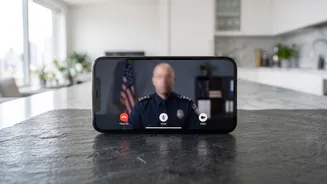






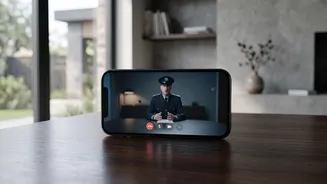

You receive a call from someone claiming to be a police officer. They say your Aadhaar is linked to a crime and you are under 'digital arrest'. It's a sophisticated and terrifying scam that is cheating Indians out of crores.
What is a 'Digital Arrest'?
A 'digital arrest' is a new
and alarming form of cyber fraud where criminals impersonate officials from law enforcement agencies like the police, CBI, or Enforcement Directorate. They contact victims, usually via phone or a video call on apps like WhatsApp or Skype, and falsely claim that the victim is implicated in a serious crime, such as money laundering, drug trafficking, or a parcel containing illegal goods being linked to their name. The entire 'arrest' and 'investigation' is a sham conducted online with the sole purpose of extorting money through fear and intimidation. It’s important to know that there is no legal basis or provision for a 'digital arrest' in India; law enforcement will never arrest someone over a video call.
The Anatomy of the Scam
The fraud typically unfolds in a series of calculated steps designed to create panic. It often starts with an automated call claiming your mobile number or Aadhaar is being used for illegal activities. You are then transferred to a scammer posing as an official. To build credibility, they might present fake documents like arrest warrants, FIRs, or official-looking ID cards, sometimes with your name and details already on them. The fraudster, who may be in a uniform against a backdrop resembling a police station, will accuse you of serious crimes and threaten immediate legal action. They will insist you stay on the video call, isolating you from friends and family, sometimes for hours or even days, under the pretext that you are under surveillance. The final step is the demand for money — either as a 'bail payment', a 'verification fee', or to transfer your funds to a 'safe government account' to be 'cleared' of wrongdoing.
The Psychological Tricks They Use
These scams are effective because they prey on basic human emotions: fear, respect for authority, and the desire to clear one's name. By impersonating high-ranking officials and using legal jargon, they create an imbalance of power. The demand to remain on a continuous video call is a key tactic designed to isolate the victim, preventing them from thinking clearly or verifying the claims with anyone else. This isolation, combined with constant threats and a sense of urgency, overwhelms the victim's judgment. Fraudsters often possess some of the victim's personal details, like their name and Aadhaar number, which makes the scam seem more legitimate from the start. This combination of fear, isolation, and apparent legitimacy can pressure even educated and aware individuals into complying with the scammers' demands.
Red Flags: How to Spot the Scam
Recognising the warning signs is the first line of defence. Be immediately suspicious if you receive an unsolicited call from someone claiming to be a police or government official who:
- Accuses you of a crime over the phone and threatens immediate arrest.
- Demands that you transfer money to resolve a legal matter, pay a fine, or for 'verification' purposes.
- Asks for your banking details, passwords, or OTPs.
- Insists that you stay on a video or phone call and not speak to anyone else.
- Asks you to install any software or app on your phone or computer.
Remember, legitimate authorities like TRAI, the CBI, or local police will never demand money transfers over the phone to settle a case or avoid arrest.
What to Do If You're Targeted
If you receive such a call, the most important thing is to stay calm. Do not panic and do not follow any instructions. First, disconnect the call immediately. No legitimate officer will penalise you for hanging up. Do not share any personal information, and absolutely do not transfer any money. Try to verify the person's claims by independently contacting the concerned police department or agency through official channels, not by using any phone number the scammer provides. If you have been targeted or have lost money, report the incident immediately to the National Cyber Crime Reporting Portal at cybercrime.gov.in or by calling the toll free helpline number 1930. Reporting quickly increases the chances of freezing the fraudulent transaction and aids authorities in tracking these criminal networks.