








Jorhat: The Breakout Destination
For years, the domestic Indian tourist followed a familiar circuit. But travel preferences are evolving, and nowhere is this more evident than in the rise of Jorhat. According to a Skyscanner report, flight searches for this quiet Assamese city surged
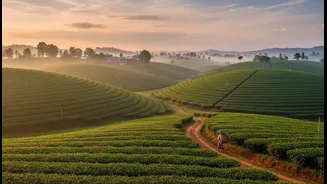
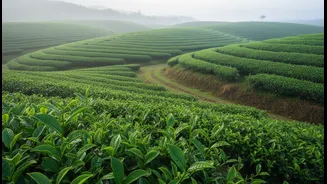
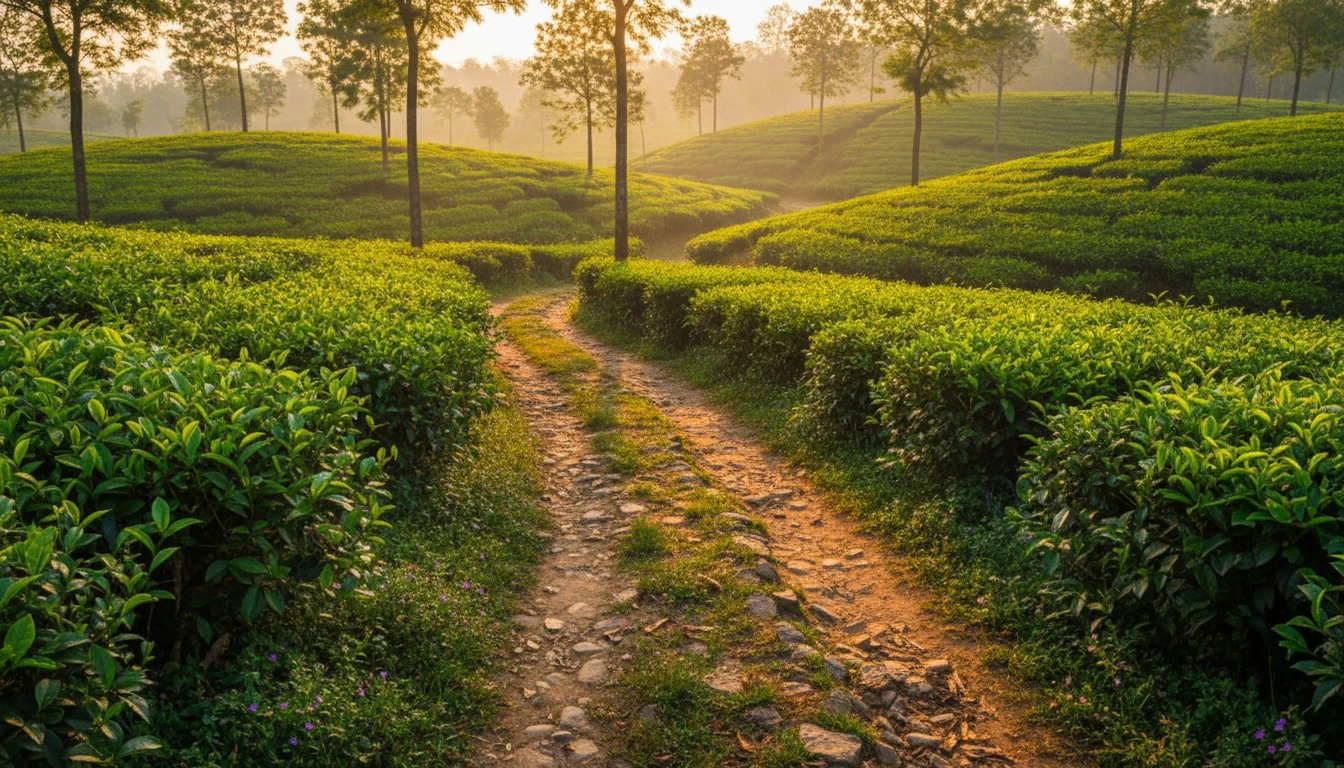
by a staggering 493%, making it one of the most trending destinations. This isn't a random spike; it signals a deeper shift. Travellers are increasingly looking for peaceful, culture-rich escapes away from overcrowded hotspots. Known as the ‘Tea Capital of India’, Jorhat offers a serene blend of sprawling tea estates, colonial-era heritage, and a slow pace of life that is becoming a luxury. It serves as the primary gateway to Majuli, the world's largest river island, which is a hub of Assamese Vaishnavite culture, famous for its ancient monasteries and unique mask-making traditions.
What's Driving This New Travel Trend?
Several factors are fuelling the rise of Tier-2 and Tier-3 cities as travel hubs. A key driver is significantly improved connectivity. Government initiatives like the UDAN (Ude Desh ka Aam Naagrik) scheme have been instrumental in launching new flight routes and developing airports in previously underserved regions. The scheme, now entering a new phase, aims to connect even more remote areas, making places once considered off-the-beaten-path easily accessible. Beyond infrastructure, there's a clear change in the traveller mindset. The post-pandemic era has amplified the desire for less crowded, cleaner, and more meaningful travel. A Booking.com survey noted that a significant percentage of Indian travellers are now prioritising unique and less-crowded destinations. This 'micro-tourism' trend focuses on local immersion, authentic food, and genuine cultural connections, which smaller cities are perfectly poised to offer.
Beyond Assam: Other Cities on the Rise
Jorhat is the poster child, but it is not an isolated case. Across India, a new constellation of destinations is capturing the imagination of travellers. Reports indicate that travellers from non-metro cities are powering the growth of the travel industry, exploring both domestic and international locations thanks to rising incomes and better connectivity. Cities like Bhubaneswar in Odisha, known for its ancient temples and smart city infrastructure; Coimbatore in Tamil Nadu, a gateway to serene hill stations; and Varanasi, India’s spiritual heart, are all seeing a significant uptick in interest. Even sporting events are reshaping travel patterns, with cities like Ranchi and Lucknow experiencing huge spikes in visitor searches during cricket season, highlighting the dispersal of tourism into new markets. This trend is not just about leisure; it's also about a growing sense of exploration within India's own borders.
The Future of Indian Domestic Travel
This shift towards regional destinations is more than a fleeting trend; it represents the future of Indian tourism. As travellers continue to seek authenticity over commercialisation, the domestic travel map will become more diverse and democratic. This decentralisation brings significant economic benefits, boosting local economies, creating jobs, and encouraging the development of sustainable tourism practices. For travellers, it means a richer, more varied menu of options that goes far beyond the handful of destinations that once dominated holiday planning. The story of Jorhat's rise is a powerful indicator that the next chapter of Indian travel will be written in its regional heartlands, where culture, nature, and tranquility offer a compelling alternative to the hustle of the metropolis.