





Understanding Your Local Flours
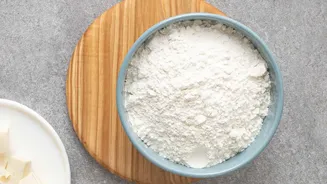
The journey to a perfect sourdough starter begins with your flour. In India, the two most common flours are atta (whole wheat flour) and maida (refined all-purpose flour). Atta, traditionally chakki-milled, contains the entire wheat kernel—bran, germ,
and endosperm. This makes it rich in nutrients and wild yeasts, which can give your starter a robust and fast start. However, the sharp bran particles can sometimes cut through gluten strands, which can affect the bread's final rise. Maida, on the other hand, is refined and consists mainly of the starchy endosperm. While it has fewer natural microbes, it helps develop a strong gluten network, leading to a lighter, airier bread. Many bakers find success using a combination of both.
Choosing the Right Flour for Your Starter
You can successfully use atta, maida, or a blend to feed your starter. Using 100% whole wheat atta is a great way to begin, as it provides plenty of food for the wild yeast to thrive. An atta-fed starter often develops a uniquely sweet and earthy fragrance. If you prefer a lighter-colored loaf with a milder flavour, you can maintain your starter with maida or a 50/50 blend of atta and maida. Experimentation is key; you can start with atta for the initial, more vigorous fermentation and then switch to a blend for maintenance. The flour you use for your starter doesn't have to be the same flour you use in your final bread dough.
A Step-by-Step Feeding Guide
Feeding a sourdough starter is a cycle of discarding and replenishing. This keeps the yeast culture healthy and active. A standard feeding ratio is 1:1:1, meaning equal parts by weight of starter, flour, and water. For example, you would combine 50 grams of your existing starter with 50 grams of flour and 50 grams of water. Use a kitchen scale for accuracy, as volume measurements can be inconsistent. Mix everything in a clean glass jar until no dry flour remains, loosely cover the lid, and let it sit at room temperature. In India's warmer climate, your starter may become active faster, often ready in 5 to 7 days.
Adjusting Hydration Is Crucial
Hydration in sourdough refers to the ratio of water to flour. Indian flours, particularly whole wheat atta, are known to be very absorbent and will soak up more water than typical bread flour. This means you may need to adjust your water content to achieve the desired consistency, which should be like a thick, lump-free paste. Don't be afraid to add a little extra water, a tablespoon at a time, if your starter seems too stiff. Flours with lower protein content cannot handle as much water, so it's important to make small adjustments and observe how the dough feels. Using filtered or boiled and cooled water is also recommended, as chlorine in tap water can inhibit yeast activity.
What to Expect and Troubleshooting
When your starter is active, it will become bubbly and double in volume a few hours after feeding. It should have a pleasant, tangy aroma. An atta-based starter might appear denser than one made with maida, which is normal. If you see a layer of dark liquid (called "hooch") on top, it's just an indication that your starter is hungry; simply stir it back in or pour it off before your next feeding. If your starter seems sluggish, try moving it to a warmer spot and ensure you are feeding it regularly. In the initial days, you'll need to feed it every 12-24 hours. Once established and stored in the fridge, a weekly feeding is usually sufficient.