


A Breakfast Revolution Unfolding
Across India, a significant shift is underway in the most important meal of the day. Consumers are consciously moving away from quick, processed, and often sugar-laden breakfast cereals that defined convenience for a generation. Instead, they are embracing
options that promise better health, greater satiety, and a connection to traditional food values. This isn't just a niche trend among the ultra-health-conscious; it's a mainstream movement reflecting a broader change in lifestyle and priorities. Market data shows a clear pivot. While the overall breakfast market grows, the most impressive surges are in categories like oats, muesli, and traditional breakfast mixes. The Indian oats market, valued at over USD 500 million in 2025, is projected to grow steadily, fuelled by this very trend. This shift is driven by a desire for food that does more than just fill a temporary gap—it must nourish and sustain.
The Driving Force: Health and Awareness
At the heart of this change is a powerful wave of health consciousness sweeping the nation. Indian consumers are more informed and discerning than ever before, actively reading labels and questioning the health claims of packaged foods. There's a growing awareness about the pitfalls of starting the day with a sugar crash. Many popular breakfast cereals, marketed as healthy, are often high in refined grains and added sugars, which can lead to a rapid spike and fall in blood sugar levels, leaving one feeling hungry and sluggish soon after. As awareness about lifestyle-related health issues grows, shoppers are looking for foods that offer tangible benefits. They seek high-fibre options that keep them full longer, protein to build energy, and clean labels with ingredients they can recognize and trust. This move is from passive consumption to purposeful eating, where breakfast is seen as a long-term investment in wellbeing.
Oats and a Return to Roots
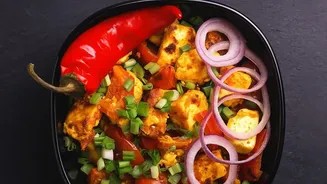
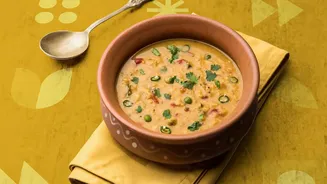
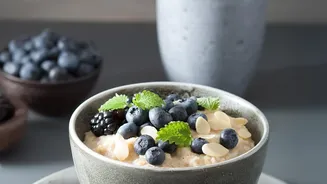
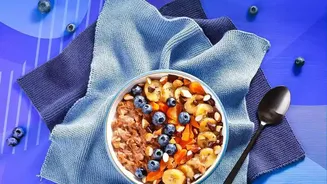
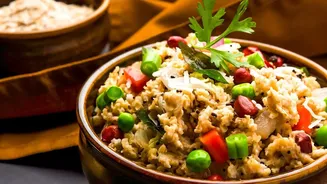
Oats have emerged as a primary beneficiary of this trend. Their versatility is a major factor; they can be prepared as sweet porridge, savoury upma-style dishes, or used in pancakes and smoothies. Brands have been quick to innovate, offering everything from plain rolled oats to masala-flavoured instant options to cater to the Indian palate. The market for oat-based snacks is also booming, expected to become a multi-billion dollar industry. But the movement isn't just about adopting a Western health grain. It's also about a renewed appreciation for traditional Indian breakfasts. Dishes like poha, upma, idli, and dosa are making a strong comeback. These meals are naturally nutritious, often combining complex carbohydrates with protein from lentils, healthy fats, and the anti-inflammatory benefits of spices. Many find these freshly prepared, less-processed meals to be more digestible and sustaining than their packaged counterparts.
How the Market is Responding
Food companies, from large multinationals to agile startups, are taking note. Legacy cereal brands are no longer just pushing corn flakes; they are heavily investing in and marketing their own lines of oats, muesli, and healthier multi-grain flakes with reduced sugar. The fastest-growing segments within the breakfast cereal market are now oat-based and organic options. Simultaneously, there is a surge in brands offering convenient, ready-to-cook mixes for traditional Indian breakfasts, bridging the gap between health and the time constraints of modern urban life. The focus has clearly shifted to what the consumer is demanding: transparency, nutritional value, and convenience without compromise. The future of the Indian breakfast market lies in this delicate balance, catering to a consumer who wants the ease of a quick meal but the goodness of a traditional one.