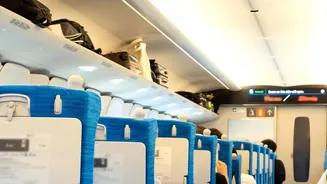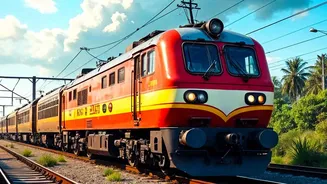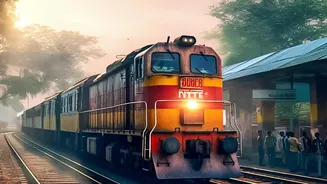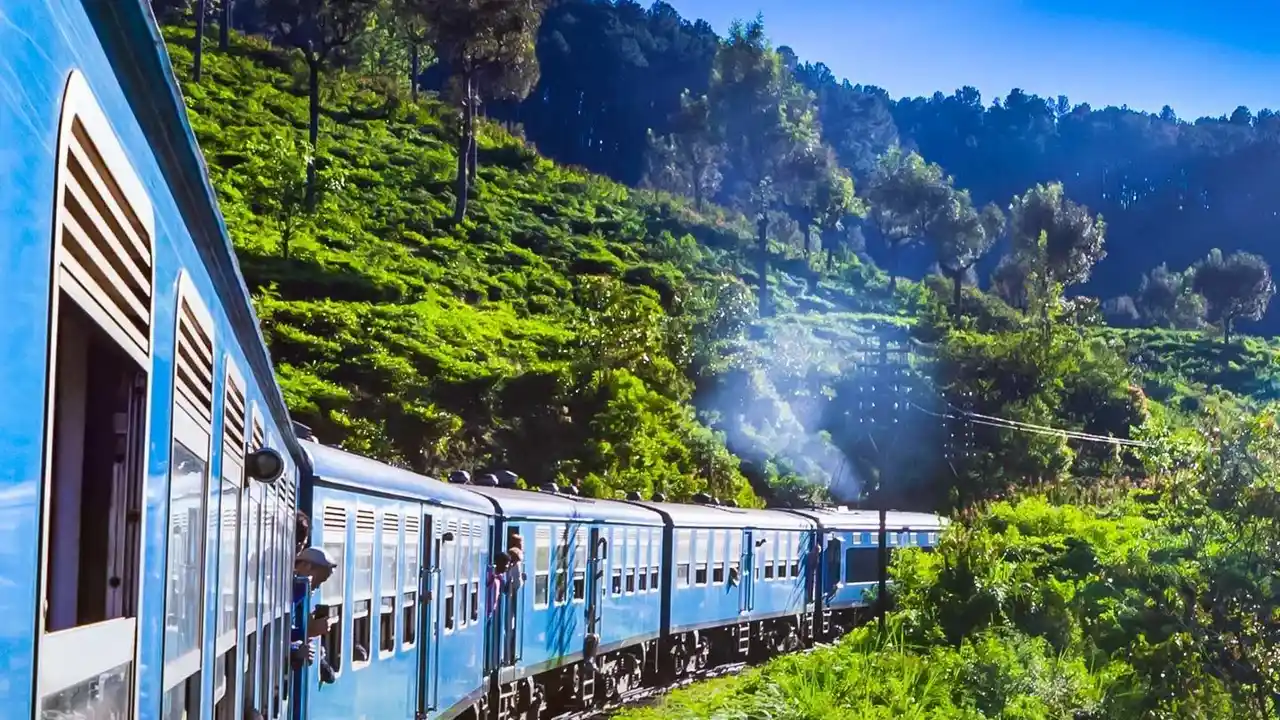





The Vande Bharat Express is known for raising the bar on Indian train travel, with onboard catering being a key part of its premium experience. Now, IRCTC is testing a significant change: a trimmed-down menu aimed at quality over quantity.
The Routes Under Review
This culinary
experiment is not happening across the board just yet. The Indian Railway Catering and Tourism Corporation (IRCTC) has initiated this pilot project specifically on its three Vande Bharat sleeper train routes. The trial, which began on November 1, 2026, is currently active on the Mumbai-Bengaluru, Howrah-Kamakhya (Guwahati), and New Delhi-Varanasi sleeper services. Officials have stated that they are closely evaluating passenger feedback on these routes before considering a wider rollout to other trains in the Vande Bharat network or other premium services. The focus on the sleeper variants is strategic, as these long-haul, overnight journeys place a greater emphasis on the quality and satisfaction derived from main meals like dinner and breakfast.
What's On The New, Trimmer Menu?
So what does this shift to a 'compact menu' actually mean for your meal tray? Essentially, less is more. The number of items in a standard meal has been reduced from a spread of eight to ten down to a more focused four. Items that have been removed from the regular meal service include accompaniments like soup, buttermilk, curd, pickles, and sweets. For breakfast, options like sandwiches and omelettes have also been cut from the trial menu. Instead, passengers are offered a choice between a few core dishes. For breakfast, this might be poha, upma, or idli-vada. For lunch and dinner, the meal now typically consists of chapati, rice, dal, and a single main course, which can be a vegetarian sabji or a non-vegetarian chicken dish. This airline-style approach has also reduced the overall weight of a meal from about 700-750 grams to a lighter 450-500 grams, though IRCTC officials maintain that the portion size of the main items remains the same.
The 'Quality Over Quantity' Rationale
The driving force behind this significant change is a direct response to passenger feedback. For years, complaints regarding the quality, hygiene, and freshness of food served on long-distance trains have been a persistent issue for Indian Railways. Passengers have reported everything from cold or stale meals to, in some unfortunate cases, finding insects in their food. Railway officials believe that by simplifying the menu, they can better control the entire supply chain. A smaller variety of dishes makes it easier for catering staff and supervisors to monitor preparation, ensure consistency, and maintain high standards of hygiene. To further bolster this effort, IRCTC has partnered with major cloud kitchens and established hospitality brands like TajSATS and the Mayfair Group to prepare the meals for this pilot project.
The Passenger Verdict So Far
While it is still early days for the trial, initial reports from IRCTC suggest the move might be paying off. The corporation's West Zone, for instance, reported a 10% decrease in catering-related complaints between early October and mid-November 2026, a period that includes the start of this new initiative. However, the response from travellers is nuanced. While many appreciate the focus on better quality, the reduction in meal size and variety has not gone unnoticed. Some passengers have raised questions about whether the catering charges, which are often included by default in the ticket fare, will be reduced to reflect the smaller meal. At the same time, there is a growing call from passenger associations for more regional diversity. For example, there is a demand to include Maharashtrian specialities like puran poli and zunka bhakar on the Mumbai-Bengaluru route, a suggestion IRCTC is reportedly exploring.