






More Than Just a Thread
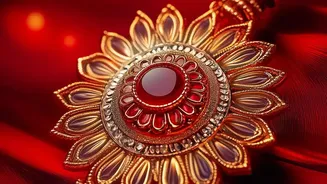
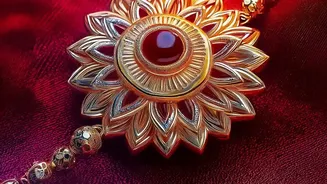
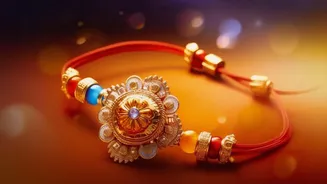
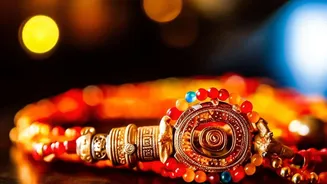
For generations, Raksha Bandhan has been a cherished festival, but the celebrations often left a trail of waste, from plastic-beaded rakhis to non-recyclable gift packaging. Traditional rakhis frequently contain synthetic threads, plastic, and glitter
that end up in landfills. This year, however, a growing environmental consciousness is reshaping how families celebrate. The trend is moving beyond just choosing a different kind of rakhi; it involves a holistic approach to the entire day. Families are opting for greener gatherings, mindful gifting, and decorations that don't harm the planet, reflecting a larger shift in consumer values. This conscious approach aims to create memories without creating waste, making the festival meaningful for both relationships and the environment.
The Rise of the Conscious Consumer
The demand for eco-friendly options is being driven by a new wave of consumers who want their purchasing decisions to reflect their values. This is especially true for younger, urban Indians and NRIs who are increasingly aware of issues like plastic pollution and climate change. They are actively seeking products that are not only beautiful but also have a positive story behind them. This mindset transforms a simple purchase into a statement of support for sustainability and ethical production. As a result, 'eco-friendly' is no longer a niche category; it's becoming a mainstream expectation for festive shopping. This shift is part of a broader trend where consumers are prioritising experiences and emotional significance over purely material goods.
What are Artisanal and Eco-Friendly Gifts?
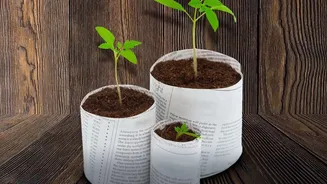
The eco-conscious movement has sparked incredible creativity in the gifting market. The most popular trend is the plantable or 'seed' rakhi, made from biodegradable paper embedded with seeds. After the festival, the rakhi can be planted to grow into herbs, flowers, or vegetables, turning a temporary token into a living plant that serves as a lasting reminder of the sibling bond. Beyond the rakhi itself, the trend extends to gifts like organic chocolates, handmade candles, plants, and reusable items. Artisanal products made from materials like jute, bamboo, terracotta, and natural fabrics are also gaining popularity. These items are not just environmentally friendly; they often come in plastic-free packaging and support traditional craft forms.
Supporting Artisans and Local Economies
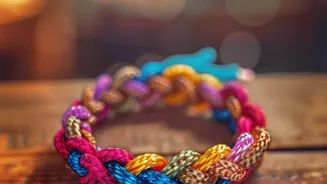
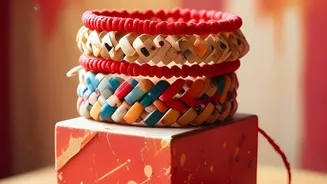
Choosing handmade and artisanal gifts has a significant positive impact that goes beyond the environment. It directly supports the livelihoods of local artisans and small businesses across the country. Many platforms now connect consumers directly with artisan groups, ensuring that the craftspeople behind the products are recognized and fairly compensated. When you buy a handmade Patwa threadwork rakhi from Rajasthan or a Dokra brass piece from West Bengal, you are helping to preserve traditional skills and empower rural economies. This focus on local, small-batch production offers a meaningful alternative to mass-produced goods, adding another layer of value to the act of gifting.
A Lasting Shift in Festive Traditions
This growing preference for sustainable celebrations is more than just a passing fad; it signifies a fundamental change in how we approach festivals. It merges tradition with modern values of responsibility and mindfulness. By choosing eco-friendly options, families are teaching the next generation about the importance of protecting the planet while honouring cultural rituals. The celebration becomes a powerful expression of love—not only for one's siblings but also for Mother Earth. This evolution ensures that cherished traditions like Raksha Bandhan can thrive in a way that is both beautiful and sustainable for years to come, turning a day of celebration into a force for positive change.