




Ditch the Calendar, Read the Plant
The idea of repotting all your houseplants every spring is a persistent but flawed piece of advice. While it's true that spring is an active growth period for many plants, a calendar date is an arbitrary trigger for a biological need. A fast-growing monstera
might need a new home in less than a year, while a slow-growing snake plant could be happy in the same pot for several years. Repotting is a significant, and sometimes stressful, event for a plant. Doing it unnecessarily can cause more harm than good. Instead of following a rigid schedule, the best approach is to learn the specific signals your plant sends when it's feeling cramped and ready for a move. This shifts your role from a task-master to a responsive caretaker who understands their plant's individual needs.
Top Signs It Is Time to Repot
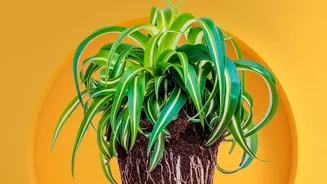
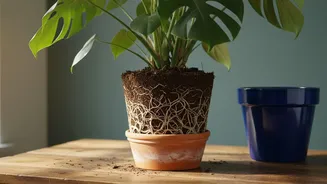
Your plants are constantly communicating. When it comes to needing a bigger pot, the signs are often clear if you know what to look for. The most obvious clue is roots peeking out of the drainage holes at the bottom of the pot. Some may even grow upwards, out of the topsoil, searching for space.Pay attention during watering. If water rushes straight through the pot and out the bottom, it's a sign that the pot is more roots than soil. Conversely, you may find the soil dries out extremely quickly, requiring you to water far more frequently than before. Another key indicator is stalled or stunted growth. If new leaves are noticeably smaller than older ones, or if the plant has stopped growing altogether during its active season, it's likely root-bound and starved for nutrients. Finally, if the plant has become top-heavy and tips over easily, it's a clear signal that the root system doesn't have a stable anchor.
Choosing the Right Pot and Soil
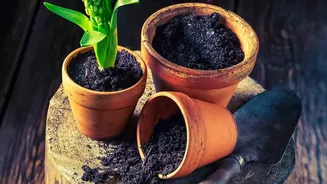
Once you've confirmed your plant needs a new home, the next step is choosing the right one. This is where a common and critical mistake is made: picking a pot that is too large. It might seem generous, but a pot that's too big holds excess soil that stays wet for too long, creating a perfect environment for root rot. The golden rule is to only go up one size—a new pot that is just one to two inches wider in diameter than the current one. Always ensure the new pot has drainage holes.The soil is just as important. Never use soil from your garden, as it's too dense, compacts easily, and can introduce pests. Use a quality potting mix designed for houseplants. Many plants have specific needs; for example, succulents and cacti require a grittier, fast-draining mix, while tropical plants prefer a mix that retains a bit more moisture.
The Repotting Process, Step by Step
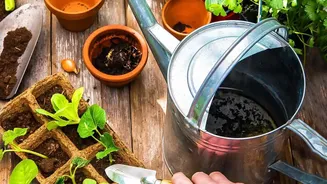
With your new pot and soil ready, it's time for the main event. First, water your plant a day before you plan to repot it; this helps reduce stress and makes it easier to remove from its current pot. To remove the plant, gently tip the pot on its side and slide the plant out—don't pull it by the stem. If it's stuck, tapping the sides and bottom of the pot can help loosen it.Once it's free, inspect the root ball. If the roots are circling in a dense mass, gently tease them apart with your fingers to encourage them to grow outwards into the new soil. Don't be afraid to trim any mushy, dark, or clearly dead roots with clean scissors.Add a layer of fresh potting mix to the bottom of the new pot. Place your plant in the center, ensuring the top of the root ball sits about an inch below the rim. Then, fill in the space around the root ball with more soil, gently patting it down to eliminate large air pockets. Do not pack it too tightly.
Aftercare for a Smooth Transition
The care you provide immediately after repotting is crucial for a speedy recovery. After settling the plant in its new pot, give it a thorough watering until you see water run from the drainage holes. This helps the new soil settle around the roots.However, this is not the time for pampering with food. Hold off on fertilizing for at least four to six weeks. Repotting creates tiny breaks in the root system, and fresh fertilizer can burn these tender, healing roots. It's also wise to keep the plant out of direct, intense sunlight for about a week. Repotting can temporarily inhibit a plant's ability to absorb water, and placing it in a shadier spot reduces moisture loss from the leaves while the roots recover. Your plant may look a little droopy for a few days—this is normal transplant shock. With proper aftercare, it will soon perk up and begin to enjoy its new, spacious home.