
Understanding When to Look
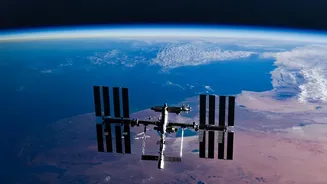
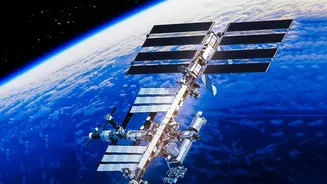
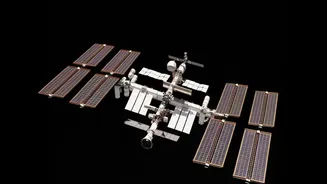
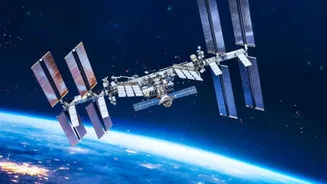
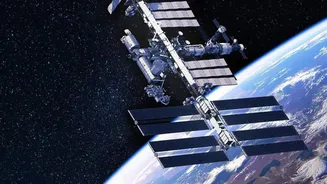
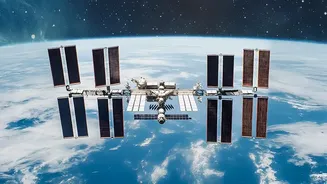
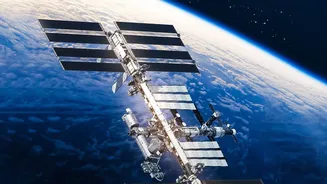
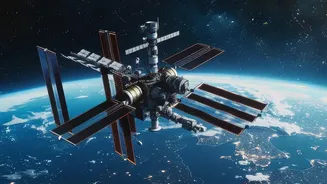
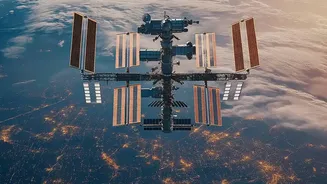
The International Space Station (ISS) is the third brightest object in the sky after the Sun and Moon. You don't see lights from the station itself, but rather sunlight reflecting off its large solar panels. This means the best time to see it is not in the dead
of night but during the hours around dawn and dusk. At this time, the sky is dark on the ground, but the ISS, orbiting 400 kilometres above, is still bathed in sunlight. While the headline suggests nightly viewings, the reality is that visibility comes in windows. Depending on the station's orbit, you might get several viewing opportunities in one week, and then none for a couple of weeks.
The Best Apps for the Hunt
Your smartphone is the most powerful tool for an ISS spotter. Several free and paid apps use your phone's GPS to tell you exactly when and where to look. NASA's official Spot The Station app (available for iOS and Android) is a fantastic, user-friendly starting point that provides sighting times and real-time tracking. Other highly-rated options include ISS Detector, which offers a simple interface and can be expanded to track other satellites, and Heavens-Above, a long-standing favourite among amateur astronomers. For a more immersive experience, apps like SkyView use augmented reality; you just point your phone at the sky, and it will identify the ISS as it passes.
Setting Up Your Sighting Alert
Once you've chosen an app, the key is to enable notifications. In the app's settings, allow it to access your location and send you alerts. Most apps will then notify you hours or a day in advance of a good viewing opportunity. These alerts will typically provide crucial information: the time the pass will begin, how long it will last (usually 3 to 6 minutes), its maximum height in the sky (90 degrees is directly overhead), and the direction it will appear from and disappear into. This takes all the guesswork out of the process, transforming a random search into a scheduled event.
What You're Looking For
When the alert goes off, head outside a few minutes early to let your eyes adjust to the darkness. Look in the direction the app indicates for the station to appear, which is often in the west. You are looking for a bright, steady point of light moving smoothly and quickly across the sky. It will look like a fast-moving, non-blinking star. Unlike an aeroplane, it will not have flashing red or green lights. It moves much faster than a plane, typically crossing the entire sky in just a few minutes before fading as it enters Earth's shadow. You don't need any special equipment; the ISS is easily visible to the naked eye, even from city centres.
Tips for a Perfect Viewing
To make the most of the experience, find a viewing spot with an unobstructed view of the sky, especially towards the horizon where the station will first appear. While you don't need them, a pair of binoculars can enhance the view, sometimes revealing the golden hue of the station's solar panels. A telescope is generally not recommended for beginners, as the station moves too fast to easily track with high magnification. The most important thing is simply to be ready and look up. The sight of this human outpost, travelling at 28,000 kilometres per hour, is a powerful reminder of the incredible feats of exploration happening just above our heads.