





Goodbye to the Checklist
For years, the blueprint for a successful Indian holiday was clear: cover as much ground as possible. It was a blur of 6 a.m. alarms, packed sightseeing buses, and a relentless quest to photograph every monument on a pre-planned route. This “landmark-hopping”
approach was about collecting destinations, often leaving travellers exhausted and with only a superficial understanding of the places they visited. But this model is being quietly rewritten. An increasing number of young Indians are consciously moving away from these cookie-cutter vacations, seeking journeys that are more intentional and restorative. The goal is no longer to just see a place, but to truly experience it.
The Rise of Slow, Immersive Travel
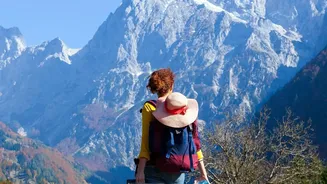
Enter slow and experiential travel. This approach encourages travellers to stay longer in one place, ditching the packed schedule to connect with the local culture, people, and environment on a deeper level. It's about participation over observation. Instead of just tasting local food in a restaurant, it might involve a market visit followed by a cooking class in a local home. Rather than just driving through a village, it means staying in a homestay, learning about local crafts, or participating in community life. This shift is driven by a desire for memories over just photos, and authentic stories over social media snapshots. As one tour operator notes, travellers want to return with stories, not just pictures.
Why the Sudden Shift?
Several factors are fuelling this change. A primary driver is a reaction to modern urban life and widespread burnout. A 2024 Deloitte survey found that 70% of Indian Gen Z and millennials reported workplace burnout. For many, a fast-paced holiday simply recreates the stress they're trying to escape. Relaxation has become a key motivation for travel, with a 2026 report from Agoda noting it as a priority for 67% of Indian travellers. Furthermore, the rise of remote and flexible work has been a game-changer. 'Workations' allow professionals to blend work and leisure, making longer stays in scenic locations like Goa, Rishikesh, or Coorg more feasible than ever. For many young Indians, a trip is no longer about escaping life, but integrating it with new experiences.
What It Looks Like in Practice
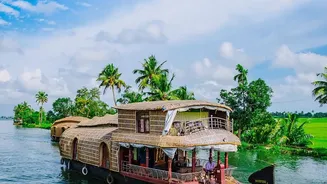
This new travel philosophy manifests in various ways. Farm stays are surging in popularity, offering an antidote to city life with fresh food and open fields. Homestays and boutique hotels are being chosen over large, impersonal chains, as they offer a more authentic connection and ensure tourism money directly benefits local communities. There is a growing interest in destinations known for wellness and nature, with places like Dharamshala and Rishikesh seeing a significant increase in accommodation searches. Travellers are also becoming more conscious of their impact. According to one survey, 88% of Indian travellers now consider sustainability in their choices, favouring less-crowded destinations and eco-friendly practices. This includes everything from participating in community-led tourism to simply reducing their environmental footprint.
A New Generation's Priorities
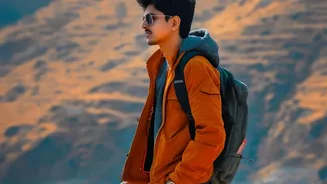
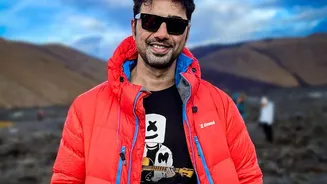
Ultimately, this trend is being championed by a younger generation—primarily Gen Z and Millennials—who value experiences over possessions. This demographic is digitally savvy, independently minded, and driven by a desire for personal growth and cultural engagement. They are not just passive consumers of tourism but active participants seeking to learn, connect, and even contribute. For them, a trip's success is measured by the depth of the connection made, not the number of landmarks ticked off a list. It is a fundamental change in the definition of a journey, prioritising purpose and presence over pace and prestige.