

The Philosophy of Vrat: More Than Just Food
Navratri fasting, or 'vrat', is deeply rooted in the principles of Ayurveda and spiritual discipline. The goal is to detoxify the body and calm the mind, making one more receptive to spiritual energies. This is achieved by consuming 'sattvic' foods—those
that are pure, light, and easy to digest. The diet typically excludes grains like wheat and rice, lentils, onions, garlic, eggs, and meat. These are considered 'tamasic' (dulling) or 'rajasic' (overstimulating). Instead, the focus shifts to a specific pantry of ingredients that align with this philosophy of purity and balance, especially during a seasonal transition when immunity can be lower.
The North Indian Fasting Thali
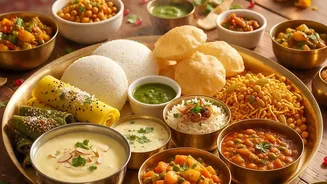
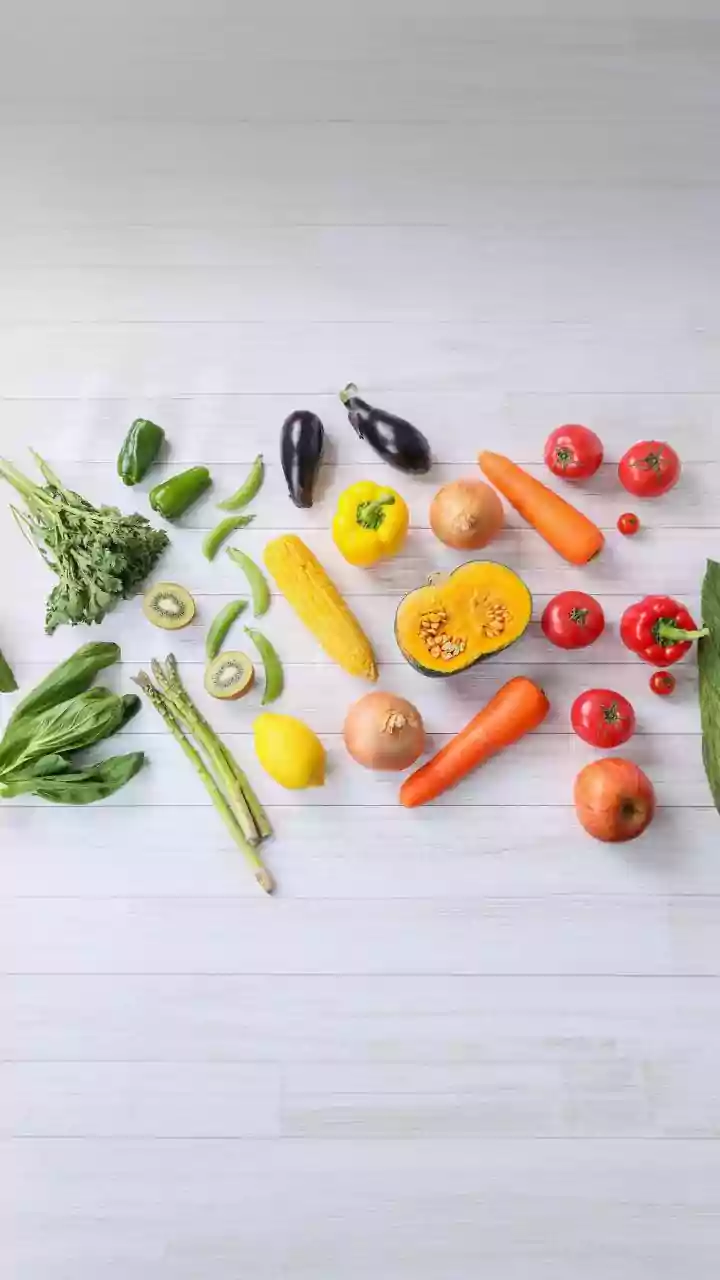
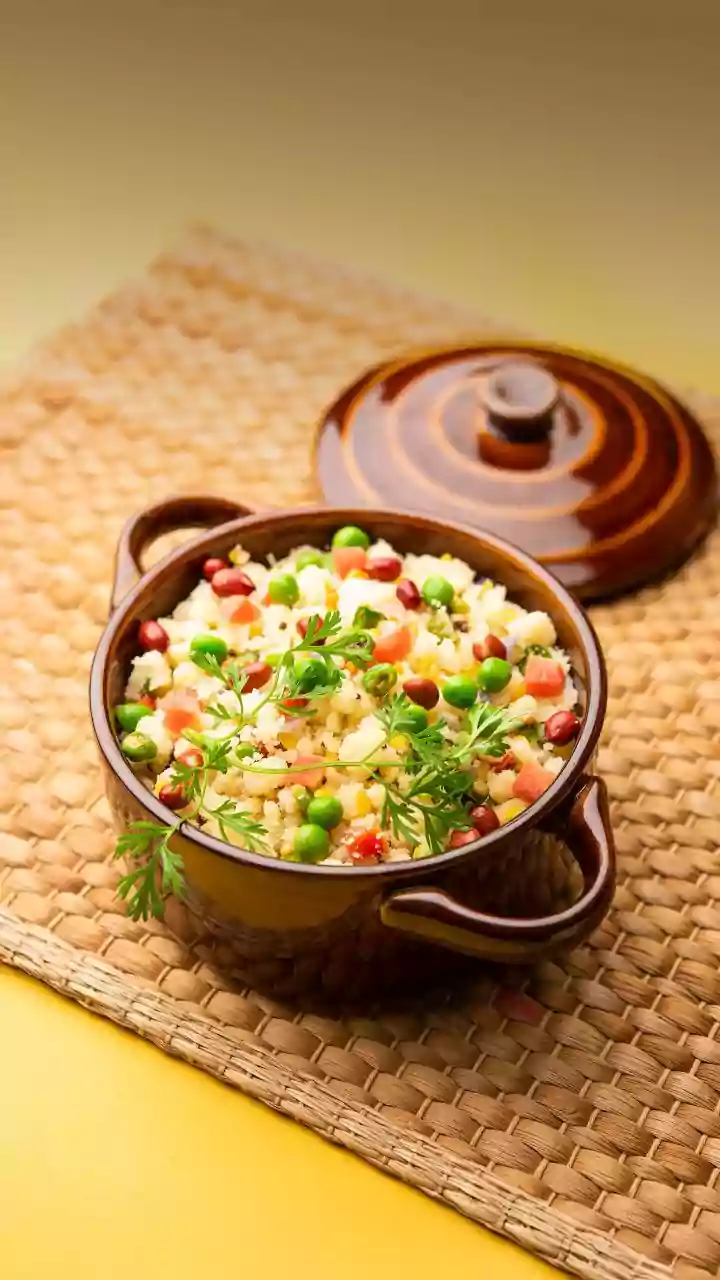
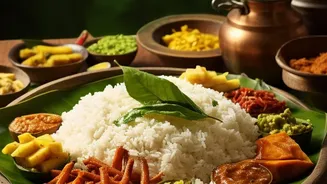
In North India, the Navratri vrat thali is a creative showcase of alternative grains and vegetables. Flours like Kuttu (buckwheat) and Singhara (water chestnut) are used to make pooris, parathas, and pakoras. Samak ke chawal, or barnyard millet, serves as a substitute for rice, often prepared as a simple pulao or a creamy khichdi. Potatoes, sweet potatoes, pumpkin, and arbi (colocasia root) are the staple vegetables, typically cooked in a light tomato-based gravy seasoned with sendha namak (rock salt), cumin, and ginger. Dairy products like paneer, yogurt, and milk are also integral, providing protein and keeping energy levels stable.
Western India's Flavourful Fast
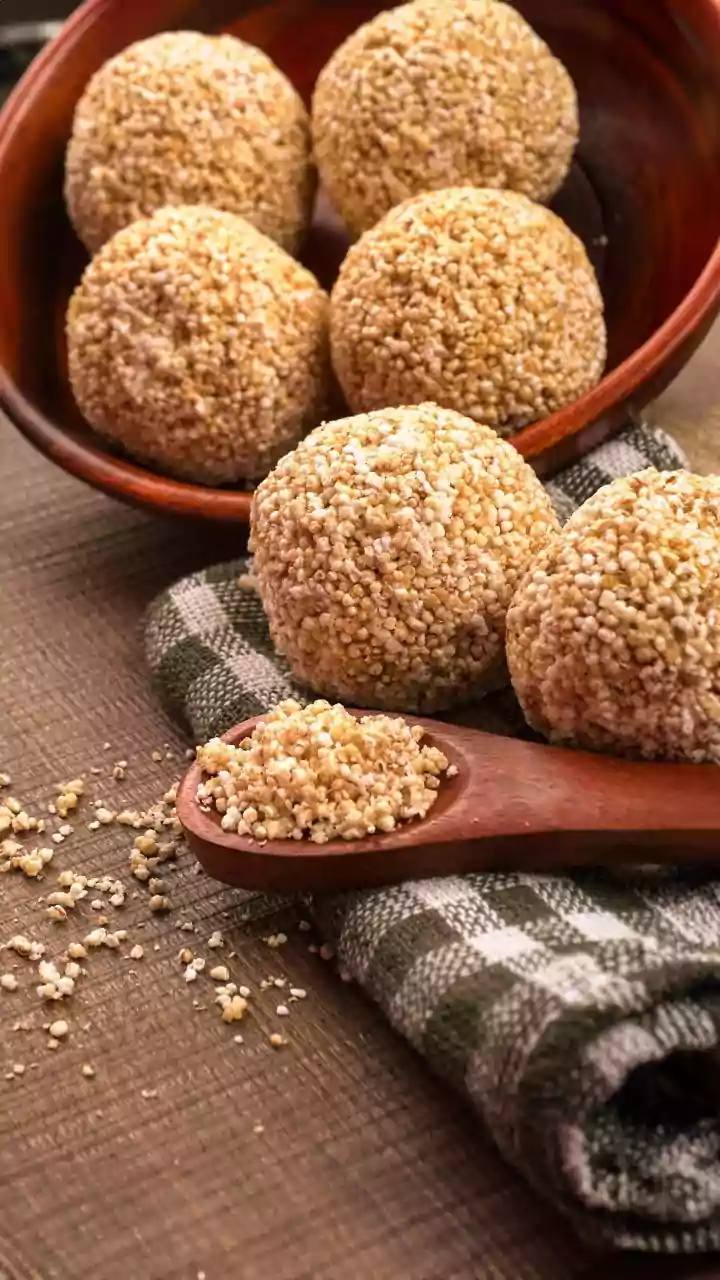
In Gujarat and Maharashtra, fasting foods are both delicious and energising, designed to fuel nights of Garba and Dandiya. Sabudana (tapioca pearls) is the star ingredient, transformed into the beloved Sabudana Khichdi, tossed with peanuts, or made into crispy Sabudana Vadas. These dishes provide a quick source of carbohydrates for sustained energy. In Gujarat, the 'farali' (fasting) menu includes innovative dishes like Farali Handvo, a savoury cake made from fasting flours and grated vegetables. Rajgira (amaranth) flour is also popular, used to make theplas and pooris. These preparations highlight the region's knack for creating flavourful snacks even within the constraints of fasting rules.
A Different Approach in the South
While elaborate fasting with specific grain substitutes is more common in the north and west, South Indian traditions during Navratri often take a different path. The festival, especially in Tamil Nadu, Karnataka, and Andhra Pradesh, is celebrated with the 'Golu' doll display. Here, the culinary highlight is 'Sundal', a simple and nutritious stir-fry made from different legumes like chickpeas, green gram, or peanuts. A different variety of sundal is prepared each of the nine days as an offering (prasadam) and distributed to guests. While some may observe fasting, the community focus is often on these daily offerings, along with sweet dishes like Payasam, a pudding made from rice or vermicelli.
Beyond the Plate: A Time for Renewal
Across all regions, the underlying theme of Navratri food is mindfulness. It's a culinary tradition that celebrates seasonal and local produce while encouraging discipline and simplicity. The ingredients used are not just random substitutes but are chosen for their nutritional properties and ease of digestion. For instance, buckwheat is gluten-free and rich in nutrients, while rock salt is considered purer than processed table salt. This dietary shift is believed to give the digestive system a rest, boost immunity, and enhance mental clarity. It’s a testament to a tradition that beautifully intertwines faith, food, and well-being.