







Before You Leave: Check the Forecast
The first rule of monsoon commuting is to plan ahead. Before stepping out, always check the latest weather forecast from the India Meteorological Department (IMD). The IMD has issued alerts for heavy rainfall across several states, advising commuters
to be cautious. You can use the official 'Mausam' app, which provides weather forecasts, radar images, and warnings for impending weather events. Other useful government-backed apps include 'Damini' for lightning alerts and 'Meghdoot' for weather information relevant to farmers, which can also be useful for general commuters. Knowing the forecast can help you decide whether to leave earlier, take an alternate route, or even work from home if possible.
Your Monsoon Commuting Kit
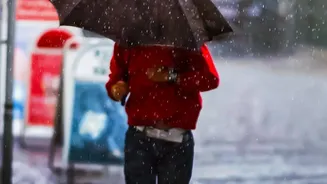
A well-packed bag can make a huge difference. Your essentials should include a sturdy umbrella and a reliable raincoat. To protect your electronics like laptops and phones, use a waterproof backpack or carry zip-lock pouches. A power bank is a lifesaver when unexpected delays drain your phone battery. It's also wise to carry a small microfibre towel, an extra pair of socks, and a bottle of drinking water. Keeping a spare set of clothes and shoes at your workplace is a great strategy to stay comfortable and professional after a wet journey.
Dressing for the Downpour
Choosing the right attire can prevent a lot of discomfort. Opt for quick-drying fabrics and, if possible, wear shorts or pants that can be easily folded up to avoid getting them soaked in puddles. Footwear is crucial for safety. Wear shoes or sandals with a strong grip to avoid slipping on wet, muddy platforms and staircases, which are common sites for accidents. Avoid leather shoes as they get ruined by water. Instead, choose rubber or synthetic footwear that can handle the wet conditions and dry quickly.
Navigating Roads and Public Transport
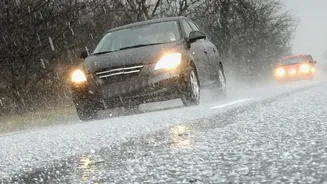
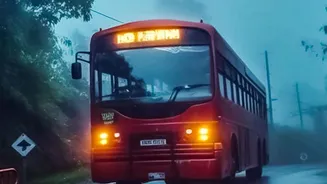
For those driving cars or riding two-wheelers, the monsoon presents significant risks. Reduce your speed, as wet roads are slippery and braking distances increase. Maintain a safe distance from the vehicle in front of you, as visibility is often poor during heavy rain. Be extremely cautious of potholes and open drains hidden under waterlogged streets; it's safest to avoid driving through standing water if you cannot judge its depth. For public transport users, be prepared for delays. Live train and bus tracking apps can help you monitor schedules and avoid crowded stations. When boarding trains, be mindful of the gap and slippery surfaces, and it is better to miss a train than risk an accident by rushing.
Staying Healthy During Monsoon
The monsoon season sees a spike in various water-borne and vector-borne diseases like dengue, malaria, typhoid, and cholera. Stagnant water becomes a breeding ground for mosquitoes, and contaminated water can lead to serious infections. To protect yourself, avoid wading through floodwater, which can be contaminated and lead to infections like leptospirosis. Maintain personal hygiene by washing your hands frequently. It's also advisable to avoid street food, especially uncooked items, as the risk of contamination is higher during this season. Drink only boiled or filtered water to prevent water-borne illnesses.