




A Return to Tradition
Across India's urban centres, a subtle but significant shift is underway. Younger hosts, many of them millennials and Gen Z, are looking past conventional partyware and embracing a more sustainable, culturally rooted approach to their festive gatherings.
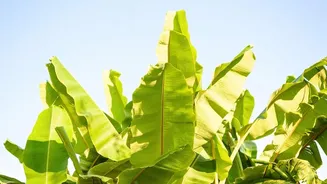
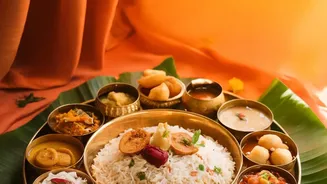
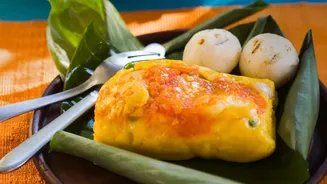
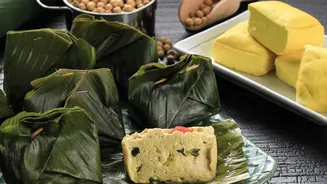
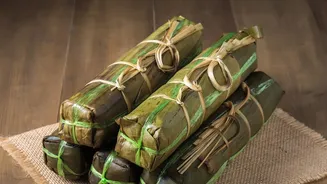
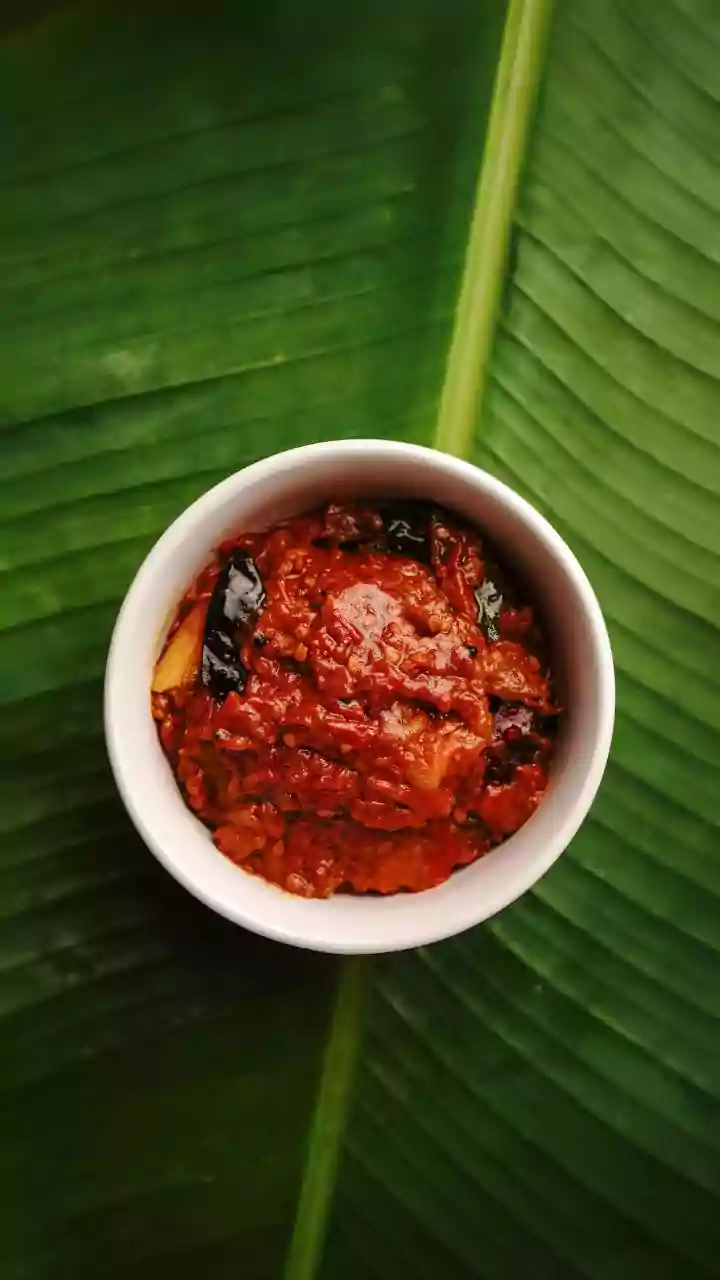
Instead of plastic or paper plates, they are turning to banana leaves, a practice that has been part of Indian culture for centuries. This isn't just about nostalgia; it's a conscious choice. These hosts are thoughtfully curating experiences that are both modern in their environmental awareness and timeless in their respect for tradition. From intimate Diwali dinners to larger community celebrations, the sight of vibrant meals served on fresh green leaves is becoming a symbol of a new, eco-conscious hospitality.
The Wisdom of the Banana Leaf
Choosing a banana leaf is more than just an aesthetic decision; it's packed with practical and environmental benefits. Banana leaves are fully biodegradable and compostable, returning to the earth within a short time and leaving no toxic residue behind. This directly combats the mountains of single-use plastic waste that often accompany large celebrations. Beyond their eco-friendly credentials, banana leaves are also hygienic, thanks to their natural waxy coating and antimicrobial properties. When hot food is placed on a leaf, it releases polyphenols, the same type of antioxidants found in green tea, which can add subtle nutrients to the meal. The leaf also imparts a faint, earthy aroma that enhances the flavour of the food, turning a simple meal into a richer sensory experience.
From the Farm to the Feast
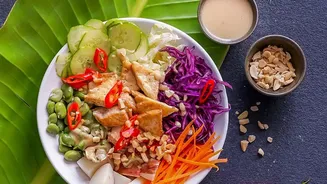
This sustainable mindset extends beyond the serving vessel to the food itself. The second pillar of this trend is a commitment to sourcing regional and organic produce. The farm-to-table movement, once a niche concept, is gaining significant momentum across India. Young hosts are increasingly connecting with local farmers and markets to buy seasonal ingredients. This choice supports local economies, reduces the carbon footprint associated with transporting food over long distances, and ensures that the food served is fresh, flavourful, and free from harmful chemicals. This focus on local produce is not just about sustainability; it's also about a renewed interest in India's vast and varied culinary heritage, celebrating indigenous ingredients that have been part of traditional diets for generations.
Why This Trend is Taking Root Now
Several factors are driving this movement. For one, there is a growing global consciousness around environmental issues, and Indian youth are actively seeking ways to make their lifestyles more sustainable. They are more aware of where their food comes from and the impact of their consumption choices. This generation, exposed to global trends yet deeply connected to their roots via social media and a renewed cultural pride, is finding a unique way to express its identity. By blending the age-old practice of using banana leaves with the modern ethos of organic and local eating, they are creating a new narrative for Indian hospitality. It’s a move away from the hyper-commercialisation of festivals towards more mindful, authentic, and meaningful celebrations.
Making Your Celebrations Greener
Adopting these practices is easier than it might seem. For your next gathering, consider sourcing banana leaves from a local market; they are widely available in many parts of the country. Explore nearby farmers' markets for seasonal vegetables and fruits. Planning meals around what is locally available can be a creative and rewarding process. The goal isn't perfection but progress. Even small changes, like avoiding plastic cutlery, segregating waste for composting, or choosing reusable decorations, contribute to a larger positive impact. This approach encourages a celebration that is not only joyful for guests but also gentle on the planet.