






Understanding Everyday Stiffness
That tight, restricted feeling you get after a long meeting or a marathon work session is usually just benign stiffness. Our bodies are designed to move. When we sit for long periods, the synovial fluid that lubricates our joints doesn't circulate as
well, leading to a feeling of tightness. This is often coupled with muscle fatigue and poor posture, which strains the neck and back. The good news is that this kind of stiffness is temporary. It typically eases within a few minutes of moving around, stretching, or walking. Think of it as your body's way of saying, 'It's time for a movement break'.
What Is Joint Disease?
Joint disease, most commonly arthritis, is not a temporary state but a chronic medical condition. The two most prevalent types are osteoarthritis (OA) and rheumatoid arthritis (RA). Osteoarthritis is a 'wear and tear' degenerative disease where the protective cartilage in joints breaks down over time, causing bone to rub against bone. This is often linked to age, past injuries, or excess weight. Rheumatoid arthritis is different; it's an autoimmune disease where the body’s own immune system mistakenly attacks the lining of the joints, causing widespread inflammation. Unlike simple stiffness, joint disease involves actual damage or inflammation within the joint itself.
Stiffness vs. Arthritis: The Key Differences
Distinguishing between the two often comes down to a few key signs. The duration of morning stiffness is a major clue. With simple stiffness or OA, this feeling usually lasts less than 30 minutes. With RA, morning stiffness is more severe and can persist for over an hour. Another sign is the nature of the pain. Sedentary stiffness is a dull ache that improves with activity, while arthritic pain can be sharp, deep, and may worsen with movement. Finally, look for other symptoms. Simple stiffness is just that—stiffness. Arthritis, particularly RA, often brings other signs like visible swelling, redness, warmth around the joint, and even systemic symptoms like fatigue and low-grade fever.
How to Manage Sedentary Stiffness
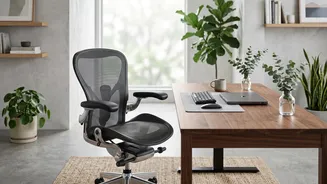
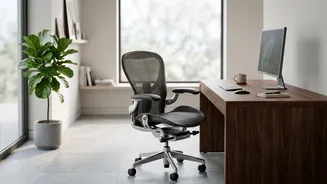
Preventing and managing the aches of a desk job is about reintroducing movement into your day. The simplest rule is to take regular 'movement snacks'. Aim to stand, stretch, and walk around for a few minutes at least once every hour, and ideally every 30 minutes. Simple desk stretches for your neck, shoulders, and back can release tension. Also, pay attention to your workspace. An ergonomic setup—with your chair, desk, and monitor adjusted for proper posture—can significantly reduce strain on your muscles and spine. Staying hydrated and incorporating strengthening exercises for your core and glutes will also help support your joints better.
When to See a Doctor
While most workday aches are manageable, certain red flags warrant a professional opinion. You should schedule an appointment with your doctor if your joint pain is persistent and lasts for more than a few days, or if it is severe enough to wake you up at night. Other critical signs include visible swelling, redness, or warmth around the joint, a limited range of motion that doesn't improve, or if the joint feels unstable. If you experience these symptoms, it's important to get an accurate diagnosis. Your primary care physician can assess your condition and may refer you to a specialist like an orthopedist or a rheumatologist for further evaluation.