





The Psychology of a Cozy Space
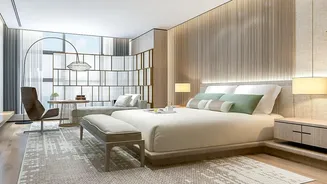
Before diving into specific hacks, it’s important to understand the goal: making a small room feel inviting, not cramped. This is less about physical space and more about perception. Harsh overhead lights and bare walls can make a room feel cold and stark.
The key is to introduce elements that add warmth, texture, and personality, tricking the eye and creating a sense of comfort and depth. Interior design isn't just about what you see; it's about how a space makes you feel. A cozy atmosphere taps into our need for security and relaxation, and that’s where strategic lighting and textiles come into play.
Embrace the Glow of Warm Lighting
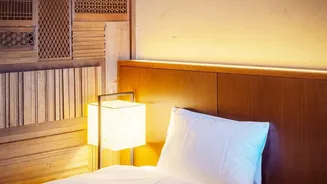
The single most effective change you can make in a bedroom is switching your lighting. Cool, blue-toned light mimics daylight, which can increase alertness—great for an office, but not for a space meant for rest. Warm lighting, which has a golden or amber hue similar to candlelight or a sunset, signals to our brains that it's time to unwind. This type of light is essential for creating a relaxing, intimate atmosphere. It softens textures, makes colours appear richer, and reduces the harsh shadows that can make a small room feel smaller. Studies even show that warm light in the evening can help promote the production of melatonin, the hormone that regulates sleep.
Budget-Friendly Lighting Solutions
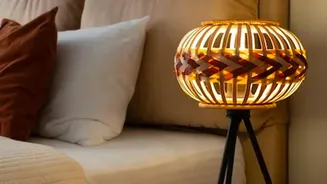
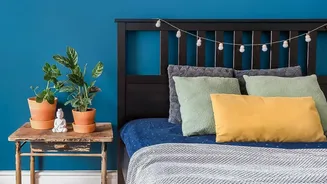
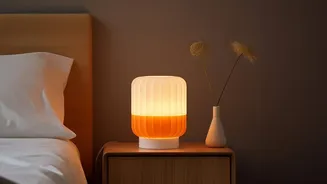
You don't need expensive fixtures to achieve this effect. Start by simply swapping out your existing cool-toned LED or fluorescent bulbs for warm-toned versions (look for a colour temperature between 2000K and 3000K). Beyond that, layering your light is a professional trick that's easy to replicate. Instead of relying on one overhead source, use multiple, smaller lights. Think about adding a small table lamp with a fabric shade on your nightstand, draping inexpensive fairy lights or string lights around a window frame, or placing a salt lamp in a corner for a soft, ambient glow. These options are affordable and add instant character and warmth.
Tapestries: The Ultimate Space-Saver
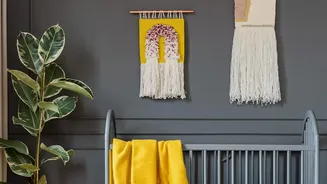
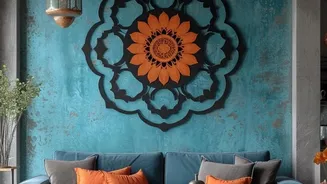
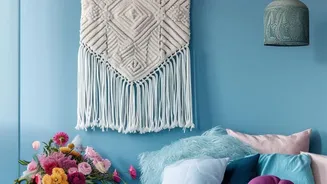
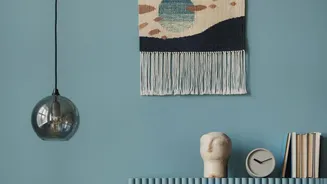
Bare walls can feel impersonal, but framed art can be expensive and bulky. A tapestry is a perfect solution for adding a massive visual impact without a high cost or a single nail if you use temporary hooks. Textiles inherently add a layer of softness and texture that painted walls lack. In a small bedroom, a tapestry can act as a powerful focal point, drawing the eye and adding a burst of personality. It can also create the illusion of a feature wall without the commitment of paint or wallpaper. A large-scale tapestry hung behind a bed is a classic designer trick to create a grand, makeshift headboard that adds softness and drama without taking up any floor space.
How to Choose and Hang Your Tapestry
When selecting a tapestry for a small room, consider the scale and colour. A design with a large pattern can actually feel less busy than one with a small, repetitive print. Choosing a tapestry with some vertical elements can help draw the eye upward, creating an illusion of height. When it comes to colour, you can either pick a tapestry that complements your existing bedding and decor or choose a bold one to serve as the central piece that inspires the rest of your colour scheme. Hanging it so that it covers a significant portion of the wall makes it feel intentional and architectural, rather than like a temporary poster.
Bringing It All Together
The real magic happens when you combine these two elements. The soft, warm glow from your layered lighting will illuminate the fabric of the tapestry, highlighting its texture and making the colours appear even richer and deeper. This combination creates an unparalleled sense of coziness and depth. The light softens the entire room, while the tapestry provides a textural anchor and a dose of personal style. It’s a sensory experience that makes the room feel not just decorated, but truly curated and inviting.