
Embrace the 'Slow Decorating' Philosophy
Slow decorating is the intentional and thoughtful approach to designing your space, moving away from the pressure to finish everything at once. It mirrors the 'slow food' and 'slow fashion' movements, prioritizing quality, longevity, and personal meaning
over fast-paced consumerism and fleeting trends. The goal is to create a home that tells your story, filled with objects you genuinely love and that have been collected over time. This approach encourages you to live in your space, understand its rhythms—like where the morning sun hits or which corner naturally becomes a reading nook—and make decisions based on your actual life, not just a pre-set design plan. The result is a space that not only looks good but also deeply supports your well-being.
Stage 1: The Foundation and Function
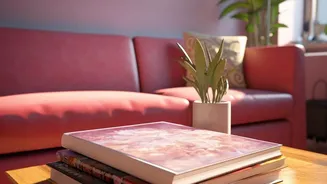
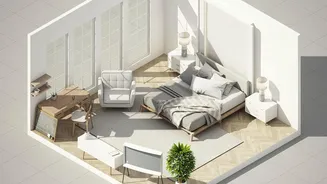
Every great room starts with a solid foundation. Before you even think about decorative accessories, focus on the 'bones' of the space. This stage is about function and core furniture. Start by defining the primary purpose of the room. Is it for relaxing, working, or entertaining? Your answer will guide your biggest investments. The first priorities should be items you use daily, like a comfortable bed, a functional dining table, or a quality sofa. This is also the time to address architectural elements like wall color and flooring. A fresh coat of paint is one of the most impactful, low-cost changes you can make. When budgeting, plan to invest the most in these foundational pieces, as they will anchor the room for years to come.
Stage 2: Layering in Key Textiles and Lighting
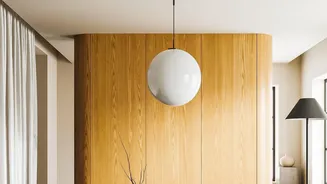
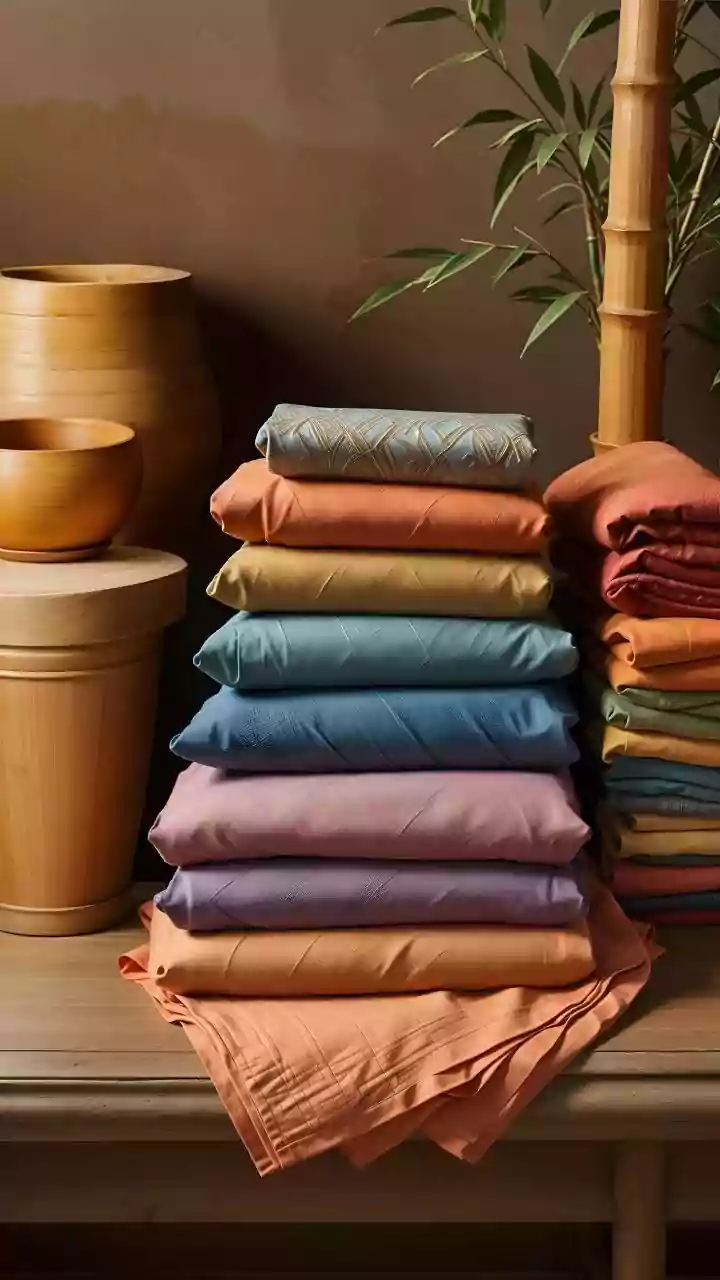
Once your foundational furniture is in place, the room will be functional but may feel a bit sparse. Stage two is about adding warmth, texture, and ambience. This is where you introduce key textiles like a great area rug and window treatments. A rug can define a seating area, add colour and pattern, and make the entire space feel more cohesive. Similarly, curtains or blinds provide privacy and light control while softening the hard edges of windows. Lighting is another critical layer. Don't rely solely on a single overhead fixture. Add floor lamps for reading, table lamps for ambient glow, and accent lighting to highlight art or architectural features. Thoughtful lighting can completely change the mood of a room.
Stage 3: Adding Personality with Art and Objects
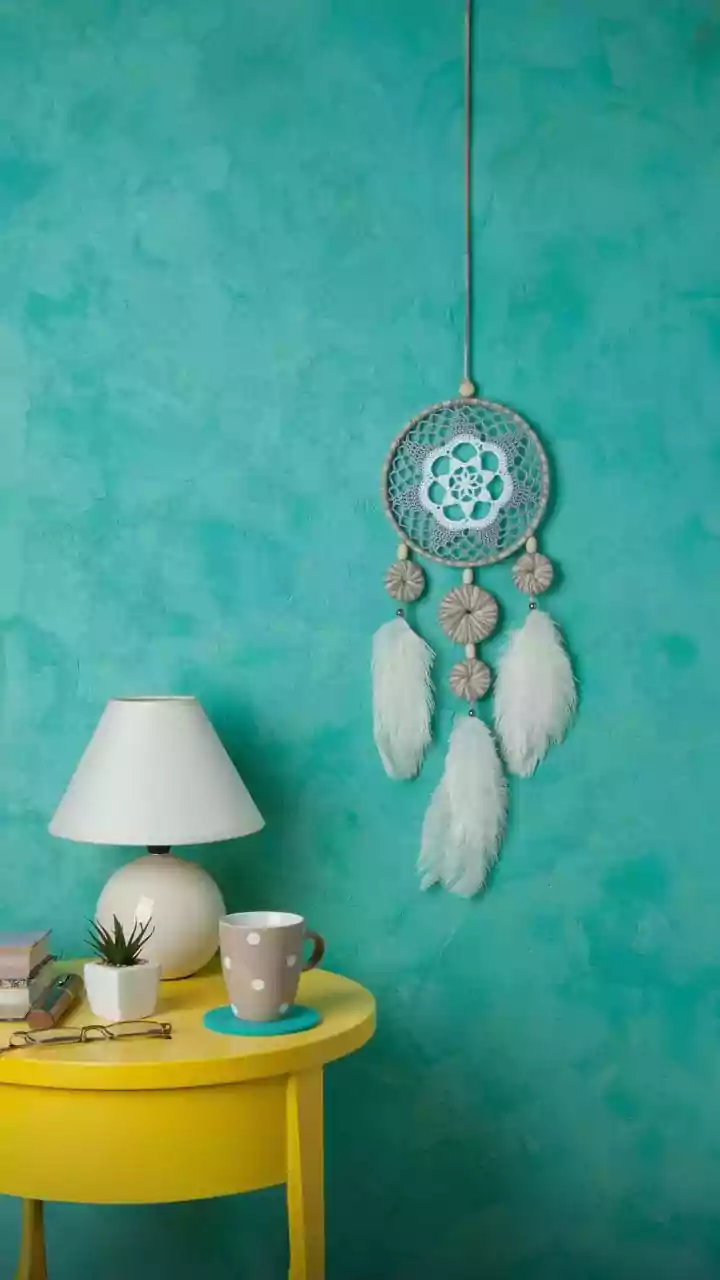
This is arguably the most personal and enjoyable stage of the process. With the functional and textural layers in place, you can now focus on infusing the room with your personality. This includes hanging artwork, displaying collections, and adding decorative objects. Don't rush to fill every empty wall and surface. The beauty of slow decorating is that you collect these items over time—a piece of art from a local fair, a vase from a vacation, a family heirloom, or a book that has special meaning. These are the things that make a house feel like a home. Arrange objects in small groupings (or 'vignettes') on tables and shelves, and don't be afraid to mix high-end pieces with thrifted finds. It's this unique mix that will truly reflect your personal style.
Stage 4: The Continuous Edit and Evolution
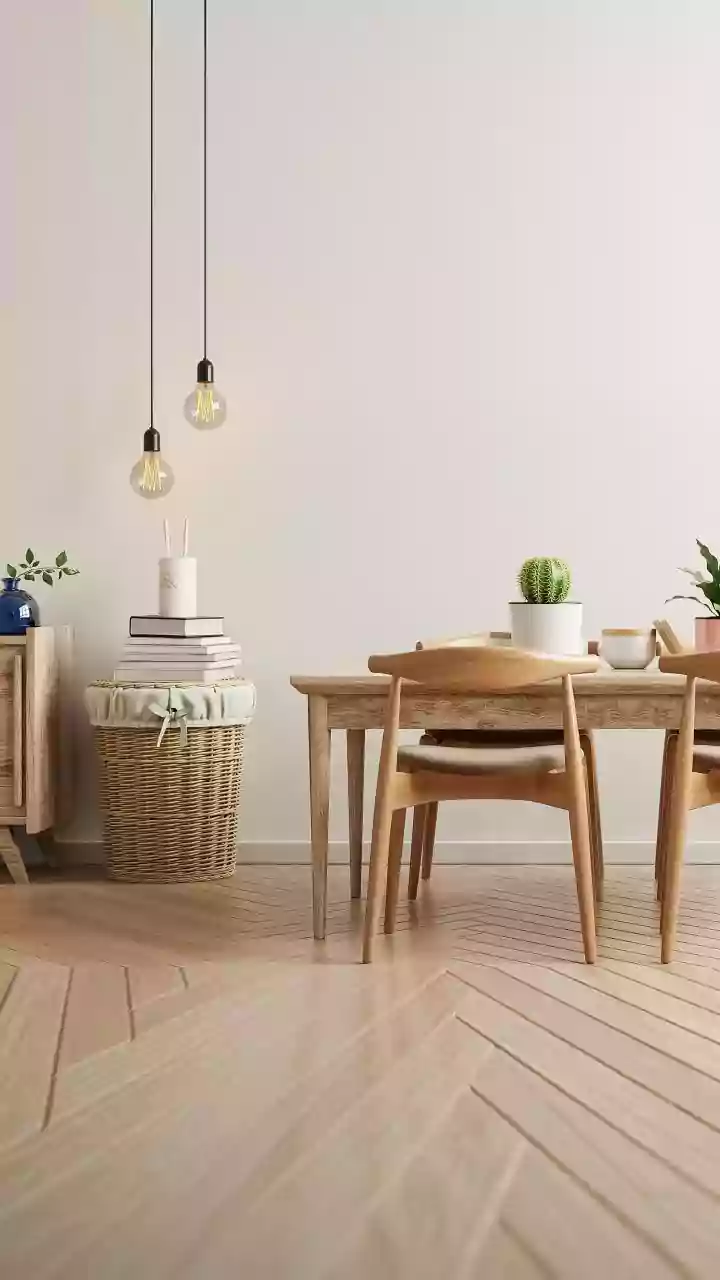
A well-designed room is never truly 'finished' because your life and tastes are always evolving. The final stage is about embracing this evolution. It involves editing, rearranging, and refining your space over time. You might swap out pillows for a seasonal refresh, find a new piece of art that prompts a gallery wall rearrangement, or realize a piece of furniture works better in another room. Living in the space will give you clarity on what works and what doesn't. This continuous, low-pressure editing process ensures your home remains a dynamic and true reflection of you, preventing it from feeling stale or dated. It’s the final step in moving away from the idea of a 'perfect' room and towards a perfectly imperfect home that grows with you.