





The Allure of the Big Number
Walk down any supermarket aisle, and you'll see it emblazoned on everything from biscuits and breakfast cereals to ice cream: 'High in Protein'. This marketing works because we associate protein with muscle building, satiety, and overall health. Food
companies know this well. Under the Food Safety and Standards Authority of India (FSSAI), a product can be labelled 'high in protein' if it contains at least 20% of the recommended dietary allowance (RDA) for protein. For a solid food, that can be as little as 12 grams of protein per 100 grams. While this isn't necessarily a tiny amount, it doesn't guarantee the product is healthy. Often, a high protein claim can create a 'health halo,' making us overlook other, less desirable ingredients lurking in the list.
The Quality Question: Complete vs. Incomplete
Not all protein is created equal. The quality of a protein is determined by its amino acid profile. There are nine essential amino acids that our bodies cannot produce on their own and must get from food. Proteins that contain all nine are called 'complete proteins'. Animal sources like meat, eggs, and dairy are typically complete proteins. Plant-based proteins often lack one or more of these essential amino acids, making them 'incomplete'. While eating a variety of plant sources (like rice and beans) can provide a complete profile over the day, a packaged food might derive its protein from a single, lower-quality source like collagen, which is an incomplete protein. A product can therefore boast a high gram count, but if the protein is of low quality, your body can't utilise it as effectively for functions like muscle repair.
Look Out for Hidden Saboteurs
This is perhaps the most important part of the story: what else is in the package? Many high-protein products are loaded with sugar, unhealthy fats, and sodium to make them taste better. A protein bar with 20 grams of protein might also contain 25 grams of sugar, making it more akin to a candy bar. Flavoured yogurts, sauces, and breakfast cereals are common culprits where added sugars hide in plain sight. The ingredient list is your best friend here. Ingredients are listed in descending order by weight, so if sugar or a type of syrup appears near the top, it's a major component of the product. A truly healthy choice will not only be high in protein but also low in added sugars and saturated fats, and ideally, contain a good amount of fibre.
Can Your Body Even Use It?
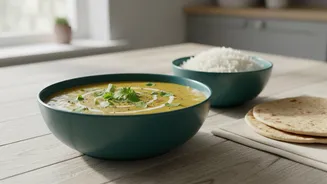
Beyond quality, we have to consider 'bioavailability'—the proportion of protein that can actually be absorbed and used by your body. A protein's source and how it has been processed can significantly impact its bioavailability. Harsh processing with high heat can damage the structure of amino acids, making them less available for your body to use. While it's difficult for a consumer to know the exact processing methods used, this highlights why relying on whole or minimally processed foods is often a safer bet. The protein in a simple bowl of dal or a boiled egg is generally more bioavailable than heavily processed powders or snacks.