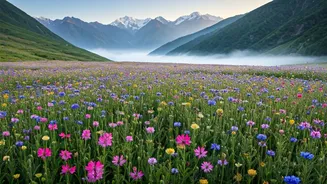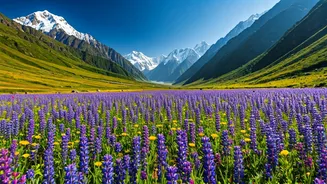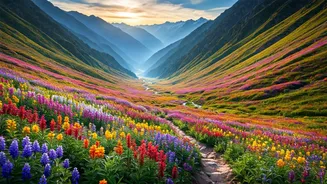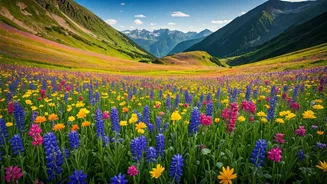





Why This Trek Is a Once-in-a-Lifetime Experience
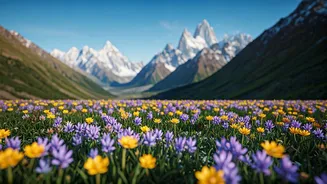
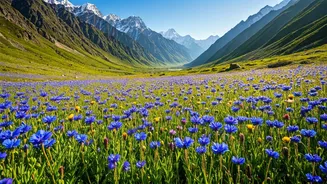
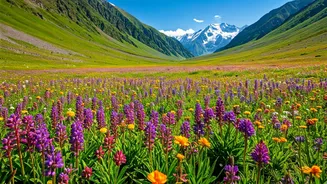
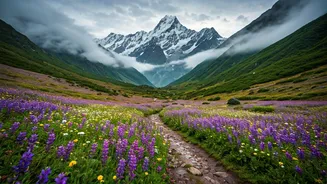
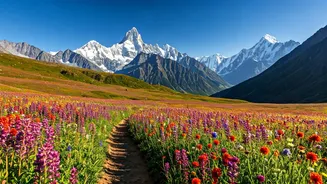
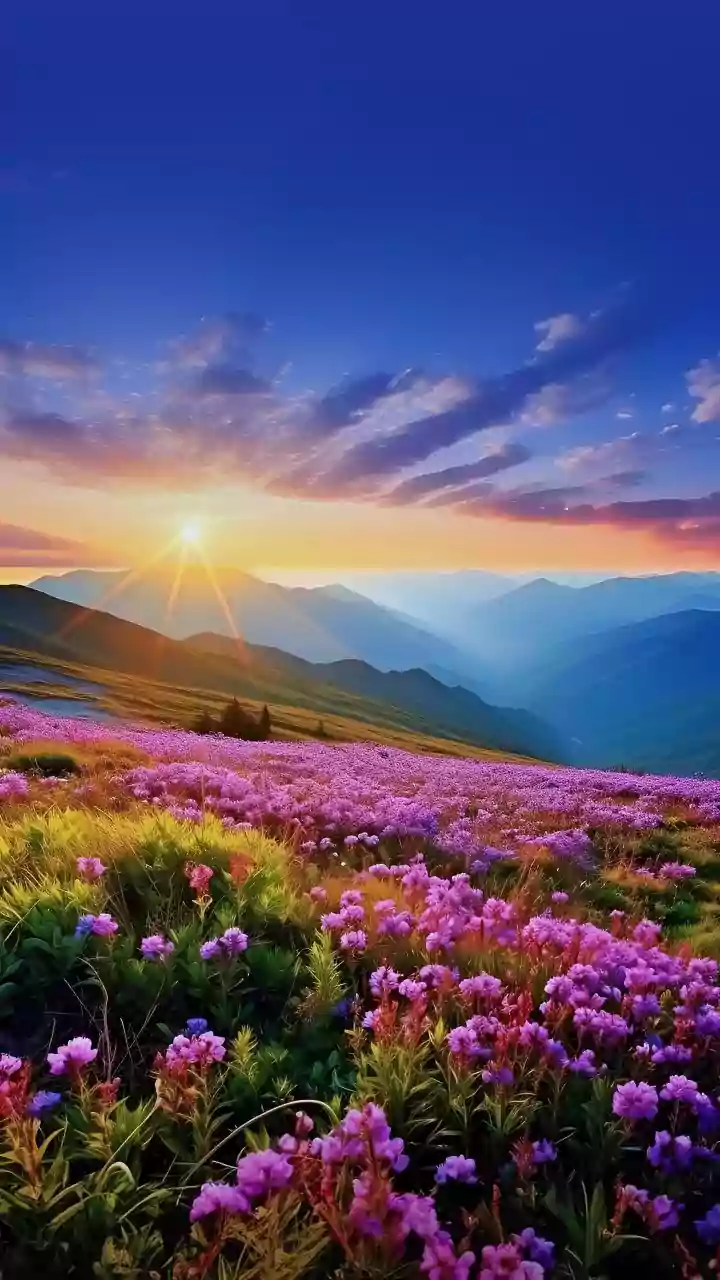
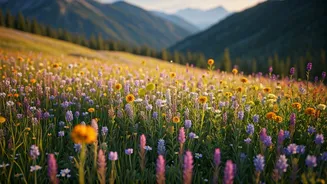
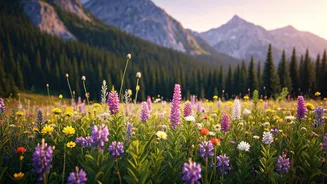
The Valley of Flowers National Park is no ordinary destination. For a few months each year, this glacial corridor transforms into a riot of colour, with over 600 species of flowers, including the elusive blue poppy and the cobra lily. It was discovered
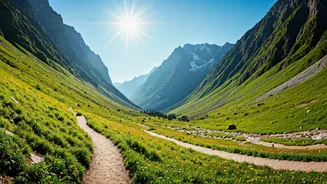
by mountaineer Frank Smith in 1931 and has since captivated botanists, photographers, and adventurers. The trek itself is rated easy to moderate, making it accessible to beginners with good fitness, offering stunning views of waterfalls and snow-capped peaks along the way.
Timing Is Everything for Peak Blooms
The window to see the valley in its full glory is narrow and coincides with the monsoon. The absolute best time is from mid-July to mid-August, when the rains trigger a spectacular mass blooming. Visiting in July means you'll see the blossoms begin to explode, while August offers the highest variety and density of flowers. September brings clearer skies and fewer crowds, but many flowers will have started to fade. The park typically opens on June 1st and closes at the end of October, but outside the core monsoon season, the floral display is significantly reduced.
Mapping Your Journey: From City to Base Camp
The trek to the Valley of Flowers begins long before you hit the trail. The journey typically starts from Rishikesh or Haridwar with a long road trip of about 10-12 hours to reach Joshimath or Govindghat. From Govindghat, a short taxi ride takes you to Pulna, the last motorable point. From Pulna, it's a 9-10 km trek to Ghangaria, the base camp for the trek, which sits at an altitude of around 3,049 metres. This walk takes about 5-6 hours and serves as the first real test of your stamina.
Securing Your Permit and Knowing the Rules
Entry into the Valley of Flowers National Park requires a permit from the Uttarakhand Forest Department. As of 2026, the process has moved online, and it's highly recommended to book in advance, especially during peak season, as there's a daily cap of 300 visitors. The permit fee for Indian citizens is around ₹200 and is valid for three days. You must carry a valid government-issued ID. Remember, camping inside the valley is strictly prohibited; visitors must enter and exit on the same day during designated hours, typically from 7 AM to 2 PM for last entry.
Acclimatise to Avoid Altitude Sickness
Ghangaria, the base camp, is at a significant altitude, and the Valley itself is even higher. A crucial part of your plan should be acclimatization. Rushing the trek can lead to Acute Mountain Sickness (AMS), which can be dangerous. The trek itinerary is designed to allow for gradual ascent. The day trek from Ghangaria to Hemkund Sahib, a nearby high-altitude Sikh pilgrimage site often combined with this trip, involves a steep climb to over 4,200 metres and is particularly strenuous, making proper acclimatization vital. Listen to your body, stay hydrated, and walk at a steady pace.
Pack Smart: Essentials for the Monsoon Trek
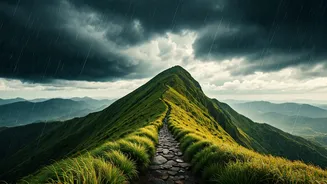
Packing for a monsoon trek requires a focus on staying dry and warm. High-quality waterproof gear is non-negotiable; this includes a poncho or a rain jacket and pants, and a rain cover for your backpack. Choose quick-dry trek pants and t-shirts over cotton, which stays wet. Sturdy, waterproof trekking shoes with good grip are essential for the slippery trails. Other must-haves include a fleece jacket, a light insulated jacket for cold evenings, multiple pairs of socks, a headlamp, a first-aid kit, a power bank, and enough cash, as ATMs are scarce.