



Your Gut: A Thriving Inner World
Imagine your gut not just as a digestive tube, but as a bustling metropolis populated by trillions of microorganisms, including bacteria, viruses, and fungi. This entire ecosystem is known as the gut microbiome. A healthy, thriving microbiome is a diverse
one. Much like a rainforest, a gut with a wide variety of species is more resilient and robust. This diversity is crucial because different microbes perform different jobs, from breaking down food and producing essential vitamins to training your immune system. When the diversity of this internal community dwindles, it can create an imbalance, which has been linked to a range of health issues.
The Fermentation Connection
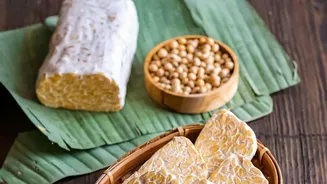
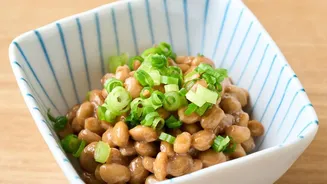
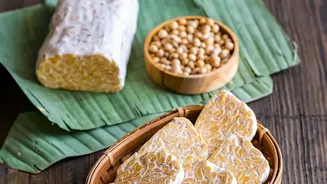
This brings us to fermented foods, which have been staples in diets across the world for centuries, long before we understood the science. In India, staples like dahi (yogurt), dosa, and idli are everyday examples of this culinary tradition. Fermentation is a process where microorganisms like bacteria and yeast break down sugars in food. Originally used for preservation, this process also transforms the food, creating unique flavours and, most importantly, infusing it with live, beneficial microbes. These microbes are often referred to as probiotics.
What the Science Says
The question is, does eating these foods actually make a difference to our internal ecosystem? A landmark 2021 study from the Stanford School of Medicine provided compelling evidence. Researchers found that a 10-week diet rich in fermented foods like yogurt, kefir, kimchi, and kombucha led to a significant increase in microbiome diversity. Participants in the study also showed a decrease in signs of inflammation, a key driver of many chronic diseases. The study highlighted how a simple dietary change can reproducibly remodel the microbiota in healthy adults. This happens because the live microbes in these foods can introduce new, beneficial species to your gut, helping to diversify the population.
Not All Fermented Foods Are Equal
It's important to understand that the benefits lie in the live cultures. Some commercially produced fermented foods are pasteurized or heated after fermentation, which kills the beneficial bacteria. For example, sourdough bread is fermented, but the baking process eliminates the live microbes. When shopping, look for products that state they contain "live and active cultures," especially on items like yogurt, kefir, and sauerkraut. Many traditional Indian foods like homemade dahi, kanji (a fermented carrot drink), and freshly prepared idli or dosa batter are teeming with these live cultures, making them excellent choices.
A Holistic Approach to Gut Health
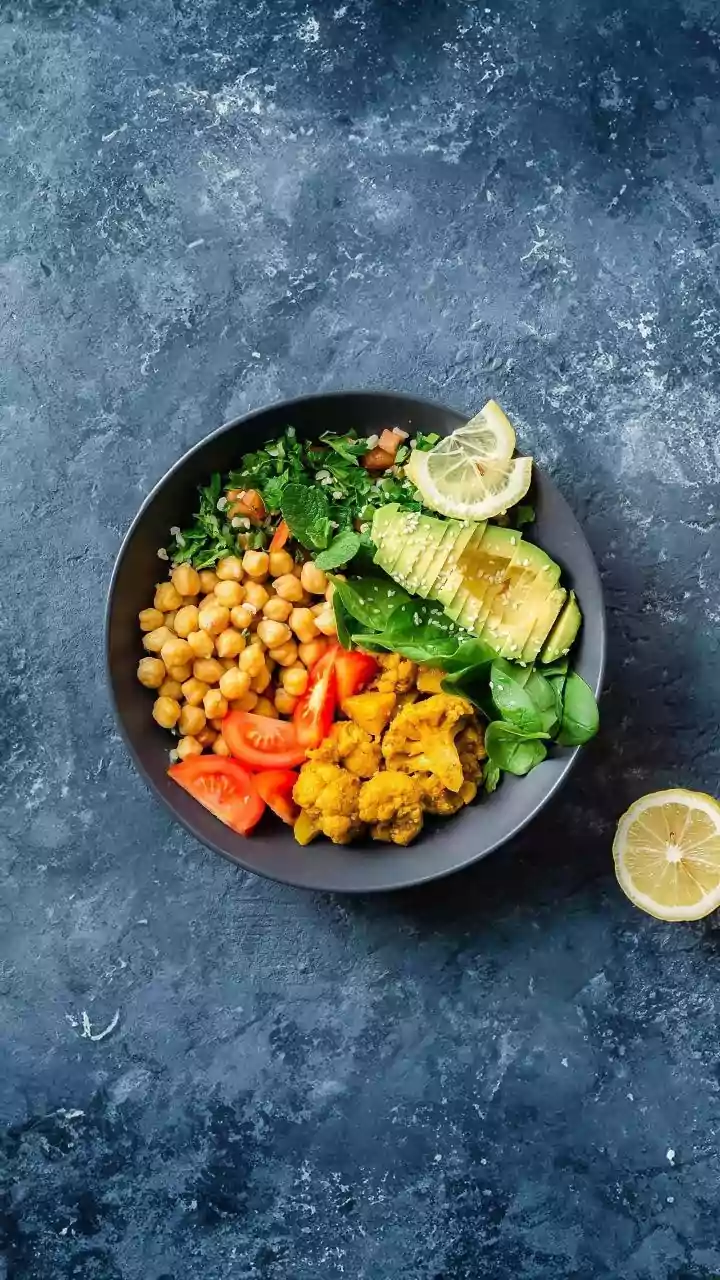
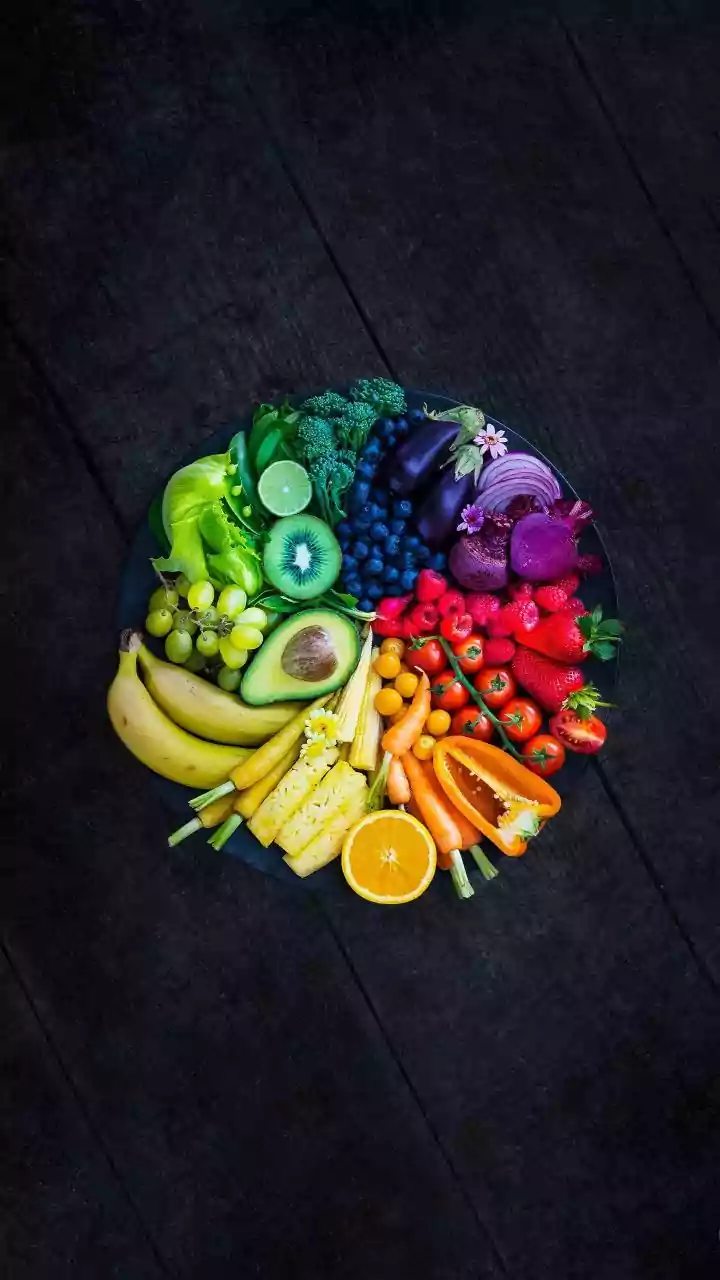
While adding fermented foods is a powerful step, they are not a magic bullet. Think of them as one part of a broader strategy for a healthy gut. The beneficial microbes from fermented foods need to be fed. That’s where fibre comes in. High-fibre foods like fruits, vegetables, legumes, and whole grains act as prebiotics—food for your good gut bacteria. The Stanford study noted that while the fermented food group saw increased diversity, a high-fibre diet group also experienced benefits, suggesting that both play a crucial role. Therefore, pairing your dahi with a vegetable-rich meal or your kimchi with brown rice creates a synergistic effect, nourishing both new and existing microbes. A varied diet rich in different plant fibres and fermented foods is the ultimate goal for a resilient and diverse gut microbiome.