


The Food Capital's Heartbeat
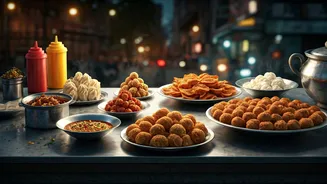
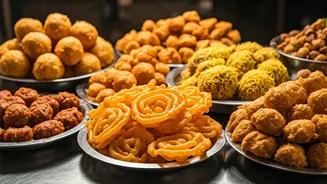
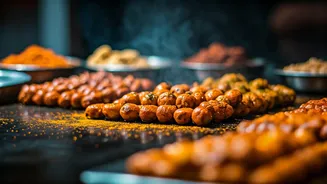
Indore, often celebrated for its pristine streets, holds another, more flavourful title: the food capital of Central India. This city has a restless appetite, a place where the day is measured not by the clock, but by the next meal. While its famous night
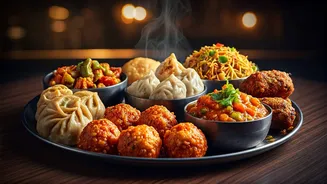
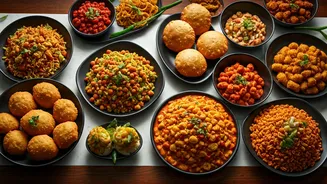
food market, Sarafa Bazaar, and the bustling Chappan Dukan (56 Shops) street are legendary for snacks, the humble thali represents the city's core culinary philosophy: generosity, variety, and incredible value. It’s a complete meal on a platter, a microcosm of the region's diverse culinary influences, from Rajasthani to Gujarati and Maharashtrian. The thali isn't just lunch or dinner; it's an institution that fuels the city.
An Entire Feast on One Plate
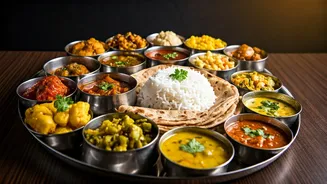
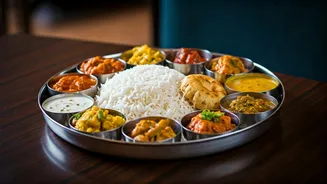
So, what exactly arrives on an Indori thali? It’s a constellation of flavours and textures. Typically, you’ll find a selection of seasonal vegetables (sabzi), a tangy and a sweet dal (lentil curry), and perhaps a special like 'sev tamatar ki sabzi'. A cornerstone of the Malwa region is the 'dal-bafla', a baked wheat ball soaked in ghee and served with dal, which often makes a star appearance. Accompanying this are fluffy phulkas or rotis, a mound of rice, a crunchy side (farsan), salad, and often a simple sweet to finish. The beauty lies in the balance of sweet, salty, and sour notes, a hallmark of the local cuisine that is designed to satisfy every part of your palate.
Value That Defies Belief
Here is where Indore truly becomes hard to ignore. The city is dotted with 'bhojanalayas' (eateries) that serve unlimited thalis for prices that are astonishingly low. It is not uncommon to find simple, wholesome, and unlimited vegetarian thalis for as little as ₹60 to ₹150. Places like Karnawat Bhojnalay have become famous for offering a buffet-style, self-service meal with multiple vegetable dishes, dal, rice, roti, and even a sweet for a price that barely seems feasible. Others, like Shree Nakoda Bhojnalay, offer a slightly more elaborate thali for around ₹140, which might include regional specialities. This isn’t about fine dining; it's about providing clean, hygienic, and hearty home-style food to everyone, from students to office workers.
A Culture of Culinary Generosity
This commitment to affordable, quality food is woven into the fabric of Indore's identity. The city's food culture is an amalgamation of traditions, shaped by the Holkar dynasty who brought Maharashtrian influences, and its history as a trading hub. This has fostered a democratic food scene where delicious food is accessible to all. The famous street food hubs, Sarafa Bazaar and Chappan Dukan, which have been recognized for their hygiene standards, are a testament to this city-wide passion. The same ethos extends to the thali restaurants. It's a culture that believes in feeding people well, a form of hospitality that has become the city's biggest draw, arguably even more so than its historical monuments.